General, quoting & support.
Add: Building E, No.58, Nanchang Road, Xixiang , Baoan District Shenzhen City, Guangdong, China
Tel : 0755-27348887
Fax : 0755-27349876
E-mail : svc@pcbastore.com
Complete Guide to LED PCB: Design, Assembly, Classifications, and Applications
PCBA Store / 2026-05-01
Contents [hide]
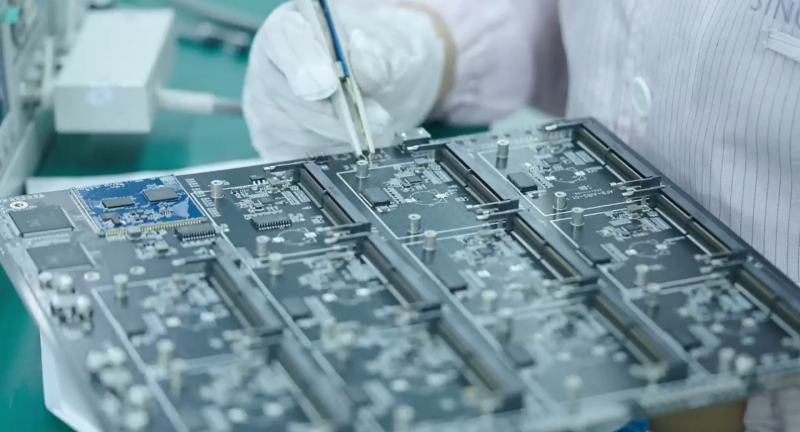
The lighting world has seen a major change with the arrival of Light Emitting Diode (LED) technology. LEDs bring strong energy savings, a long working life, and great design options. As a result, they have pushed aside old incandescent and fluorescent setups. At the center of any good lighting setup is a key base: the LED PCB (Printed Circuit Board). This special board gives the physical support and electrical routes needed to run these effective light sources. If you are building powerful industrial lights or small home devices, you need to know the details of an LED PCB circuit board. As a top maker and worldwide provider, PCBA Store focuses on delivering solid solutions that connect fresh ideas with dependable production.
What is an LED PCB?
An LED PCB is a custom circuit board made just to hold, supply power to, and cool Light Emitting Diodes. Unlike regular boards, an LED circuit board (often a common search term for these components) has to focus on heat control along with electrical links. It works as a guide. It uses copper lines to send carefully controlled current to each diode. This ensures steady light output.
Engineers can directly solder LEDs onto the board, allowing for compact and efficient lighting setups that were previously difficult to achieve. LEDs produce heat while running. So, the board needs to do more than link parts. It must serve as a heat spreader to avoid early part breakdowns.
Key Components of an LED PCB
Every solid LED circuit boards assembly includes several important layers and parts:
· Substrate: The main material that offers structural strength. While FR-4 is common, high-power LEDs usually need metal bases (like aluminum) for better heat dissipation.
· Copper Traces: The "paths" of the board that move electrical current from the power supply to the LEDs.
· Solder Pads: Certain metal spots where the LED ends are joined to the board.
· Solder Mask/Resist: A covering layer that stops short circuits and shields the copper from outside rust.
· Additional Components: To boost lifespan, boards often add resistors, capacitors, and voltage controllers to handle power flow.
Classifications of LED PCB
To pick the right PCB for LED lights, you should understand how they are classified by their physical characteristics and planned applications.
Classification by Material
1. Standard FR-4 PCBs: Made from glass epoxy, these are budget-friendly and fit for low-power signal lights where heat is not a big issue.
2. Metal Core PCBs (MCPCBs): Usually with an aluminum or copper base, these are the top choice for strong lighting. They provide better heat flow, drawing warmth away from the LED chip quickly.
Classification by Application
· LED Strip PCBs: These are typically long, narrow, and can be bendable or stiff. They form the base for mood lighting and style-focused building highlights.
· LED Panel PCBs: A tight grid of LEDs used for big business lighting, like office panels or factory high-bays.
· High Brightness LED (HB LED) PCBs: Custom boards built for intense outputs, often seen in car headlights or sports field lights.
· Backlight Unit (BLU) PCBs: The very thin boards that light up screens in laptops, TVs, and phones.
The Industry Application of LED PCB
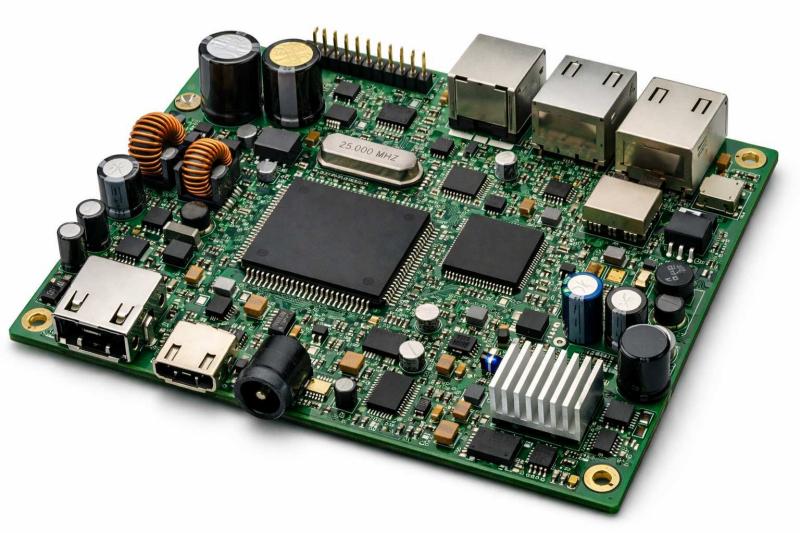
The versatility of the LED PCB circuit board has enabled their use in almost every industry today. It swaps out old tech with brighter, cleaner choices.
General Lighting
From home smart bulbs to large storage lights, LED PCBs have reduced global energy consumption. The chance to add dimming controls and color changes right on the board has changed room setups.
Consumer Electronics
The slim shape of today's devices comes from LED PCBs. They supply the backlighting for keyboards, the signals on household items, and the sharp screens on wearable gadgets.
Automotive Lighting
New cars depend on LED circuit boards for items like adjustable headlights and smooth inside glow lights. These boards have to be very tough to handle shakes and heat shifts common in car settings.
Medical Devices
In medicine, accuracy counts most. LED PCBs run the no-shadow lights in operating rooms and the clear screens on check tools. Here, heat management is key to guarding delicate medical parts.
Display Technology
The huge digital signs in busy spots like Times Square and the video setups in TV studios consist of many linked LED PCBs. These need exact making to keep the color even over the whole screen.
Advantages and Disadvantages of LED PCBs
Advantages
· Improved Efficiency: They cut power waste and boost lumens-per-watt.
· Compact Design: Their slim build allows for a cleaner, nicer product look.
· Durability: As solid-state parts, they resist bumps and shakes well.
· Scalability: You can easily grow a design from a one-diode board to a large multi-board setup.
Disadvantages
· Heat Management: Without a good heat plan, strong LEDs will wear out fast.
· Repair Challenges: Because of the tight SMD parts, fixing one LED often needs expert removal tools.
· Manufacturing Complexity: High-end metal-core boards demand special building steps, unlike basic green boards.
Optimizing Your Design: Key Considerations for High-Performance LED PCBs
To make sure your PCB for LED lights works well over its 50,000-hour rated life, certain design steps must be used.
Thermal Management Strategies
This is the top factor in LED design. We suggest a few methods:
· Thermal Vias: These are tiny, coated holes that move heat from the top layer to the bottom layer or a metal base.
· Copper Planes: Wide spots of thick copper work as heat spreaders. They share the warmth load over the board's face.
· Metal Core Integration: Moving to an aluminum base can raise heat release by a factor of 10 over regular FR-4.
Power Delivery and Driver Circuitry
An LED works best with the right power behind it. Adding the driver setup—including Pulse Width Modulation (PWM) for dimming—keeps the LEDs in their best current range. This stops "thermal runaway."
EMI and Noise Control
LED drivers can create electromagnetic noise. Good ground plans and shielded parts are vital. This is especially true in medical and car uses, where noise can affect other key systems.
PCB LED Assembly Methods: Through-Hole vs. SMD
Through-Hole Assembly
This means putting component wires through holes and soldering them on the other side. It is sturdy. However, it is less used for LEDs now. That is because it uses more room and takes longer to put together.
SMD (Surface-Mount Device) Assembly
SMD is the main way for today's LED circuit boards. Parts are set right on the board's surface.
· Miniaturization: SMD lets you make very small sizes.
· Automated Production: With SMT (Surface Mount Technology), we can build thousands of boards each hour with close accuracy.
· Thermal Performance: SMD LEDs usually have a "thermal pad" on the bottom, which directly connects to the board's heat-release layers.
Call to Action: Partner with PCBA Store for Your LED Manufacturing
To bring your lighting ideas to life, partnering with an experienced manufacturer is essential. We run as a leading maker, provider, and full plant focused on the tough needs of LED tech.
At PCBA Store, we offer a full set of services to move you from idea to big production:
· Advanced PCB Capabilities: From regular FR-4 to special Metal Core (MCPCB) and bendable circuits, we manage the hardest details.
· Precision PCB Assembly: Our latest SMT lines make sure every LED PCB circuit board comes together with exact care. We use automated optical inspection (AOI) to confirm quality.
· Why Choose Us: We mix big-scale making strength with the custom engineering help of a small firm. Our clear costs and focus on strict tests make us stand out worldwide.
· Fast Quoting: Ready to see the difference? Visit our Online Quote Page to get pricing for your project in minutes.
Whether you need a test model for a new LED circuit board design or large runs for a world launch, we bring the know-how and plant space to deliver. Contact us today, and let’s light up the path ahead together.
FAQ
Q1: Why is aluminum commonly used for LED PCBs?
A1: Aluminum gives strong heat flow and is fairly light and cheap. It helps release the heat from high-power LEDs much quicker than usual plastic bases.
Q2: Can I use a standard FR-4 board for my LED project?
A2: Yes, for low-power signals or small groups where heat is low. But for bright uses, FR-4 might cause overheating and a shorter LED life.
Q3: What is the difference between an LED PCB and a regular PCB?
A3: They follow the same basic making steps. However, an LED PCB is tuned for heat dissipation. It often has metal bases, white solder masks for better light bounce, and certain copper amounts to manage higher currents.
Q4: How does solder mask color affect LED performance?
A4: White solder mask is the top pick for LED boards. It bounces light and raises the total brightness of the setup.
You Might Like:



