General, quoting & support.
Add: Building E, No.58, Nanchang Road, Xixiang , Baoan District Shenzhen City, Guangdong, China
Tel : 0755-27348887
Fax : 0755-27349876
E-mail : svc@pcbastore.com

Industrial Control PCBA: Specs Beyond the Schematic
PCBA Store /
Contents [hide]
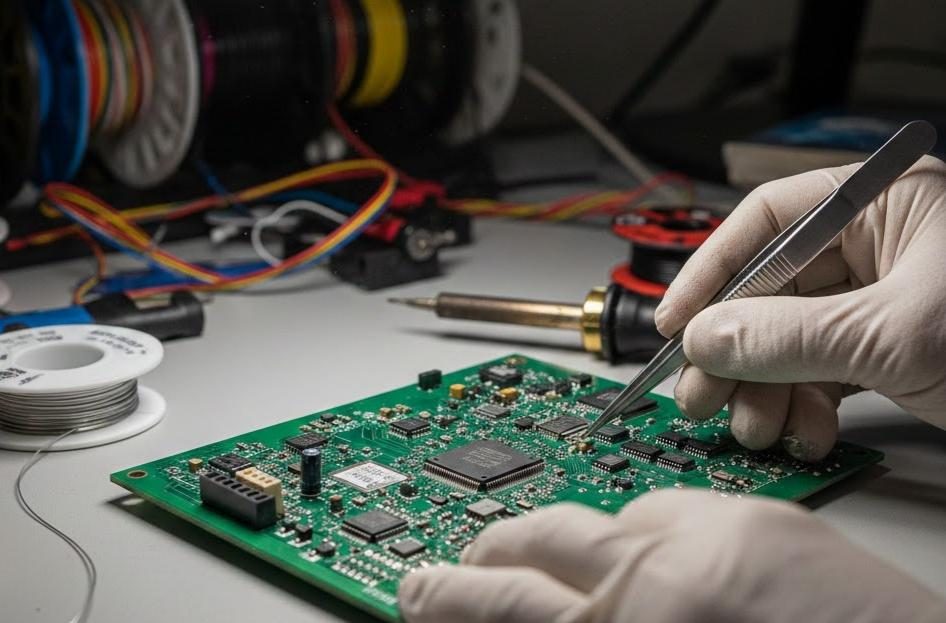
An industrial controller may face heat, humidity, vibration, dust, noise, and maintenance cycles for years. Translate field conditions into material, assembly, inspection, coating, and validation requirements. PCBA Store serves industrial, medical, robotics, AI, and drone programs.
The Schematic Is Only One Input
An industrial controller may face heat, humidity, vibration, dust, noise, and maintenance cycles for years. Translate field conditions into material, assembly, inspection, coating, and validation requirements. PCBA Store serves industrial, medical, robotics, AI, and drone programs.
Define the Environment
State operating and storage temperature, humidity, vibration, shock, contamination, altitude, cleaning exposure, and service life. Identify connectors, relays, power devices, and EMC expectations. industrial control PCBA assembly services This page is relevant to the production route.
Materials and Protection
Material selection may involve FR-4 grade, copper, finish, solder type, temperature rating, and coating. Coating changes rework, inspection, and masking. Potting protects differently and makes repair harder. industrial PCB assembly inspection capability This page is relevant to the production route.
Inspection and Traceability
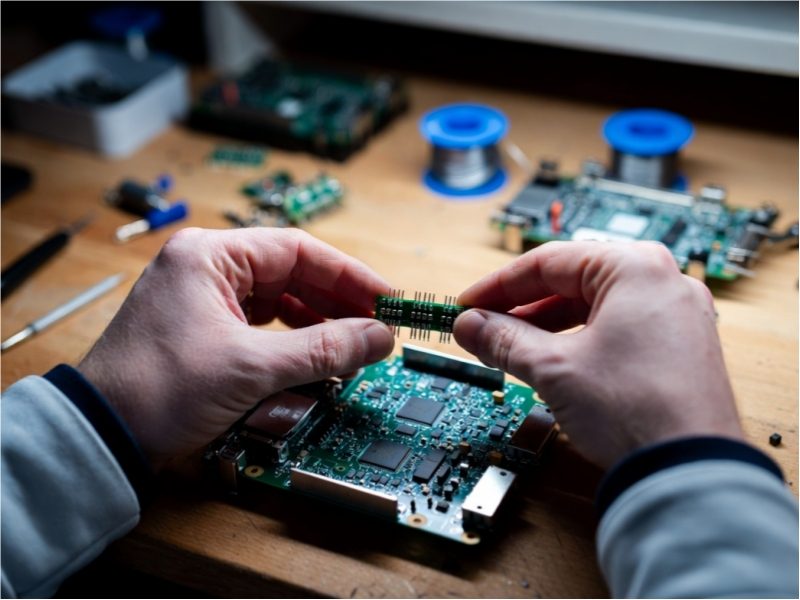
Match inspection to failure modes. AOI reviews visible assembly, X-ray helps hidden joints, and ICT or functional testing verifies electrical behavior. PCBA Store provides these options for a product-specific plan.
Include the environment profile, critical requirements, drawing revision, BOM lifecycle notes, inspection gates, and evidence required at release. Ask the supplier to list assumptions.
Implementation Checklist
This checklist keeps the technical decision connected to the commercial handoff:
· Lock the board revision, assembly side count, and intended volume before requesting a production quotation.
· List critical footprints, fine pitch parts, BGA or QFN packages, and hidden joints that need a defined inspection method.
· State environmental, electrical, storage, and service requirements in the same package as the BOM and fabrication files.
· Separate target values from acceptance limits so the supplier can quote the process and the quality team can approve it.
· Ask how engineering changes, component substitutions, and first article approvals are recorded across the build.
· Review the first production data by defect type, lot, and revision before increasing volume or releasing a repeat order.
· Confirm the approved PCB material, copper weight, surface finish, and layer construction before release.
· Check the panel drawing, fiducials, tooling holes, rails, and depanelization method with the assembly partner.
· State the paste alloy, cleaning expectation, and soldering profile limits for leaded or lead-free work.
· Identify components that need moisture handling, dry packing, baking, or special storage before placement.
· Define how shortages, substitutions, and partial kits are communicated and approved.
· Record the inspection output required at SPI, AOI, X-ray, ICT, and functional test stages.
· Agree on sample retention, lot labels, and the traceability fields needed for field analysis.
· Review the first article against the latest drawing, BOM, centroid file, and firmware or test configuration.
· Separate prototype learning from production acceptance so temporary fixes do not become permanent criteria.
· Use a defect Pareto to prioritize corrective action rather than reacting to the most recent symptom.
· Track rework separately from first-pass output so yield comparisons remain meaningful.
· Ask which data is retained after shipment and how long it remains available to the program team.
· Include expected annual demand and variant count when comparing automation or tooling options.
· Check that the quotation names exclusions such as test fixtures, programming, coating, or special packaging.
· Set an owner for each open engineering question before the order is released.
· Review lifecycle risk for single-source parts before committing to a long production forecast.
· Document the environmental profile for industrial, medical, robotics, AI, or drone equipment.
· Confirm the acceptance limit for critical dimensions, solder joints, electrical tests, and cosmetic conditions.
· Schedule a post-build review before increasing volume or approving a repeat order.
· Confirm the shipping pack, labels, and moisture barrier before the lot leaves the factory.
· Review any special programming, firmware loading, or calibration step as part of the order scope.
· Keep the approved change log with the manufacturing package so every revision has one source of truth.
· Ask how nonconforming boards are segregated, recorded, and dispositioned.
· Link the final report to the lot number so production evidence remains searchable after delivery.
· Review repeat-order assumptions before every new release because components and files can change.
· Confirm the approved packaging and labeling before shipment to reduce receiving errors.
· Keep the approved test configuration with the production files for repeatability.
· Close the open actions from the first build before approving the next lot.
· Keep a short list of open questions and close each item before production release.
· Compare actual process data with the original quotation assumptions after the first lot.
· Use the lessons from the first build to improve the next revision and its acceptance plan.
Key terms: industrial control pcba, industrial pcb assembly, industrial pcba supplier.

Buyer Questions
What evidence will prove that the selected process meets the board risk? Define the report, sample size, and approval owner before the build starts.
Supplier Handoff
Which inputs remain open? A clear list of missing files, assumptions, and decisions prevents a fast quote from becoming a slow production change.
Input | Why it matters |
PCB files and BOM | Defines the build and sourcing scope |
Acceptance criteria | Defines what must be checked before release |
Prepare the Next Step
Send the board files, BOM, expected volume, and acceptance criteria so China PCBA production for industrial electronics can respond with a useful quotation.
For a product-specific review, contact PCBA Store before the next design gate.
FAQ
What should a buyer define first?
Define the board use case, volume, files, critical risks, and acceptance criteria before comparing prices.
Can the process be changed after quoting?
Yes, but material or process changes should be reviewed against the drawing, BOM, and quality plan.
Which inspection is best?
The right method depends on the failure mode. SPI, AOI, X-ray, ICT, and functional tests answer different questions.
How should a prototype become production?
Freeze revisions, validate the process, and carry the same acceptance logic into the next build.
Can PCBA Store review this project?
Yes. Share the PCB files, BOM, centroid data, expected volume, and requirements with PCBA Store.
Previous article:Drone Flight Controller PCB EMI Control



