General, quoting & support.
Add: Building E, No.58, Nanchang Road, Xixiang , Baoan District Shenzhen City, Guangdong, China
Tel : 0755-27348887
Fax : 0755-27349876
E-mail : svc@pcbastore.com

What Sets the Schedule for Box Build Assembly?
PCBA Store / 2026-10-27
Contents [hide]
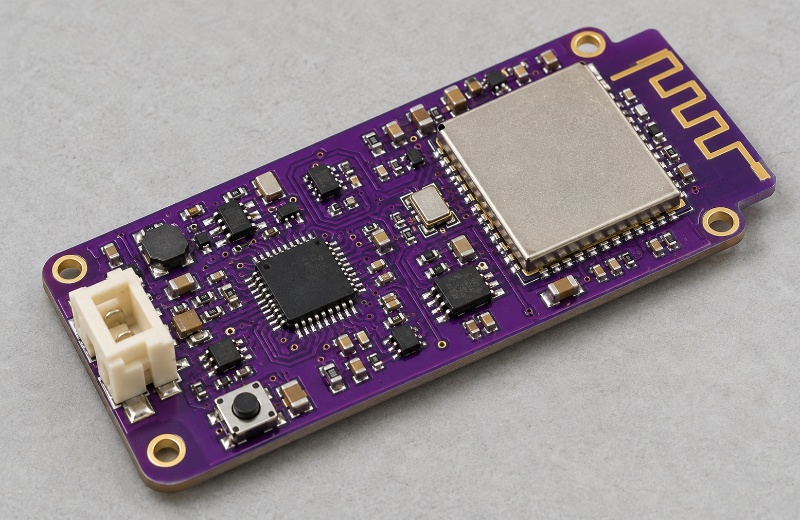
The date on a completed PCBA tells an OEM less about box build delivery than it might appear. Is the housing ready to receive it? Has anyone checked the cable set against the released connector positions? Can the test station accept the programmed unit? These are separate pieces of work, with their own dates. Putting them together reveals where the shipment is likely to wait and where an earlier decision could still help.
The Integration Date Has Several Predecessors
The integration bill of materials extends beyond the board. Housings, brackets, cables, power supplies, and programmed devices all have to match the intended revision. A part delivered against an obsolete drawing can delay the same operation as a shortage, so readiness includes compatibility.
Enclosure work and test preparation can proceed while boards are assembled. Show their progress beside the PCBA branch and give them a common integration milestone. This preserves the time saved by the overlap without hiding the point where the branches must meet.
A simple example shows where expediting can stop helping. Suppose the boards and harnesses are available on Tuesday, but the housings are due Friday. If the next job is mounting those boards, another day saved on PCBA production has no effect on that operation. Investigate the housing date, or identify preparatory work that can usefully occupy the gap.
A percentage-complete figure hides the dependency. “Nearly all parts received” is not useful if the absent item is needed next. In box build assembly planning, attach the shortage to the operation it blocks. The schedule then names an issue that someone can act on.
Readiness Gate | Evidence Needed | Next Operation at Risk |
Mechanical fit | Correct housing, mounting parts, and revision | Board installation and closure |
Cable interface | Approved pinout, connectors, and lengths | Wiring and connection checks |
PCBA release | Correct board revision and agreed test status | System integration |
Firmware release | Controlled image and programming method | Configuration and functional test |
Test readiness | Working fixture, limits, and procedure | Acceptance and shipment release |

Fit and Access Determine the Assembly Sequence
Receiving an enclosure is not the end of the mechanical question. Check the revision, cutouts, mounting points, finish, and hardware for this unit. A lid that catches a connector still stops installation. Put any required fit check on the schedule as its own readiness step.
Prototype Housings Need a Visible Handoff
A temporary housing can help engineers check cable routing or board access before production parts arrive. It does not prove that the production housing will fit. Record the differences and identify the first check that requires the final part. Otherwise, a useful prototype exercise can be mistaken for completion of mechanical validation.
The enclosure route changes which dates need watching. Custom work can depend on drawing approval; a standard housing can still be waiting for machining or accessories. Confirm which enclosure work is actually included in the contracted scope. Settle the mechanical work for the particular unit before using its dates in a shipment commitment.
Harness Work Depends on a Stable Interface
Cable revisions follow the interfaces they serve. A moved board connector may require a different length even when the pinout stays the same. Review the change with the harness and enclosure teams while routing, labels, and strain relief can still be adjusted.
Installation order matters where access is tight. An underside connector may need its cable before the board is fastened into the housing. A cover can hide a programming header. Walk through the physical sequence and place each operation while its interface remains accessible.
The board process feeds into box build manufacturing schedules at an agreed handoff. “Soldering finished” may still leave a test or release decision open. Tell the integration team when the board is available for its next operation, and distinguish that date from the end of the soldering process.
Firmware Can Become the Last Missing Part
Firmware is a production input when a unit needs programming before acceptance. Development can continue alongside hardware work, but the build eventually needs a controlled image and a repeatable loading method. “The software is nearly ready” does not identify what an operator should load into the next unit.
Choose the programming point to suit the build. Preprogrammed devices put the image deadline earlier; loading during assembly gives a different handoff. Some assemblers offer programming during assembly, while others expect preprogrammed devices. For the planned route, establish when the image has to be released and how the operator will identify the approved version.
Configuration can require its own record. If units receive different settings or identifiers, define how the correct values are assigned and verified. A functional result without a reliable software-version record makes later fault investigation harder. The build record should connect the unit to the image and configuration actually tested.
Late firmware changes need an impact decision. Some may require only reprogramming; others may change the test procedure or require retesting completed units. Record the affected units and the work required before updating the ship date. Treating all software changes as negligible can conceal a substantial queue at final test.
A Closed Enclosure Still Has to Pass Acceptance
Test-station preparation deserves an early trial. Connect the intended power supply and communications, load the procedure, and exercise the fixture before the batch arrives. A problem found then is a development task; found when units are queued at the station, it becomes a production delay.
The scope of box build electronics testing must reach the assembled product. AOI and X-ray address particular board-assembly questions. They do not tell you that the installed harness, loaded firmware, and finished unit perform the agreed functions. Define the checks that occur after those items have come together.
Failed units need somewhere to go in the plan. Who diagnoses them, who approves rework, and when are they tested again? Agree the required records and decision owner. Without that route, a small number of unresolved failures can remain beside the test station while the tracker describes the batch as assembled.
Before integration, review these handoffs together:
· PCBA, enclosure, harness, and firmware revisions agree.
· Required hardware is available for the intended quantity.
· Programming and test access remain available in the build sequence.
· The fixture and procedure are ready for the released product.
· Failed units have a defined diagnosis and retest route.
A Schedule Built Around Readiness
The schedule becomes credible when each operation has its required input. Put parallel work beside the assembly sequence and mark the convergence points. If a housing or firmware date changes, trace the effect through the remaining operations to see whether the shipment date moves.
To discuss a complete unit's assembly schedule, contact us with the system configuration, required shipment date, and the dependencies that remain open.
FAQ
Does PCBA Completion Mean a Box Build Can Ship?
No. The board-complete date covers one part of the work. Use the finished unit's acceptance and dispatch milestones to judge shipment readiness.
Can Enclosure Production Run Alongside PCB Assembly?
Yes, when the interfaces and revisions are sufficiently stable. Final integration still waits for the required compatible parts.
What Usually Controls the Box Build Schedule?
Identify the blocked operation and ask what it is waiting for. That answer is more useful than assuming PCBA production always determines the date.
Must Firmware Be Finished Before Assembly Begins?
Hardware work can sometimes begin while development continues. Put a firm image-release milestone before programming and acceptance, and confirm that the chosen sequence still leaves the necessary access.
Why Include Test Fixtures in the Production Plan?
Finished units otherwise have to wait while the station is made usable. Trial the fixture and procedure early enough to resolve problems before the batch reaches final acceptance.
Previous article:PCB Ground Plane Design and Return Paths



