General, quoting & support.
Add: Building E, No.58, Nanchang Road, Xixiang , Baoan District Shenzhen City, Guangdong, China
Tel : 0755-27348887
Fax : 0755-27349876
E-mail : svc@pcbastore.com

A Complete Guide to PCB Assembly Equipment and Its Importance in Production
PCBA Store / 2026-04-16
Contents [hide]
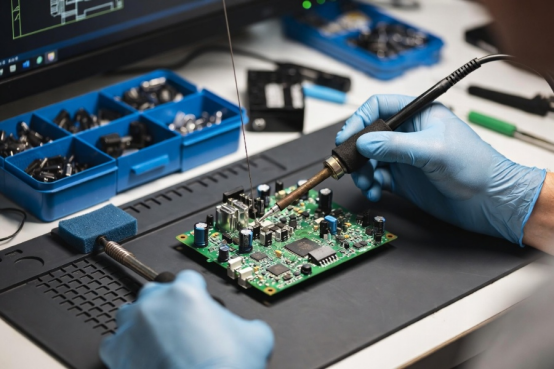
In the quickly changing field of electronics, moving from a basic circuit idea to a real, well-working gadget takes a lot of steps. This step is called Printed Circuit Board Assembly (PCBA). A plain PCB is just a non-conducting base with copper lines. But PCBA brings life to today's tech. It adds microprocessors, capacitors, and resistors to these boards. These parts drive items from phones to health scanners. As the field moves to smaller sizes and quicker speeds, the job of advanced PCB assembly equipment becomes key. Turning a plan into a working item needs a mix of exact tools, skilled work, and a focus on standards. Only a focused PCBA company can offer that. This is where the skills of a solid ally like PCBA Store come in. They make sure each solder link and part spot fits the strict needs of the world market.
Understanding PCB Assembly
To grasp the details of the making area, you first need to tell apart a plain PCB from a filled setup. A plain PCB is the "frame"—a basic build of glass fiber and copper. PCBA is the "nerve setup," where parts join to form a useful circuit. This joining usually occurs via two main ways: SMT PCB assembly (Surface Mount Technology) and through-hole setup.
PCB assembly products mostly use SMT as the common way now. It lets small parts sit right on the board's face. This saves room and boosts work. Through-hole way, on the other hand, puts part wires into drilled spots. It gives a stronger body tie for parts that face physical strain or big power needs.
For firms wanting to smooth their supply path, full turnkey PCB services stand as the top choice. This method handles all from part finding and PCB building to setup and checks. If you seek a PCB assembly prototype to check a fresh plan or a huge production batch, knowing these tech points is the initial move in picking the best PCBA provider.
Core PCB Assembly Equipment and Its Functions
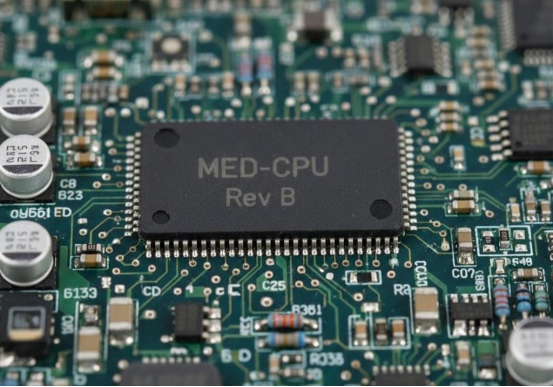
The main part of any PCBA supplier's site is the SMT line. Current making lines show the wonders of auto work. Several tools run together in step to hit tiny-level exactness.
Solder Paste Printers
The steps start with the Solder Paste Printer. Before one part goes on, a steel frame lines up with the PCB. The tool spreads solder paste—a blend of small solder bits and flux—over the spots. The rightness here counts a lot. If the paste shifts by just a bit of a millimeter, it may cause solder links or "tombstoning" in the heat step.
Pick-and-Place Machines
This tool leads the setup line. It uses fast tips and smart sight setups. The pick-and-place tool grabs parts from holders and sets them on the paste spots. Top PCB assembly equipment can set over 50,000 parts each hour (CPH). It manages bits as tiny as the 01005 metric size.
Reflow Ovens and Wave Soldering
After parts stick via the damp solder paste, the board goes into the reflow oven. This tool has many heat areas. They slowly warm the board until the solder melts. Then it forms a lasting body and power tie. For boards with through-hole parts, a wave soldering tool works. Here, the board's bottom moves over a liquid "wave" of solder.
Automated Inspection Systems (AOI and SPI)
Standard checks fit right into the line, not just at the close.
· Solder Paste Inspection (SPI): Looks at the amount and line of paste right after spreading.
· Automated Optical Inspection (AOI): Uses clear cameras to check part spots, side, and solder tie strength after heat.
Solder Paste Printer | Precise application of solder medium | Prevents shorts and open circuits |
Pick-and-Place | High-speed component mounting | Ensures alignment and density |
Reflow Oven | Controlled thermal bonding | Determines joint strength and reliability |
AOI/X-Ray | Visual and structural verification | Catches defects before shipment |
Benefits of Automated PCB Assembly Equipment
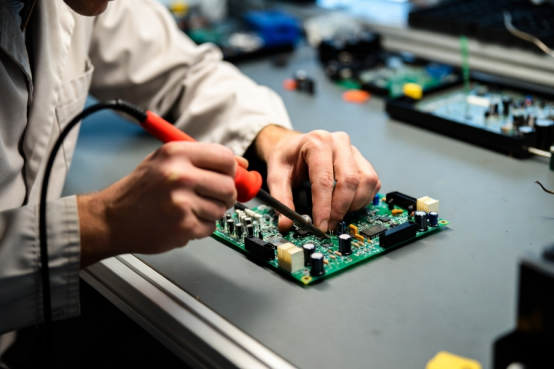
Switching from hand setup to full auto lines has changed what a PCBA supplier can give. Hand soldering causes worker tiredness and uneven work. But auto work brings steady repeats. This matters for steady fields like air travel or car making.
For China PCB assembly tasks, automation is the way to grow. It lets plants keep high output while holding costs low. By using strong PCB assembly equipment, makers cut the "scrap rate"—the share of boards that miss checks. This brings quicker finish times. Plus, it makes sure that when you get your PCB assembly products, each one works just like the sample.
Choosing the Right PCBA Partner
Picking a PCBA provider ranks as one of the top choices an OEM (Original Equipment Manufacturer) can take. A real PCB assembly flexible ally handles "high-mix, low-volume" wants of a new firm as well as "low-mix, high-volume" needs of a big name.
One early thing to check is openness and quickness. Current PCBA suppliers should give a PCB assembly quote online tool. These sites let tech workers upload their Bill of Materials (BOM) and Gerber files. Then they get a fast price and DFM (Design for Manufacturing) input. This online tie cuts the "quote-to-order" time from days to minutes. Also, a full turnkey PCB services ally removes supply pains. They manage the tricky net of part finding so you can stick to new item ideas.
From Prototype to Production
Needs for a PCB assembly prototype vary a lot from big production. Sample making focuses on speed and proof. It lets tech workers test plans, spot issues, and change fast. Tools on a sample line often fit quick starts and often shifts.
Big making lines, though, fit for smooth work and "uptime." When going from a sample to a full batch, a skilled PCBA company runs a "Pilot Run" to adjust tool settings. This makes the shift from a few boards to thousands easy. It also keeps standards steady over the item's life.
Global Production and China’s Role
For years, PCB manufacturing and assembly China has stood as the world center for electronics. This goes beyond work costs. It ties to the setup. In spots like Shenzhen, the full supply path—from raw copper sheets to special tiny chips—sits within short drives.
This nearness lets a PCBA supplier in China find parts more quickly. They also handle plan shifts more easily than other places. When you add this setup to the newest PCB assembly equipment, you get a strong making power. It gives a top mix of cost, quickness, and tech skill.
Conclusion
The exactness and smooth work of current electronic gadgets show straight from the PCB assembly equipment in their build. From the first solder paste spread to the last auto check, each step needs perfect rightness. For firms set to stay strong, teaming with a trusted PCBA supplier who gives PCB assembly flexible fixes is not a choice anymore. It is a key plan. PCBA Store stays ahead in this field. We mix top tech with pro skills to make your tough plans real.
Ready to bring your project to life? Get an instant [PCB assembly quote online] today and experience the precision of PCBA Store.
Frequently Asked Questions
What is the difference between SMT and Through-Hole assembly?
SMT (Surface Mount Technology) means setting parts right on the PCB face. This fits high-pack, small electronics. Through-Hole setup means running part wires through board holes. It gives a firmer body tie for heavy parts or those under a big strain. Most current PCBA providers use a blend of both.
How does a full turnkey PCB service save time and money?
A full turnkey PCB services ally runs the whole flow: PCB build, part buying, setup, and tests. This cuts the need to link many sellers. It lowers shipping costs between sites. It also stops waits from parts that lack, as the ally handles all supply tasks.
Can I get a quote for my PCB assembly project quickly?
Yes. Top PCBA suppliers now give a PCB assembly quote online through online sites. By sending your Gerber files and Bill of Materials (BOM), you get a fast guess. It covers work and part costs. This speeds up the plan stage a lot.
Why should I consider China for PCB manufacturing and assembly?
PCB manufacturing and assembly China brings a special mix of a growing supply path, tech setups, and a large group of tech skills. This leads to quicker part finding and better prices. It works well for PCB assembly flexible tasks that grow from samples to big runs.
What quality standards should I look for in a PCBA supplier?
A solid PCBA company should have papers like ISO 9001 for basic standard care. It may also have ISO 13485 for health tools or IATF 16949 for cars. Plus, they should use strong PCB assembly equipment such as AOI, SPI, and X-ray checks. This makes sure each solder tie hits IPC rules.



