General, quoting & support.
Add: Building E, No.58, Nanchang Road, Xixiang , Baoan District Shenzhen City, Guangdong, China
Tel : 0755-27348887
Fax : 0755-27349876
E-mail : svc@pcbastore.com
Insider's Guide to Navigating Box Build PCBA Projects
PCBA Store / 2026-01-08
Contents [hide]
Insider's Guide to Navigating Box Build PCBA Projects
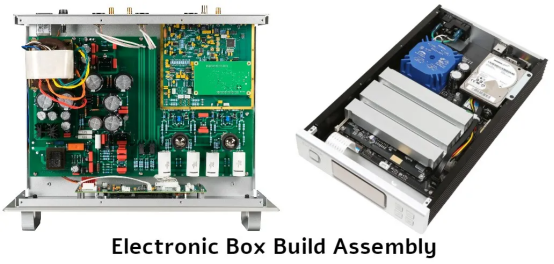
Box build assembly stands as one of the top services in today's electronics manufacturing. It helps companies move smoothly from single printed circuit board assemblies (PCBAs) to full, ready-to-sell electronic products. This all-in-one method covers putting a done PCBA into its case. It also adds wire harnesses, connectors, mechanical sub-assemblies, displays, fans, batteries, and other key parts to create a working device.
As a direct manufacturer, supplier, and factory in Shenzhen, China, PCBA Store provides full turnkey solutions. These include PCB fabrication, component sourcing, skilled assembly, and box build integration. The company supports projects from quick prototypes to large-scale production. It draws on more than 16 years in PCB manufacturing and 8 years in assembly.
Understanding Box Build Assembly
Box build assembly finishes the manufacturing process. It turns lone PCBAs into working systems inside cases. The steps follow a clear order. This order fits many fields like consumer electronics, medical devices, industrial controls, automotive, telecommunications, and robotics.
1. Component Procurement Teams source all items from the BOM. This covers electronic components, enclosures, fasteners, cables, connectors, thermal solutions, and mechanical hardware. Right sourcing stops delays. It also guarantees fit.
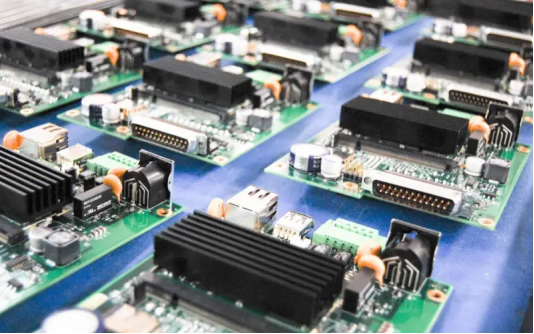
2. PCB Assembly Workers mount components on bare boards. They use Surface Mount Technology (SMT), Through-Hole Technology (THT), or a mix. PCBA Store handles fine-pitch components (down to 0.4mm pitch). It works with packages like 0201/01005 passives, BGAs, QFNs, QFPs. Board sizes go from 5mm x 5mm to 1200mm x 400mm. Rigid, flex, and rigid-flex boards fit well. Soldering meets lead-free/RoHS standards.
3. System Integration The built PCBA goes into the enclosure. It uses screws, clips, or adhesives. ESD protection stays in place. Wiring harnesses link interfaces. Sub-assemblies join up. Parts like displays, fans, or heat sinks attach. This part needs care. It ensures good alignment, heat control, and solid structure.
4. Testing Various checks prove reliability. These involve automated optical inspection (AOI), X-ray for hidden joints (BGAs/CSPs), in-circuit testing (ICT), functional circuit testing (FCT), and visual reviews. Environmental tests and custom steps match specs and rules like IPC-A-610F.
5. Packaging Finished products get safe wrapping. Labels add specs, instructions, and safety notes. Units prepare for worldwide shipping through trusted carriers.
Box builds vary in size. Small cases suit wearables and medical tools. Large cabinets fit industrial gear. Levels of detail differ too. Some stay simple. Others handle many PCBAs, thick wiring, and special mechanical needs.
Requirements: Why It’s Important to Discuss Them
Box build projects succeed through open talks about needs at the start. Main points cover:
· Bill of Materials (BOM) — Full lists with part numbers, descriptions, quantities, manufacturers, and backups. These aid sourcing and block wrong swaps.
· Assembly Drawings and Instructions — 2D diagrams, 3D CAD models, or clear guides. They note placement, torque levels, cable paths, and fit limits.
· Regulatory Compliance Requirements — Info on rules like RoHS, CE, FCC, UL, or field-specific ones (e.g., ISO for medical). These build checks into all production steps.
· Lead Times and Scheduling — Dates for prototypes (as fast as 8-48 hours express), pilot runs, or mass production. They match market needs.
· Test Procedures — Full directions on test points, expected outcomes, pass/fail rules, needed tools, and special gear.
Sharing these items early leads to spot-on quotes. It spots ways to improve. It cuts changes and matches hopes with results.
The Role of Your Bill of Materials (BOM)
The BOM acts as the base paper for each box build project. It shapes:
1. Purchasing and Inventory Management — It guides buying to keep stock just right. This cuts shortages and holds costs down via top suppliers.
2. Production Planning and Scheduling — It weighs component wait times. Thus, it sets real schedules and skips jams.
3. Cost Calculation — It gives fine details for exact budgets. This includes part prices, labor, and extras.
4. Quality Assurance — It serves as a guide in assembly to check right parts. It helps fix issues at the part level.
5. Consistency and Communication — It makes sure all team members—from engineers to builders—use the same details. This boosts repeat results over batches.
A well-kept BOM boosts tracking. It aids later changes. It helps steady long-term production.
Achieving the Right Dimension
Exact sizes, weights, and limits form key inputs for box build work. Clear data allows:
· Production Feasibility Assessment — It spots needed tools, holders, or steps for certain sizes or weights.
· Cost Estimation Accuracy — It affects material use, work effort, packing needs, and ship costs.
· Logistics Optimization — It shapes storage, handling, and transport plans. This lowers risks and expenses.
· Seamless Integration — It stops fit problems, like tight spaces or off-center mounts. It avoids pricey fixes.
Sending CAD files or full specs soon lets makers note issues and offer tweaks.
Testing and Inspection Techniques
Deep testing supports product trust and sales fit. Basic methods cover AOI for solder and spot flaws, X-ray for inner joint strength, ICT for power flow, FCT for work checks, and environmental stress tests. Tailored tests meet special needs or rules. Spotting flaws early saves effort. It proves rules match. It checks lasting power. It guards brand trust. It also trims total costs.
Having Samples and Prototypes Is Essential
Prototypes and early samples check design ideas in real form. They show fit hurdles. They allow work fixes. They back rule tests. They uncover ways to cut costs. They collect first user views. For tough box builds, prototypes check case match, wire paths, and heat work before big runs.
Packaging, Labeling, and Shipping
Smart plans for end steps boost flow and rule fit. Made-to-order packing cuts space use and transit harm. Labels share vital facts right—tech details, use tips, alerts, and track codes. Early choices smooth shipping. They ensure timely arrivals. They lift user joy.
Conclusion
Box build PCBA projects offer a smooth, cheap route to done electronic products. They group fabrication, assembly, joining, testing, and packing with one team. Wins rely on full prep in BOMs, drawings, sizes, test plans, prototypes, and shipping. This cuts time to market. It simplifies supply chains. It lifts quality watch.
PCBA Store, as a focused manufacturer, supplier, and factory, brings these skills. It uses advanced SMT/THT lines, full sourcing, ISO9001 rules, no MOQ needs, quick online quotes, free engineering looks, and fast world delivery.
FAQ
What does box build assembly include?
Box build assembly integrates a completed PCBA into an enclosure with wire harnesses, connectors, mechanical parts, displays, thermal solutions, and other elements to produce a fully functional, ready-to-use electronic product.
What industries benefit most from box build services?
Industries such as medical devices, industrial controls, consumer electronics, automotive, telecommunications, and robotics gain significant advantages from box build due to the need for complete, tested systems rather than standalone boards.
What files are required to start a box build project quote?
Typical requirements include Gerber files, BOM, assembly drawings (2D/3D), test procedures, enclosure specifications, regulatory details, and desired quantities/lead times. Additional files like firmware or CAD models improve accuracy.
How does box build differ from standard PCBA?
Standard PCBA focuses on component mounting and board-level testing, whereas box build extends to full system-level integration, enclosure fitting, wiring, final functional verification, and packaging for shipment.
What testing methods are commonly used in box builds?
Common methods include AOI, X-ray inspection, ICT, FCT, visual inspections, and custom functional/environmental tests to verify performance, safety, and compliance.
Start Your Box Build PCBA Project with PCBA Store Today
PCBA Store operates as a full-service manufacturer, supplier, and factory in Shenzhen, delivering end-to-end solutions including PCB fabrication (up to 40 layers, HDI, rigid-flex), turnkey component sourcing, SMT/THT/mixed assembly, advanced testing (AOI, X-ray, ICT, FCT), and complete box build integration.
With no minimum order quantity, no setup or NRE charges, competitive direct pricing, free DFM/engineering reviews, 99%+ on-time delivery, ISO9001 certification, and express options (as fast as 8-48 hours for assembly), PCBA Store simplifies complex projects for global clients.
Obtain an instant online quote by uploading files at the website, or email Gerber/BOM details to svc@pcbastore.com for personalized support. Contact PCBA Store now to discuss requirements, receive expert guidance, and accelerate production of high-quality box build products.
You Might Like:
A Closer Look at the PCB Plated Through-Hole Process
Latest Trends in PCBA Manufacturing and Assembly Technologies at PCBA Store
PCB Basic Design Rules and Tips
A Comprehensive Guide to BGA Assembly in SMT PCB Manufacturing: Step-by-Step Breakdown



