General, quoting & support.
Add: Building E, No.58, Nanchang Road, Xixiang , Baoan District Shenzhen City, Guangdong, China
Tel : 0755-27348887
Fax : 0755-27349876
E-mail : svc@pcbastore.com

PCBA Manufacturing Process: Full-Step Guide to PCB Assembly, Testing & Delivery
PCBA Store / 2026-02-05
Contents [hide]
What is PCBA manufacturing? It covers the full job of putting electronic parts on a printed circuit board (PCB). This creates a working PCBA board. The PCBA process includes careful stages. These go from getting PCBA components to last checks and shipping. All this makes sure modern electronics stay dependable. As a focused PCBA manufacturer, supplier, and factory, we at PCBA Store use our skills in Shenzhen. We provide full-service options that fit IPC standards and what customers need.
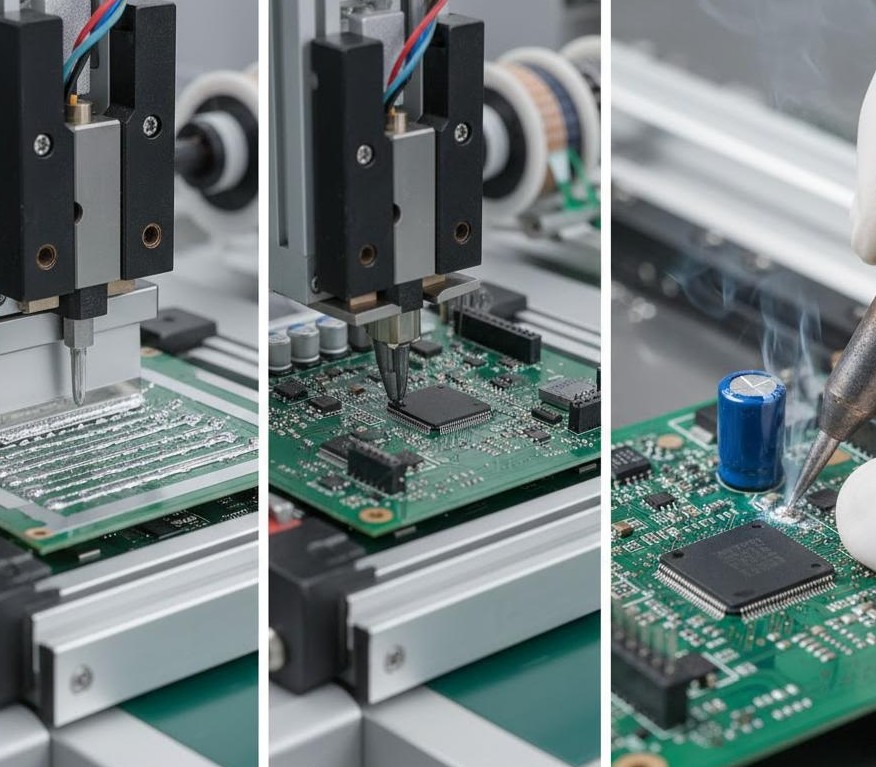
Full-Step Guide
Step 1. Component Procurement
The PCBA process starts with finding good PCBA components. We base this on the Bill of Materials (BOM). Solid suppliers avoid hold-ups. They also confirm real parts. We handle full part finding in our turnkey PCBA services. We tap into a huge stock from known brands. Our web-based quote tool lets you check BOM right away for costs and stock. It offers quick send-outs on the same day. Plus, free worldwide shipping comes with certain orders. This stage sets up a firm base for smooth PCBA manufacture.
Step 2. Incoming Quality Control (IQC)
When parts arrive, we do strict Incoming Quality Control. We check part codes, amounts, states, and set up ESD safety. This guards delicate PCBA components. As a result, it stops flaws from reaching the build line.
Step 3. PCB Cleaning
Before adding solder paste, we clean the plain PCB. This removes grease, dirt, and leftovers. Good cleaning helps solder paste stick well. It also leads to firm connections in the PCBA assembly.
Step 4. PCB Stencil Making
We make an exact stencil. It has holes matched to SMT spots. Right stencil setup matters a lot. It ensures even spread of solder paste in PCBA manufacturing.
Step 5. Solder Paste Printing
Solder paste printing plays a key role in the PCBA process. We spread paste evenly. We use steady squeegee force for this. We keep paste at 0-10°C. It stays sealed tight. We let it warm to room temperature for at least 2 hours before use. Then, we mix it for 3-5 minutes. This avoids wear. Also, we use paste within 24 hours after opening.
Step 6. Visual Inspection/Optical Inspection
After printing, we check by eye and with Automated Optical Inspection (AOI). This confirms even paste cover and right position on every spot. It prepares well for placing parts.
Step 7. High-Speed Pick-and-Place Machine Operation
Fast machines put small parts in place with care. They use suction like a vacuum. Our setups have 10-15 heads for placing. They reach up to 10 spots per second. We ready extra PCBA components. About 10 per kind helps with jams. This keeps things running well in PCBA manufacturing.
Step 8. Medium to Low-Speed Pick-and-Place Machine Operation
Slower machines deal with bigger or unusual parts. They have 3-5 heads. They add 1-2 parts each second from rolls or holders. This finishes the whole SMT placing job.
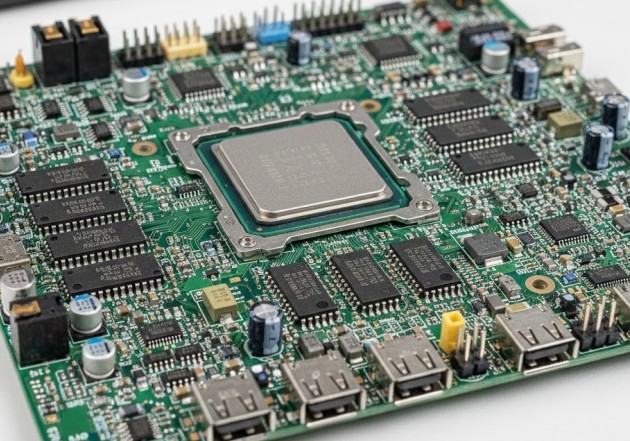
Step 9. Pre-Reflow Inspection
Before heating, we look for wrong spots, lost parts, or bad seats. We do this to skip expensive fixes later.
Step 10. Reflow Soldering
Reflow soldering heats the paste to make bonds. The oven follows a set path. It starts with warm-up to dry solvents and wake flux. Then comes soaking for even heat. Next is reflow to melt solder. Finally, cooling sets the bonds. Tight control stops too much heat or breaks in the PCBA board.
Step 11. Visual Inspection and Automated Optical Inspection (AOI)
After reflow, we use AOI and hand checks. These spot problems like weak solder joins, links between pads, dry spots, off-center parts, extra solder bits, gone components, and odd forms.
Step 12. DIP Insertion (Through-Hole Components)
We add through-hole parts with focus on clean work, even lay, right direction, space from pads, push force, level, and gaps. This sets up good soldering.
Step 13. Visual Inspection (DIP Stage)
We confirm straight lines and soundness before wave soldering.
Step 14. Wave Soldering
For through-hole parts, the board moves over hot solder flows. Steps include prep work, flux put-on, warm-up, soldering, knife blow for extra solder, and cool-down. After, AOI checks for clean joins without flaws.
Step 15. In-Circuit Testing (ICT) and Product Conformance Testing (PCT)
ICT checks single parts, short circuits, and breaks. PCT makes sure the whole thing matches design rules.
Step 16. Cleaning
We clear flux leftovers with cleaners or sound waves. This boosts lasting strength.
Step 17. Final Quality Control (FQC)
We do full reviews and note findings for tracking. This meets our rules and yours.
Step 18. Functional Testing
We check power links, talks between parts, signal strength, storage, add-ons, time keepers, error handling, and programs. All this confirms the PCBA board works as planned.
Step 19. Packaging
Good PCBA boards go into static-safe bags, soft holders, damp-block wraps, or boxes. This keeps them safe for trips around the world.
Conclusion
The PCBA manufacturing process needs care in each part, from getting supplies to checks. Tools like AOI, X-ray, and work tests make sure no flaws slip through. At PCBA Store, our turnkey PCBA services include free DFM looks, quick models, and ISO9001-approved builds in Shenzhen. We back your work with trust and smooth flow.
FAQs
1. What are the common challenges in PCBA manufacturing and how to solve them?
Solder paste issues: Use SPI and optimize stencil design.
Component misplacement: Regular calibration of pick-and-place machines.
Cold solder joints: Maintain reflow profiles (e.g., 245 ± 5°C for SAC305).
BGA voids: Control paste thickness and use nitrogen reflow.
AOI false calls: Update software and manual verification.
2. What improves PCBA production efficiency?
Automated SMT lines, lean practices like 5S, DFM integration, standardized components, and batching similar designs to minimize downtime.
3. What are the main PCBA process steps?
Pre-production (DFM and component checks), SMT assembly (printing, placement, reflow), THT assembly (insertion and wave soldering), inspection/testing (AOI, X-ray, ICT, functional), and post-processing (cleaning, packaging).
Ready to Launch Your PCBA Project with PCBA Store?
As a straight-from-source manufacturer, supplier, and factory in Shenzhen, we offer full PCBA services. There's no minimum order. Get quotes online in a flash. Turnarounds can hit 24 hours. We give free DFM/DFA checks and ship worldwide. Reach our team at pcbastore.com or check our site to begin. Let us take on your PCBA manufacture with quality and pace you can count on.
Previous article:How To Choose PCB & PCBA Manufacturer?



