General, quoting & support.
Add: Building E, No.58, Nanchang Road, Xixiang , Baoan District Shenzhen City, Guangdong, China
Tel : 0755-27348887
Fax : 0755-27349876
E-mail : svc@pcbastore.com
Turnkey PCB Assembly Guide: Rapid Electronics Manufacturing
PCBA Store / 2025-12-25
Contents [hide]
Electronics manufacturing keeps speeding up. It needs quicker, more dependable options for hardware creators, IoT builders, and factory designers. Turnkey PCB Assembly stands out as a smooth choice. It covers making the board, buying parts, putting them together, and sending the final product in one simple flow. This guide looks at the basics, gains, and steps of turnkey PCB assembly. It compares it with consignment ways. It also points out key points for picking a partner. Details about top providers, like PCBA Store, help makers pick smart choices for better output.
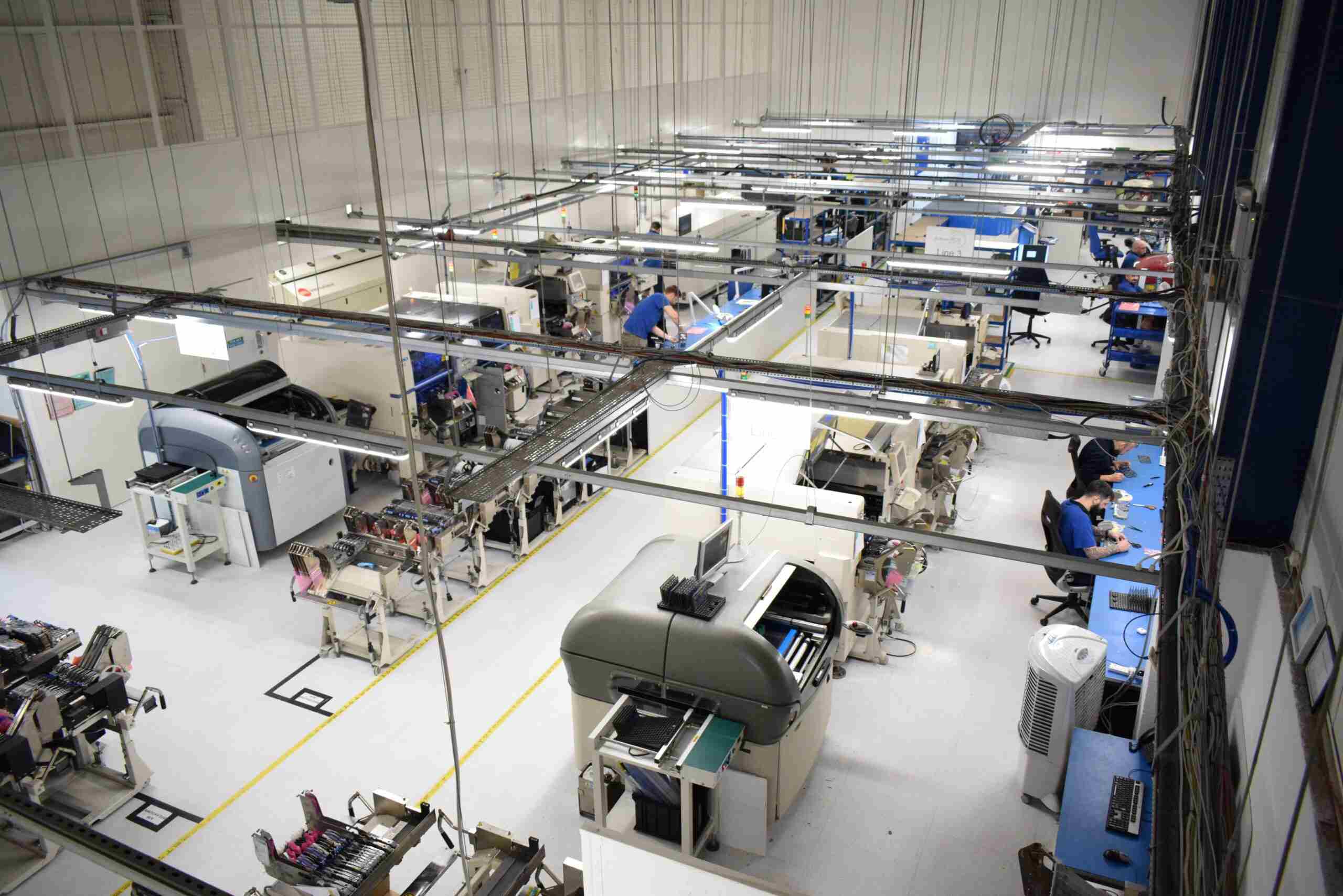
img.Turnkey PCB Assembly for Rapid Electronics Manufacturing.jpg
What is Turnkey PCB Assembly?
Turnkey PCB Assembly means a full PCBA service. The provider runs the whole making cycle. This covers PCB fabrication from basic stuff, getting electronic parts, putting the board together, strict checks, packing, and last shipping. Clients give only needed design items. These include Gerber files for layout and a Bill of Materials (BOM) that lists parts with details. The outcome: ready-to-use, checked boards sent for adding to final goods. This way differs from split methods. There, different sellers manage each part. That often causes teamwork issues. In turnkey plans, one group handles blame. This builds speed in tough fields like car electronics and health tools. Started in the early 2000s, turnkey services grew with world supply chains. They allow quick changes for test models and big numbers for large output.
Advantages of Full Turnkey PCB Assembly
Full turnkey PCB assembly eases work hassles by joining skills in one spot. Providers use big buying power, modern machines, and linked quality rules to give better results.
Time Efficiency
Slowdowns in old making come from passing between sellers. Turnkey steps remove these by matching parts under one cover. Test models can ship in 3-5 days. Fast choices reach 24 hours for making and 8-12 hours for putting together in top setups. This speed helps quick building. It cuts time-to-market by up to 50% for design groups.
Simplified Supply Chain
Handling many sellers breaks control and brings mistakes. Turnkey ways join talks to one spot. They make chat easy via web gates for live news. This joining cuts wrong specs. It makes sure smooth moves from plan to send.
Cost Reduction
Large buys from approved sellers like Digi-Key or Mouser bring cuts given straight to clients. No minimum order quantities (MOQ) and no non-recurring engineering (NRE) fees drop entry walls. In all, turnkey services can lower costs by 20-30% next to consignment. This counts saved moving and fix costs.
Quality Control Improvements
Same rules across steps boost steady work. Joined shops use IPC Class 2/3 rules from making to checks. They drop flaw rates below 0.5%. Auto tools like AOI and X-ray spot problems soon. They keep trust for vital uses.
Risk Reduction
Part wrongs or lacks hurt split chains. Turnkey providers ease these with checked buying and match tests. They back with promises like full money back for flaws. This full risk care guards from slows. It keeps 99% on-time send rates.
Scalability from Prototype to Production
Changing amounts needs little reset. The same partner takes small test runs (1-10 units) to big runs (up to 1 million). They keep process strength. This steady link helps growth without new seller checks.
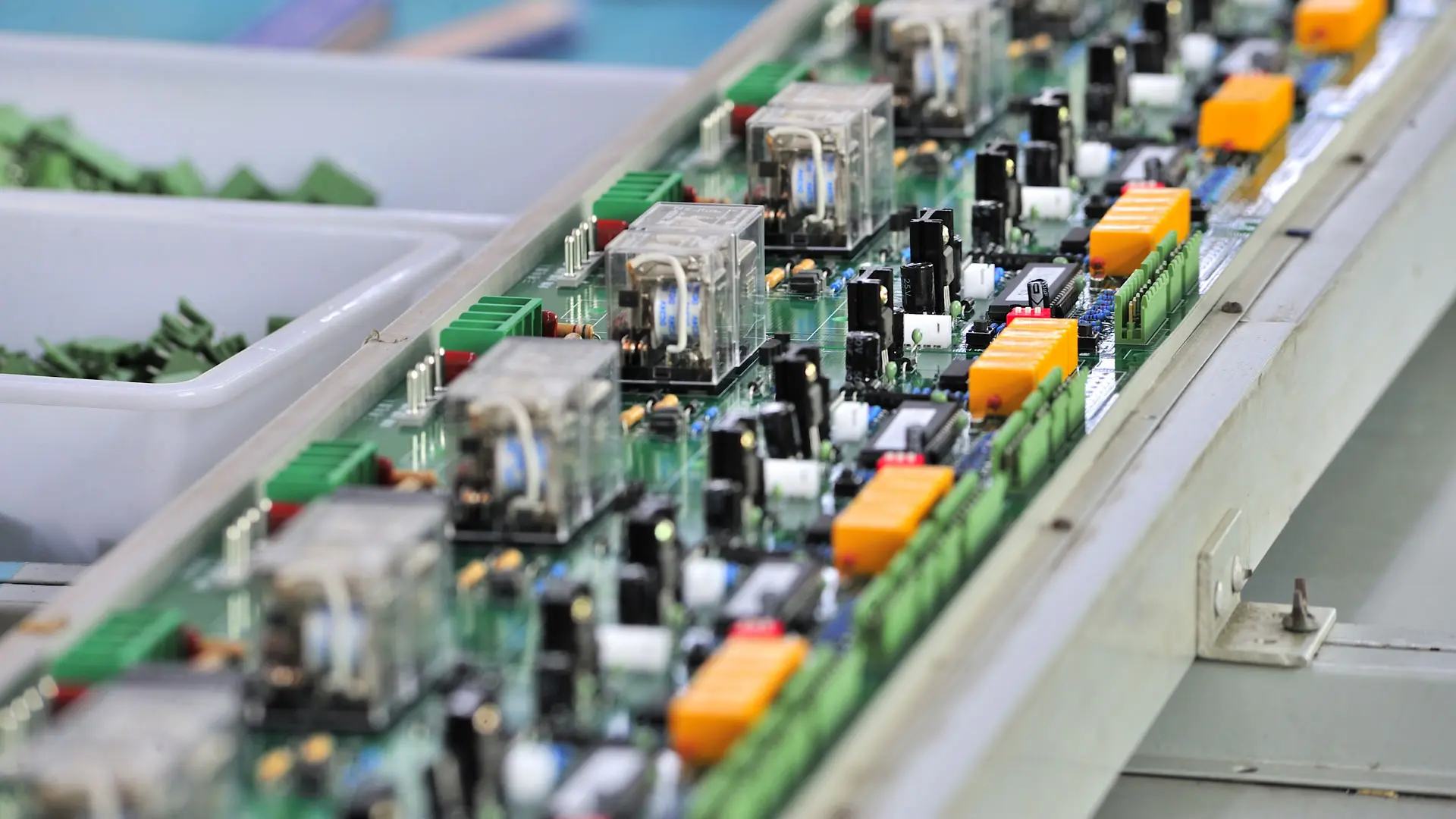
img.top China Turnkey PCB Assembly service supplier.jpg
Turnkey PCB Assembly Process
The turnkey flow follows a clear order. It uses digital tools for exact work.
Step 1: Submit Design Files
Sending designs starts the cycle. Gerber files set board layers and paths. BOM details parts, counts, and spots. Extra files like assembly drawings or centroid data (.csv/.xlsx) help place right. Safe web uploads guard smart property.
Step 2: Get a Quote & DFM Feedback
Workers check sends in hours. They make quick quotes from hard level, amount, and wait times. Design for Manufacturability (DFM) check finds better ways. These include hole changes or layer matches. It stops costly fixes. Feedback circles make sure plans fit making skills.
Step 3: Component Sourcing & Procurement
After okay, buying starts from world links. Turnkey covers full BOM fill. It adds swaps for old parts. Stock tools watch supply. They often finish buying same time as making to shorten waits.
Step 4: PCB Fabrication
Gerber data runs multilayer board making. It supports up to 64 prototype layers or 40 production layers. Stuff ranges from FR-4 to high-frequency Rogers bases. Tight fits reach 2.5mil traces. HDI, rigid-flex, and heavy copper (up to 30oz) fit many needs.
Step 5: PCB Assembly (SMT/THT)
New boards get SMT for surface-mount bits (down to 01005 sizes, 0.4mm pitch) via fast placers like Yamaha. THT handles through-hole puts. Then comes wave or reflow soldering. Mixed-tech supports blend designs. Free stencils make paste exact.
Step 6: Testing and Quality Check
Built units face many level proofs: eye and AOI for flaws, X-ray for BGAs, ICT for links, and function tests for work. Fit with IPC-A-610 and ISO 9001 gives over 99.5% first-pass wins. Full reports come with.
Step 7: Packaging and Delivery
Good units get ESD-safe packs. Often with conformal coating choices. World shipping via DHL keeps track. Fast air for quick needs.
Turnkey PCB Assembly vs Consignment PCB Assembly
In terms of component sourcing, the provider handles all procurement from certified suppliers in turnkey PCB assembly. It allows bulk discounts. Clients supply parts in consignment PCBA. This fits pre-held or special stock. Lead time speeds up in turnkey (3-5 days standard, 8-48 hours express) with no buying waits. Consignment sees longer times from client send and risks stop output. Inventory responsibility rests on the provider in turnkey. They manage keep and moves to cut client load. Clients take handling, packing, and travel risks in consignment. Flexibility in component choice stays stock-based with checked swaps in turnkey. It offers less custom but trust. Full control over brands and specs comes in consignment. This suits old or set needs. Best use cases for turnkey cover testing, MVPs, big runs, and jobs wanting speed and ease. Consignment fits custom, touchy uses like medical/military with full BOM watch. Turnkey shines in speed for normal jobs. Consignment gives exact for special wants.
Key Considerations for Choosing a Turnkey PCBA Partner
Picking a partner needs checking main areas to match job aims. Capabilities include test speed (24-48 hours), amount power (1M+ units), hard level (HDI/multilayer/flex), SMT/THT skill, and test set (AOI/X-ray/ICT/FCT). Component sourcing network covers world reach (Digi-Key/Mouser), lack plans, and easy MOQ handling. Quality certifications cover ISO 9001/14001, IPC Class 2/3, and field ones (AS9100/IATF 16949). Communication and transparency show fast quoting, live tracking, and quick DFM. Geographic location and logistics change costs and times. Shenzhen centers offer DHL links. Cost structure includes NRE fees, unit pricing, and MOQ lines; look for no-setup ways. Pick providers with 15+ years' work and 99% on-time marks for lasting ties.
Top Turnkey PCB Assembly Service Providers
Trusty providers mix new ideas with proven work. Here are strong choices from skills and field words.
PCBA Store (Shenzhen, China)
PCBA Store gives full turnkey services with 16 years in fabrication and 8 in assembly. Shops support 1-64 layer prototypes, HDI, rigid-flex, and amounts up to 1M units. SMT/THT takes fine-pitch BGAs and 01005 parts. Free passive sourcing and stencils come. Turns hit 8-48 hours express. Backed by ISO 9001, IPC-A-610, and 99.5% yield rates. Unique: No MOQ/NRE, instant online quoting, and full refunds for defects.
Partner with a Trusted PCBA Manufacturer and Supplier for Scalable Production Solutions
For electronics builders, hardware startups, and factory OEMs wanting a solid, full-service provider for PCB fabrication, assembly, and box-build, it makes sense to link with a manufacturer and supplier with proven turnkey skills. PCBA Store offers a complete one-stop answer — from design check through component procurement, PCB fabrication, SMT/THT assembly, strict testing, and world delivery. Visit PCBA Store’s website or use their online quote system to send design files and get a quick estimate. Boost the speed, growth, and trust of the electronics manufacturing supply chain by linking with a turnkey PCBA supplier ready for both prototypes and mass production. Contact the team at svc@pcbastore.com or +86-755-27348887 to talk amount promises and custom links.
FAQs
Q1: What documents are required for Turnkey PCB Assembly?
Gerber files for PCB layout, BOM for components, assembly drawings, and centroid files for placement. Upload via secure portals for instant processing.
Q2: What is the lead time for Turnkey PCB Assembly?
Standard: 3-5 days; express options range from 8-48 hours, depending on complexity and volume.
Q3: Which testing methods are included with turnkey assembly?
Visual inspection, AOI, X-ray for BGAs, ICT, and functional circuit testing, adhering to IPC standards.
Q4: Can prototypes scale to production with the same turnkey vendor?
Yes, seamless transitions support volumes from 1 unit to 1 million, maintaining consistent quality and processes.
Q5: Is turnkey assembly more costly than consignment?
Typically lower due to bulk sourcing and no logistics overhead; savings of 20-30% are common for standard projects.
You Might Like:
How Surface Mount Technology (SMT) is Transforming Modern Electronics
How to Choose the Right PCB Assembly Services for Your Business
Why Do Businesses Choose PCB Assembly Manufacturers in China?
A Complete Guide to PCB Assembly Equipment and Its Importance in Production



