General, quoting & support.
Add: Building E, No.58, Nanchang Road, Xixiang , Baoan District Shenzhen City, Guangdong, China
Tel : 0755-27348887
Fax : 0755-27349876
E-mail : svc@pcbastore.com

China Turnkey PCB Assembly for Global OEMs
PCBA Store / 2026-09-15
Contents [hide]
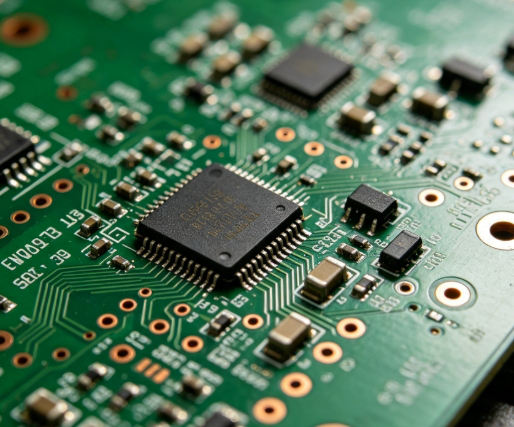
Global OEM teams usually choose turnkey assembly to reduce the number of handoffs between PCB fabrication, component purchasing, assembly, testing, and delivery. The value is not the word turnkey by itself. The value is having one accountable process that keeps the approved revision, material status, quality evidence, and schedule connected.
What a Turnkey PCBA Service Actually Owns
A full turnkey order can bring together PCB fabrication, component sourcing, stencil preparation, placement, soldering, inspection, testing, and shipment coordination. A partial turnkey order may leave some purchasing or materials with the customer while the assembly partner manages the remaining scope.
The right model depends on how much supply-chain control the OEM wants to retain. Approved-vendor rules, customer-owned inventory, scarce components, regional compliance, and internal purchasing capability can all make partial turnkey more practical than a fully outsourced order.
Scope questions for an overseas buyer
· Who purchases the PCB and which components?
· Who approves substitutions when a part is unavailable?
· Which party owns shortages, excess material, and customer-supplied inventory?
· Where are inspection, test, rework, and shipment records stored?
· When does the quoted production clock actually begin?
The Handoff from Data Package to Shipment
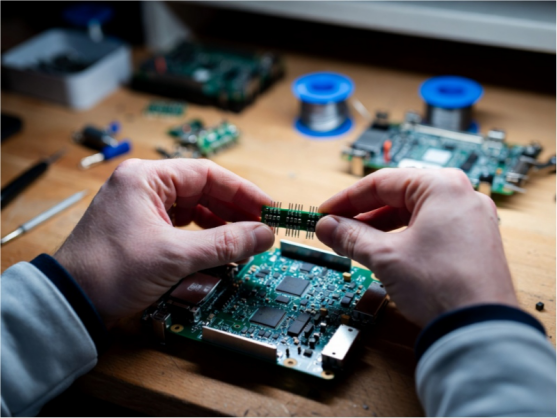
A turnkey schedule becomes meaningful only after the build data is complete. The BOM, Gerber or other PCB files, Pick-and-Place data, drawings, photos, and other assembly documents should describe the same board revision and component orientation.
Parts readiness is equally important because purchasing and kitting affect the real start date. A promise that begins before all materials and files are ready can create a misleading comparison between suppliers and hide the dependency behind the delivery estimate.
PCBA Store describes full turnkey and partial turnkey assembly, with assembly timing tied to complete parts and data. The China turnkey PCB assembly services help frame the buyer's decision around actual project ownership rather than a broad service label.
Turnkey and partial turnkey compared
Model | Customer usually controls | Best fit |
Full turnkey | Product requirements, approved parts, and acceptance criteria. | Teams seeking one main owner for sourcing through shipment. |
Partial turnkey | Selected components, special parts, or approved inventory. | OEMs with strategic sourcing or customer-supplied materials. |
Consigned assembly | Most or all components and material logistics. | Projects needing tight control of part source and inventory. |
Kitted assembly | A prepared kit delivered for assembly. | Builds where the customer already has complete material control. |
Quality Ownership Must Be Visible
One-stop service does not remove the need for clear quality ownership. The quotation and order should identify incoming inspection, component verification, soldering criteria, AOI, X-ray, functional testing, rework, and final release responsibilities. A one-stop PCB service should make each inspection and release responsibility visible.
PCBA Store describes AOI, X-ray, ICT, and functional testing within its assembly capability. Buyers comparing a one-stop production capability overview should connect each quality step to the product's risk profile and required records.
A global OEM should also separate general workmanship criteria from product-specific requirements. IPC-A-610 may provide a common reference for assembly acceptability, but customer drawings, critical dimensions, functional limits, and regulatory documentation still need to be defined for the project.
Where China-Based Turnkey Services Create Practical Value
China-based turnkey production can be useful when an overseas buyer needs coordinated procurement and assembly capacity in one location. It can also simplify communication about BOM status, approved substitutions, panelization, and manufacturing feedback when one team sees the whole build.
The benefit is strongest when the supplier can explain what it controls and what it needs from the customer. A clear division of responsibility reduces the risk that a missing component, unclear revision, or late test requirement appears only after the order is underway.
PCBA Store presents PCB manufacturing and PCB assembly under one roof, with support for prototype and mass-production work. The global PCBA service scope is relevant when an OEM is checking whether the service can follow a board beyond a single prototype run. This is the operating scope buyers often expect from a one-stop PCB assembly manufacturer.
A one-stop model also helps when engineering feedback needs to move quickly between fabrication and assembly. Panelization, pad design, component availability, stencil decisions, and test access can be reviewed in the same production conversation, which reduces the chance that one stage optimizes a board for the next stage's problem.
Commercial Questions That Protect the Schedule
A useful turnkey quotation should make its assumptions visible. The buyer should be able to see whether the price includes PCB fabrication, stencil, component procurement, assembly, testing, packaging, and any special tooling or rework conditions.
Delivery language also needs a defined start point. Ask whether the quoted lead time begins at purchase order, at file approval, when all parts arrive, or after a first-article decision. These are different schedules and should not be compared as if they were identical.
Change control protects both price and timing. A revised BOM, alternate package, changed solder requirement, or new functional test can affect procurement and line setup, so the approval route should be agreed before production begins.
The Practical Takeaway for Turnkey PCBA
China turnkey PCB assembly is most valuable when it gives the OEM one coherent path from approved data to tested shipment. The buyer should evaluate scope, material ownership, start-date rules, inspection coverage, change control, and the evidence supplied at release.
The next step is to divide the project into customer-owned inputs and supplier-owned actions. That simple ownership map makes a turnkey quotation easier to compare and reveals whether a partial model would better fit the project.
For a project that needs a scope review, contact PCBA Store with the BOM, PCB files, expected volume, sourcing boundaries, and required tests so the appropriate turnkey route can be clarified.
FAQ
What is China turnkey PCB assembly?
China turnkey PCB assembly is a production model in which a supplier coordinates several stages such as PCB fabrication, component sourcing, assembly, inspection, testing, and shipment planning.
What is the difference between full and partial turnkey assembly?
Full turnkey usually gives the supplier broader responsibility for materials and production. Partial turnkey lets the customer retain selected components or purchasing responsibilities.
When is partial turnkey a better fit?
Partial turnkey can suit projects with approved vendors, customer-owned parts, scarce components, or internal sourcing rules that the OEM needs to preserve.
When does the turnkey assembly lead time begin?
The start point should be stated in the quotation. It may depend on complete data, available parts, approved substitutions, and other project inputs rather than the purchase order alone.
What should a turnkey PCBA quotation include?
The quotation should clarify fabrication, materials, sourcing, assembly, inspection, testing, packaging, tooling, delivery assumptions, change control, and any excluded conditions.
Previous article:Post-Assembly Testing of Relays, Diodes, Resistors, and Transistors



