General, quoting & support.
Add: Building E, No.58, Nanchang Road, Xixiang , Baoan District Shenzhen City, Guangdong, China
Tel : 0755-27348887
Fax : 0755-27349876
E-mail : svc@pcbastore.com

Flexible PCB Assembly or Rigid PCB Assembly: How to Choose Wisely?
PCBA Store / 2026-08-04
Contents [hide]

Core Manufacturing Differences Between Flexible and Rigid PCBs
Fabrication Steps Used in Flexible PCB Production
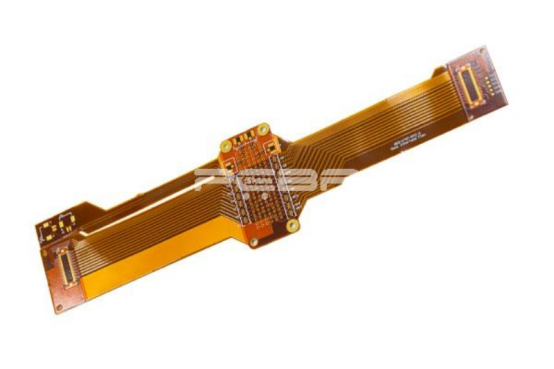
A flexible circuit usually requires extra distinct processing stages when compared to hard boards. During polyimide flexible PCB fabrication, manufacturers have to map out coverlay application very carefully. They must also plan stiffener placement well. Furthermore, builders need to pick the correct glues. They must apply routing methods that cut down on stress areas where cracks often form. These details are certainly not optional. They directly impact the bending lifespan. In addition, they determine the final assembly success rate.
Fabrication Workflow in Rigid PCB Production
Rigid PCB production relies on a regular process. This includes lamination, drilling, plating, imaging, etching, and finishing. Its flat shape helps with precise automation. It also creates steady manufacturing. Putting bare PCB and PCB assembly together in one plant boosts quality control. This setup cuts down lead times as well. Consequently, it works perfectly for large-scale rigid PCB projects.
Tolerance and Handling Considerations
Flexible circuits need gentle handling during drilling, imaging, and assembly. This is because they can shift or bend quite easily. Such movement makes fine-pitch alignment a lot harder. On the other hand, rigid boards keep their size and shape much better during automated production. As a result, strict process control is absolutely necessary. Early testing is also vital for building a dependable flexible PCB prototype.
Design Considerations That Influence the Right Choice
Space, Weight, and Form-Factor Demands
Flexible circuits work great for small electronics. These devices often need folding, bending, or space-saving layouts. They help cut down on thick wiring harnesses. They also remove the need for certain board-to-board connectors. Due to these clear advantages, flexible PCB assembly stays a very smart pick for wearable tech and medical tools. It is also great for cameras and factory controllers. Conversely, rigid PCB boards fit best in fixed structures. In these spots, toughness, simple installation, and easy upkeep matter much more than dropping weight or shrinking the total size.
Bend Requirements and Mechanical Performance
Not every bend acts the same way. A static bend is shaped just once and then remains in that exact position. A dynamic bend shifts continuously during normal operation. This clear distinction alters the choice of materials, copper thickness, trace layout, and bend radius rules.
A rigid PCB cannot provide the same physical flexibility as a flex layout in active systems. If the device opens, turns, or shakes frequently, a correctly built flexible circuit generally offers superior long-term durability compared to a wire-linked rigid setup.
Signal and Thermal Considerations
Both flexible and rigid boards present different compromises. Slim flex structures can aid tight wire routing. However, they might release heat differently than thick rigid boards. Furthermore, impedance control relies heavily on material thickness, dielectric qualities, and conductor shape.
Assembly Differences That Affect Product Reliability
Component Mounting Challenges in Flexible PCB Assembly
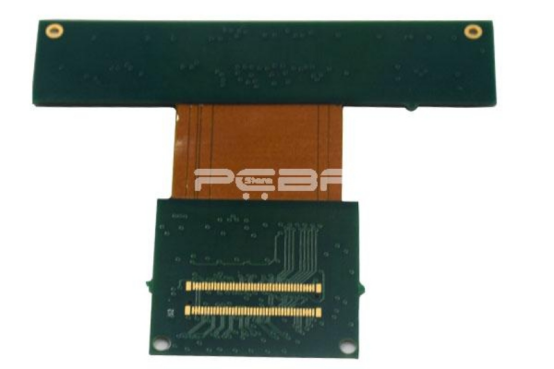
Flexible bases typically require carriers or special pallets during the pick-and-place and reflow steps so they remain completely flat. Heavy connectors, large switches, and crowded parts might also need targeted physical reinforcement. This is a primary reason why flex PCB assembly preparation should start very early rather than waiting until the fabrication files are finished.
PCBA Store possesses modern capabilities for SMT assembly, through-hole, and mixed technology PCB assembly processes to help us satisfy all client PCBA demands under one roof in a highly affordable manner.
Soldering and Process Control Requirements
High temperatures impact flexible bases quite differently than rigid ones. During the reflow stage, unsupported flex boards might twist or move out of place. Hand soldering can also cause spot overheating if the workers do not carefully manage their heating time and tool pressure.
Reflow soldering machine for single-side / double-sided PCB soldering. Correct holding fixtures and careful temperature tuning help secure pad positioning, solder connection quality, and ultimate surface flatness.
Reliability Risks Linked to Poor Assembly Decisions
Inadequate support around bending areas, connectors, or stiffener borders can generate early breaking points. Tension near solder joints is highly risky in devices that bend after final installation. Dependable results rely entirely on pairing the board layout and the assembly technique to the real working conditions.
Cost Factors Behind Flexible PCB and Rigid PCB Decisions
Where Flexible PCB Costs Commonly Increase?
Polyimide flexible PCB fabrication usually carries a higher price tag. This happens because the required materials are quite distinct. Also, workers must move the parts slowly during production. The allowed error margins remain very tight. Adding stiffeners, special tooling, cover films, and holding fixtures can push the price even higher. Short production runs can make a flexible PCB prototype appear quite costly when checked against a rigid match.
When Rigid PCB Assembly May Be More Budget-Friendly?
Rigid PCB assembly generally gains from common materials, established production lines, smoother logistics, and basic holding fixtures. FR-4 remains the most widely used affordable base for standard consumer goods.
Looking Beyond Unit Price
A flexible circuit can successfully lower the connector count, hand wiring needs, overall assembly bulk, and setup difficulty. Those benefits can balance out the steeper board price. From initial PCB design and layout to PCB prototyping, large-scale fabrication, and then to PCB assembly and full electronics box-build assembly services, PCBA Store’s printed circuit boards are extensively integrated into robotics, medical devices, cars, communication networks, industry tools, and consumer electronics. In these specific fields, total system savings frequently matter much more than just the bare-board cost.
How to Choose Between Flexible PCB Assembly and Rigid PCB Assembly?
Evaluating Prototype Needs Before Full Production
A flexible PCB prototype remains one of the finest planning tools you can use. It assists in checking physical fit, bend limits, assembly techniques, and high-stress zones before moving to mass production. PCBAStore provides fast PCB prototyping services for rapid-turn PCBs at premium quality and affordable cost. This not only builds your PCBs quickly, but it also ensures your project is correct and highly cost-effective.
Checking a flex prototype against a rigid model can show whether the extra manufacturing expense provides sufficient benefit in space saving, device reliability, or daily user experience.
Working with the Right Manufacturing Partner
The ideal vendor must comprehend both design-for-manufacturing rules and design-for-assembly guidelines. As a highly favored PCB manufacturing and assembly firm located in China, PCBA Store has supplied complete electronic manufacturing services for 16 years. PCBA Store aims to satisfy the specific demands of our clients across various sectors regarding cost efficiency, premium quality, prompt delivery, and any special requirements. One-Stop Solution Capabilities include PCB prototype and fabrication, electronic component sourcing, PCB assembly, and final box build assembly.

Conclusion
Flexible PCB assembly stands as the superior option when your device requires bending, tight spacing, connector reduction, or active motion. Rigid PCB assembly is typically the better route when you desire lower expenses, simpler physical handling, and a firm mechanical base. The wisest choice results from examining fabrication constraints, assembly dangers, and complete system costs together, rather than just contrasting the bare board prices. For numerous designs, building a flexible PCB prototype is the quickest method to verify if the flex benefits truly justify the extra processing steps.
FAQs
What is the main difference between flexible PCB assembly and rigid PCB assembly?
The primary difference involves physical movement and factory handling. Flexible boards can easily bend and fold. However, they frequently require carrier trays, stiffeners, and stricter process management. Rigid boards remain completely flat, which makes PCB assembly and factory moving much simpler on standard production lines.
When should I choose polyimide flexible PCB fabrication?
You should select polyimide flexible PCB fabrication when your device requires frequent bending, folding, dense packing, or fewer wire connectors. Polyimide is extensively utilized because it enables great flexibility, strong reliability, and tight placement inside complex electronics.
Is a flexible PCB prototype necessary before mass production?
Yes, for most flex designs, it is strongly advised. A flexible PCB prototype helps verify physical fit, bending action, material choices, part support, and assembly readiness before you invest in expensive tooling and massive volume orders.
Why is flexible PCB usually more expensive than rigid PCB?
A flexible PCB requires a larger budget. This increase stems from using a special pcb base material. It also involves extra caution during daily handling. Furthermore, coverlay processes, extra support parts, and strict mechanical testing rules add to the total expense.
Can flexible circuits improve product reliability?
Yes, they certainly can. This is especially true when they swap out bulky connectors and cable bundles that act as frequent breaking spots. Reliability increases the most when the flexible circuit is planned with the correct bend radius, smart trace routing, strong stiffener backing, and a highly suitable flex PCB assembly procedure.



