General, quoting & support.
Add: Building E, No.58, Nanchang Road, Xixiang , Baoan District Shenzhen City, Guangdong, China
Tel : 0755-27348887
Fax : 0755-27349876
E-mail : svc@pcbastore.com

How Does Medical Equipment PCB Assembly Meet Strict Quality and Testing Requirements?
PCBA Store / 2026-08-05
Contents [hide]
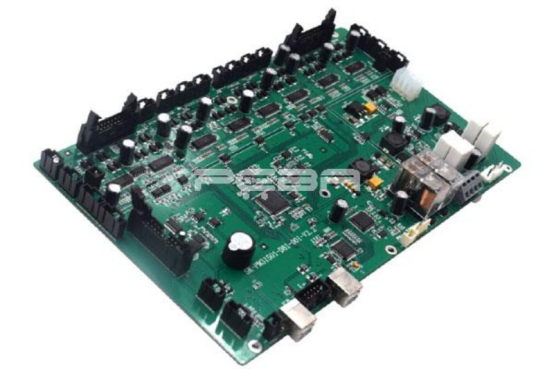
PCB Meaning in Medical Devices
PCB meaning in medical devices describes how printed circuit boards act as the core electronic base for healthcare tools. Everyday electronics are quite different. Healthcare tools need much greater safety, tracking, and trust. Because of this, medical PCBs must follow very tough building rules. These rules guarantee exact results and a long working life. They also ensure the boards run without issues in hospitals, local clinics, and home care setups.
How Medical PCBA Supports Device Safety and Performance
Core Functions of a Medical PCBA
A medical PCBA represents the fully built version of the bare board. At this stage, the PCB holds all of its needed electronic parts. It is fully ready to do real work. The board gives power to the whole machine. It processes incoming signals and runs different sensors. Furthermore, it directs the energy flow. It also lets data move freely between separate parts inside the device.
For instance, a medical PCBA might gather data from body sensors. It then cleans up that signal and routes the information to a main chip. After that, it activates a screen, triggers a warning sound, or sends a wireless signal. Thus, the quality of both the board layout and the physical assembly remains central to keeping the device running smoothly.
Medical Devices That Commonly Use PCB Assembly
Medical PCB assembly shows up across numerous product groups, such as:
Device type | Typical PCBA role | Assembly challenge |
Patient monitors | Signal capture and display control | Accuracy and noise control |
Infusion pumps | Motor control and dosage logic | Reliability and fail-safe operation |
Imaging systems | Data handling and power control | Dense multilayer design |
Wearable health devices | Sensing and wireless communication | Miniaturization |
Diagnostic tools | Measurement and processing | Stable component performance |
Quality Expectations in Medical PCB Assembly
Why Tighter Quality Control Is Required
Medical electronics regularly function under tough conditions. They are also used repeatedly over many years. Strict quality checks help lower the chances of random breakdowns, unexpected downtime, and false readings. In medical settings, user trust relies entirely on steady results. Thus, following strict production rules is necessary.
Keeping bare PCB making and PCB assembly in a single facility leads to tighter quality checks and shorter wait times. This concept is extremely vital for medical projects. Smooth teamwork between the board makers and the assembly team reduces mistakes and boosts overall process control.
Key Quality Factors Checked During Assembly
Builders must use strong materials, approved parts, and real pieces. This choice creates steady results and a longer lifespan. Real parts are vital for health devices. They stop sudden breakdowns from happening.
Putting parts in the exact right spot is crucial. Good soldering makes the signal much more stable. It also cuts down on flaws like cold joints, bad bridges, and power errors. Meeting IPC Class 3 standards matters a lot. Fine-pitch skills, such as LCC, BGA, and QFN, are also key for medical PCBA.
A spotless factory space stops dust from harming the boards. It also keeps away leftover flux and wetness. Good dirt control keeps the circuits working well. This careful setup leads to lasting strength over many years.
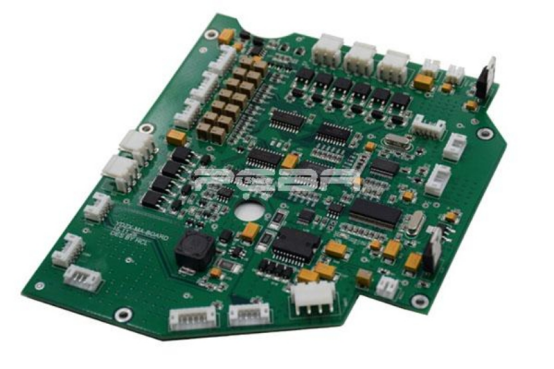
Testing Methods Used in Medical PCB Assembly
Electrical Testing for Functional Accuracy
Basic electrical testing verifies wire continuity, finds short circuits, locates open lines, and confirms that circuits act exactly as planned. These essential checks prove that a board functions well before workers place it into the final casing. Finding errors early cuts down on repair expenses and drops overall quality risks.
Inspection Techniques Applied During Manufacturing
Automated optical inspection (AOI) uses cameras and software to detect placement errors, reversed components, and solder defects. It helps maintain consistent quality in large PCB production batches.
X-ray inspection checks hidden solder joints under BGA and other bottom-mounted components. It verifies internal connections without damaging the board.
In-circuit testing checks components and connections, while functional testing confirms whether the medical PCBA works correctly in real operating conditions. Together, they improve product reliability before final assembly.
Environmental and Reliability Testing for Medical Electronics
How Medical PCBAs Are Checked for Long-Term Stability
Medical PCBAs often go through tests involving high heat, deep moisture, heavy shaking, and long running times to guess their future lifespan in actual use. These tough trials help spot hidden design flaws long before the products reach real hospitals.
The Importance of Consistency Across Production Runs
Medical brands require identical quality from one batch to the next. Early prototype checks, small pilot batches, and constant factory monitoring help guarantee that the final quality stays identical over the years. This steady approach aids in planning repairs, ensures long tool life, and builds deep user trust.
Choosing a Manufacturing Partner for Medical PCBA
You might need to pick a partner for medical PCBA manufacturing. If so, look closely at their technical skills. Check if they can make multilayer boards and handle tiny parts. Also, see if they use unique materials and run strict tests. Modern SMT assembly and through-hole methods are very helpful. Mixed technology and HDI also play a big role. Features like buried and blind holes, heavy copper, and via-in-pad designs support hard-to-handle tasks. RF and rigid-flex skills make these complex medical uses possible. It is also important to check traceability, testing management, component sources, and design updates to ensure the factory meets the strict requirements of PCB in medical applications.
Design and Assembly Practices That Help Meet Medical Requirements
Good PCB design choices improve assembly quality by reducing production errors and increasing yield. Layout, spacing, copper pads, and heat control all affect manufacturing results. Working closely with the factory team helps avoid common issues. A step-by-step process from prototype PCB assembly to pilot runs and volume production ensures stable quality, reliable testing, and smoother scaling for future projects.
PCBA Store offers rapid PCB prototyping services for quick-turn PCB at high quality and low cost that not only makes your PCBs quick, but also makes your job right as well as cost-effective.

Conclusion
Grasping the concept of PCB meaning medical involves more than just learning words. It means understanding why building healthcare boards requires tougher plastics, better soldering, deeper checking, and clearer tracking than normal gadgets. For businesses making medical tools, mixing smart design, deep testing, and unified factory work can vastly boost user safety, product steadiness, and shipping control.
FAQs
What does PCB mean in medical devices?
Inside medical tools, PCB stands for printed circuit board. It acts as the solid base that holds and links electronic parts. These parts handle data reading, system control, wireless links, and power flow inside the medical gear.
Why is medical PCBA more demanding than consumer electronics assembly?
A medical PCBA must pass much stricter rules for long life, clear tracking, and user safety. This happens because the board might control patient checks, illness spotting, or direct healing. Even tiny factory mistakes can trigger jumpy numbers or complete tool failure.
What tests are commonly used for medical equipment PCB assembly?
Normal checks include wire continuity and short tests, automated optical inspection, X-ray scanning, in-circuit tests, and full functional checks. Lots of medical projects also add extreme heat, deep moisture, heavy shaking, and long-run tests.
What is a medical PCB assembly turnkey service?
A medical PCB assembly turnkey service is a factory setup where a single company manages parts buying, bare board making, part placement, visual checking, and final testing. This unified method can boost team chats, smooth out timelines, and improve paper tracking for strict medical jobs.
How can I evaluate a PCB supplier for medical projects?
Ensure the factory offers clear tracking, buys real parts, handles tiny chips, builds thick boards, and uses AOI and X-ray tools. Also check their paper records.



