General, quoting & support.
Add: Building E, No.58, Nanchang Road, Xixiang , Baoan District Shenzhen City, Guangdong, China
Tel : 0755-27348887
Fax : 0755-27349876
E-mail : svc@pcbastore.com

How Does BGA Assembly Ensure Reliable High-Density Electronics
PCBA Store / 2026-07-15
Contents [hide]
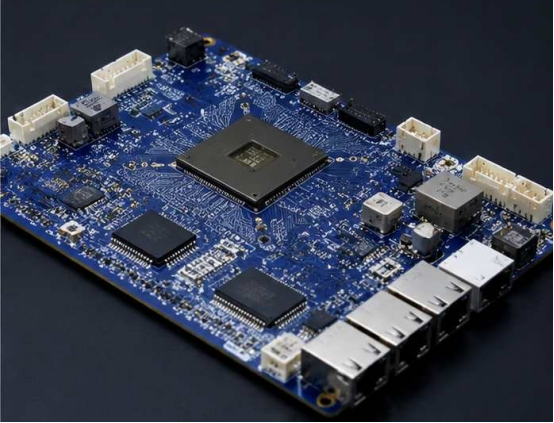
The need for smaller, faster, and much stronger electronic devices is growing rapidly. This trend affects industrial control, medical equipment, robotics, drone networks, and AI hardware. As chip packages grow more intricate, standard PCB assembly techniques struggle. They often fail to handle packed connections and tight layouts. Therefore, BGA assembly serves as a vital fix. It lets makers add cutting-edge components while keeping electrical performance solid.
PCBA Store delivers expert PCB Assembly services. They back clients with top-tier assembly skills, strict checking steps, and a deep manufacturing background for tough electronic tasks. For current electronics builders, dependable BGA assembly relies on more than just putting components down. It also needs exact soldering control, smart checking tech, and skilled workflow handling.
Why Does BGA Soldering Require Higher Precision?
BGA soldering is much harder than regular component soldering. Tiny workflow shifts can easily ruin product stability. A minor placement mistake, wrong paste amount, or bad heat setting can cause link failures.
The first hurdle is placing exactness. BGA components usually hold hundreds or even thousands of connection points in a tight zone. Makers need highly advanced placing equipment. This equipment must line up the balls with the board pads perfectly before heating.
The second hurdle is heat handling during the reflow stage. The heat curve must be strictly guided. This ensures the joints form correctly without hurting delicate silicon chips. Too much heat can ruin a component's function. On the other hand, too little heat creates weak, faulty links.
The third hurdle involves checking. Since BGA solder joints stay hidden, makers must use high-tech checking equipment like X-ray tools. X-ray inspection can detect defects such as solder voids, solder bridging, insufficient solder, and open connections. Thus, a solid bga pcb assembly workflow needs a mix of top-notch equipment, deep engineering skill, and strict quality checks.
How Does Equipment Improve BGA PCB Assembly Reliability?
BGA PCB assembly leans on several assembly processes running smoothly together. Every single machine performs a unique job. This teamwork boosts steadiness and lowers building risks.
Precision SMT Placement Equipment | Places BGA and other surface mount components accurately | Improves alignment between solder balls and PCB pads |
Solder Paste Printing System | Controls solder paste application on PCB pads | Helps maintain consistent solder volume |
Reflow Soldering System | Creates solder connections through controlled heating | Supports stable solder joint formation |
X-Ray Inspection System | Examines hidden solder connections | Detects internal BGA defects that visual inspection cannot identify |
What Makes Professional BGA Assembly Different from Standard PCB Assembly?
Basic PCB assembly usually counts on simple visual checks. This works because many components have open pins or connection points. However, BGA assembly demands extra engineering thought. This is because the vital solder joints stay hidden beneath the component body.
Before factory work starts, builders typically check board layout details. They look at pad shapes, component matching, and manufacturing requirements. This smart design-for-building style catches problems before they pop up on the factory floor.
PCBA Store provides turnkey PCB Assembly services. hey support prototype development and volume production. Their skill set covers buying components, SMT building, checking steps, and tailored factory help. This broad style helps buyers run tough projects where BGA components need strict workflow control.
The gap between simple building and expert BGA PCB assembly goes beyond just machine power. It also covers workflow background, quality tracking, and the skill to tackle tough electronic needs.
How Are BGA Assembly Quality Risks Controlled?
A full quality workflow usually kicks off with an engineering check. Workers look over the board layout, component choices, and manufacturing requirements before any factory work begins. This step cuts down risks tied to bad pad designs or poor component placing.
During the factory run, inspection systems help confirm different workflow steps. Automatic Optical Inspection (AOI) catches clear building mistakes. Meanwhile, X-ray scanning offers deep views of internal BGA links.
For tough uses like industrial controllers, medical tools, robots, and AI equipment, these inspection systems offer deep trust. They ensure the final PCBA works flawlessly.
Blending strict bga soldering rules with smart checking tech lets builders ship much steadier electronic goods for hard tasks.
What Industries Need Advanced BGA PCB Assembly?
Factory equipment makers put BGA components in control brains, network tools, and robot setups. In these spots, steady running is a must. Medical electronics also need tight layouts with solid output. Many of these tools run non-stop in strict clinical rooms.
Robots and AI equipment lean on heavy-duty brains and tight board layouts. BGA tech helps these machines reach massive math power while saving board space. Drone makers also gain from light, packed board layouts. For them, both speed and small size matter greatly.
For these tough fields, picking a skilled PCBA vendor is vital. The assembly quality directly shapes how well the product runs and how long it lasts.
How Should Companies Select a BGA Assembly partner?
Picking the right BGA assembly partner takes more than just looking at factory size. Buyers must check if the vendor holds the right tools, checking skills, and engineering backup.
Key points to look at include handling tricky components, offering X-ray checks, backing both mock-ups and big runs, and managing component buying needs.
PCBA Store backs buyers through complete PCB Assembly services. They help firms move from rough ideas to fully finished electronic goods. Their factory style highlights workflow stability, strict quality checks, and adaptable help for different project goals.
For firms building factories, medical, robot, or AI electronics, teaming up with a seasoned assembly componentner lowers factory risks. It also boosts product stability greatly.

Conclusion
BGA assembly stands as a core tech for today's electronic goods. Yet, good BGA building takes much more than just dropping a component on a board. Exact placing, strict bga soldering, smart checking, and expert workflow tracking are all vital for steady results.
As electronic setups grow smaller and smarter, makers need PCBA partner with deep tech skills and strong quality tracking. Picking the right BGA PCB assembly vendor helps firms boost product stability. It also cuts down design time and tackles tricky electronic factory hurdles.
FAQ
How does BGA soldering prevent hidden PCB defects?
BGA soldering quality stays tight through exact component placing, fine-tuned heating curves, and X-ray scans. These steps catch inside solder flaws that normal eye checks miss.
What is the difference between BGA PCB assembly and standard PCB Assembly?
BGA PCB assembly puts solder balls under the component. This setup allows much tighter link packing than older packages. Since the joints stay hidden, the process demands much sharper equipment and checking tech.
Can PCBA Store support prototype and production BGA assembly projects?
Expert PCB Assembly vendors handle various factory stages. They blend engineering checks, component buying, building skills, and checking steps. This broad help lets buyers build mock-ups and grow their production runs smoothly.
Why is X-ray inspection important for BGA PCB assembly?
X-ray scans let builders look at hidden solder joints beneath BGA components. This tool finds bad spots like empty holes, solder bridges, or broken links. Such flaws can easily hurt electronic stability.
Previous article:How Does Double Sided PCB Assembly Reduce Design Limitations?



