General, quoting & support.
Add: Building E, No.58, Nanchang Road, Xixiang , Baoan District Shenzhen City, Guangdong, China
Tel : 0755-27348887
Fax : 0755-27349876
E-mail : svc@pcbastore.com

How Does Double Sided PCB Assembly Reduce Design Limitations?
PCBA Store / 2026-07-14
Contents [hide]
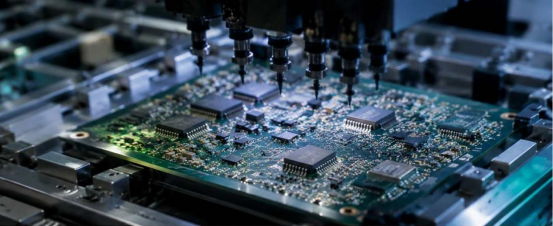
Today's electronic devices demand greater component density, tighter footprints, and steady performance. From factory control units to healthcare tools, robotics, drones, and AI systems, developers need PCB solutions that handle tight space limits while keeping manufacturing steady. PCBA Store delivers PCB assembly services that handle complex layouts. This includes double-sided PCB assembly for jobs that need high component integration and smart production control.
Double-sided PCB assembly lets parts sit on both sides of a board. This setup helps designers use all available board space while keeping electrical links strong. Compared to standard single-sided builds, this method gives extra freedom for small electronic goods. It also backs advanced PCBA uses where size, speed, and building efficiency matter most.
What Makes Double-Sided PCB Assembly Suitable for Modern Electronics?
Double-sided PCB assembly is a building technique where electronic parts sit on both the top and bottom faces of a board. This setup lets engineers boost component density without making the board much bigger.
In actual production, workers usually build the top side of the board first. They do this through solder paste printing, part placement, and reflow soldering. After checking the work, they process the board again for the second side build. This step needs strict process control. The second reflow heating must keep the already placed parts safe while making sure new solder joints stay strong.
For factory electronics, robots, medical gear, and AI tools, double-sided PCB assembly offers a smart fix when one board face cannot hold enough parts. It helps builders pack processors, sensors, data modules, power parts, and control loops into tighter systems.
The core perks of double-sided PCB assembly include better space use, wider design freedom, and a smaller total product size. Still, good production relies heavily on board layout planning, part choices, soldering control, and checking skills.
Single-sided PCB assembly | Components mounted on one PCB side | Simple production structure and lower complexity | Basic electronic products |
Double sided PCB assembly | Components mounted on both PCB sides | Higher component density and better space utilization | Industrial devices, medical equipment, robotics |
Mixed technology assembly | SMT and through-hole components combined | Supports complex component requirements | Advanced PCBA systems |
How Does the Double-Sided PCB Process Work?
The double-sided PCB process needs close teamwork between board prep, SMT assembly, soldering, and testing. Unlike basic board building, double-sided work needs extra care during part placement and heat control.
The work usually starts with solder paste printing on the first board face. Automated SMT machines place surface-mount parts based on the board design files. After placing the parts, the board goes through a reflow oven. This step builds firm solder links.
Workers then check the board before moving to the second side build stage. They repeat the same steps for the back face. This includes adding solder paste, placing parts, and reflow soldering. A final check makes sure both sides meet strict quality rules.
A reliable double-sided PCB process depends on several critical manufacturing controls throughout the assembly workflow. Solder paste printing requires accurate paste volume and positioning to create stable solder joints, while SMT placement relies on precise component positioning to maintain electrical connection accuracy. During reflow soldering, a controlled temperature profile helps prevent solder defects and protects component reliability. After assembly, inspection and testing methods such as AOI, X-ray inspection, and functional testing verify the overall quality and reliability of the completed PCBA.
How Does Double-Sided PCB Manufacturing Improve Production Efficiency?
Double-sided PCB manufacturing takes more careful production control than single-sided board building. The maker must think about part placement order, soldering heat, checking ways, and material matches.
A skilled PCBA supplier handles the whole production flow. This runs from buying boards and parts to SMT assembly and final testing. This linked setup cuts down on talk problems between different vendors. It also helps keep quality steady throughout the build.
PCBA Store backs board assembly jobs through SMT assembly, through-hole assembly, mixed tech assembly, test builds, and mass production. This building power lets buyers move from early design steps to large production needs with steady support. The main goal of good double-sided PCB manufacturing is not just fitting more parts on a board. It is also about keeping the product steady and strong long after the build is done.
How Can PCBA Store Support Double-Sided PCB Assembly Projects?
Picking the right PCBA partner is vital for firms making factory and advanced electronic goods. A solid vendor must grasp both building needs and design hurdles.
PCBA Store offers full turnkey PCB assembly services. These cover board making coordination, part buying, SMT assembly, checking, and testing. This setup helps buyers clear up supply chain tasks and focus on making their products better.
For double-sided PCB assembly jobs, buyers can send design files, BOM files, and build rules for review. The online pricing tool helps designers get job reviews based on build details. This includes assembly rules and production specs.
The firm supports both test builds and mass production needs. This lets companies test their layouts before moving into big manufacturing stages. Such freedom is highly useful for fields where product updates and tech upgrades happen often.
A full PCBA fix helps lower building risks. It also gives better control over quality, costs, and shipping times. For firms building factory electronics, robots, medical tools, drones, and AI gear, picking a skilled assembly partner can directly boost product output.
How Does Reliable Testing Improve Double-Sided PCB Assembly Quality?
Testing is a key step in every double-sided PCB assembly job because both board faces hold active electronic parts. A deep testing routine helps spot making flaws before the goods hit the market.
During the build, checking tools like Automated Optical Inspection (AOI) can check part spots and solder health. For boards with hidden solder joints, X-ray checking gives extra clear views. Functional testing can then prove if the finished PCBA runs exactly to the product rules.
PCBA Store links checking and testing skills into its board assembly flow to help buyers keep production steady. These quality steps are highly vital for factory gear, medical tools, robots, and AI hardware. In these fields, product strength directly changes how well the end-user works.
A well-run testing setup does more than just find flaws. It also gives building feedback that helps better future production runs and backs long-term product growth.

Conclusion
Double-sided PCB assembly has grown into a key building block for today's electronic goods that need tighter packing, smaller shapes, and steady output. By setting parts on both sides of a board, designers can gain better space use. They can also build very complex features in the factory, medical, robot, drone, and AI fields.
Still, a winning double-sided build takes more than just sticking parts on two board faces. The double-sided PCB process relies on spot-on SMT placing, tight soldering control, strong checking, and smart building management. Firms must pick a PCBA partner with the right tech skills to lower building risks and keep quality steady.
PCBA Store backs buyers with board assembly fixes that cover test models and full production needs. With deep assembly skills, testing help, and full turnkey services, firms can build steady electronic goods while boosting their manufacturing speed.
FAQ
What steps are included in the double-sided PCB process?
The double-sided PCB process mostly includes solder paste printing, SMT part placing, reflow soldering, checking, second-side building, and final testing. Each step needs tight control to keep the solder strong and ensure a steady electrical output.
How can PCBA Store support double-sided PCB assembly projects?
PCBA Store backs double-sided PCB assembly jobs through SMT assembly, through-hole assembly, and mixed tech assembly. They also handle board buying coordination, part getting, checking, and testing services. The firm helps buyers control the whole PCBA production flow from test models to mass production.
What information is needed for a double-sided PCB assembly quote?
A double-sided PCB assembly quote mostly needs board design files, BOM files, build drawings, part details, build count, and testing rules. Giving full project facts helps makers check production needs and give much more exact cost quotes.
Previous article:Turnkey PCB Assembly vs Partial Assembly: Which One to Choose?



