General, quoting & support.
Add: Building E, No.58, Nanchang Road, Xixiang , Baoan District Shenzhen City, Guangdong, China
Tel : 0755-27348887
Fax : 0755-27349876
E-mail : svc@pcbastore.com
How Overseas Buyers Source PCB Assembly Services
PCBA Store / 2026-09-01
Contents [hide]
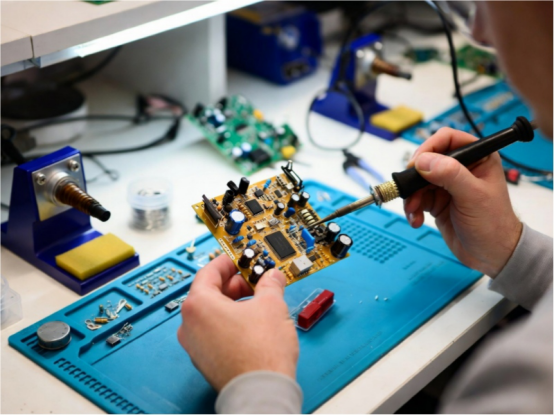
Overseas PCB assembly sourcing becomes difficult when the buyer cannot see the factory floor, confirm component handling, or solve engineering questions in the same time zone. A reliable process turns that distance into a managed workflow instead of a daily uncertainty.
Reliable Sourcing Starts with Complete Build Data
A supplier can only quote and build accurately when the engineering package is complete. Gerber files, drill data, BOM, centroid or pick-and-place file, assembly drawings, test requirements, finish choice, solder type, and packaging needs should be reviewed before price becomes the main discussion.
PCBA Store separates online quoting from sales-assisted review and asks for complete PCB files, BOM, centroid data, and other assembly information before turn-time begins. This discipline helps a PCB source factory for overseas customers avoid schedule promises based on incomplete data.
The same information also helps the buyer judge whether a quote is comparable. Two suppliers may return different prices because one included PCB fabrication, component sourcing, inspection, stencil work, programming, or packaging while another quoted only placement labor.
Buyer question | Why it matters | Evidence to confirm |
Can the supplier build the board? | Capability mismatch causes delay or redesign | Layer count, size, copper, component pitch, and assembly type |
Can parts be sourced reliably? | Substitution risk affects function and compliance | Turnkey, kitted, or partial turnkey policy |
Can defects be detected? | Hidden joints need suitable inspection | AOI, X-ray, ICT, and functional test options |
Can timing be trusted? | Overseas logistics amplify delays | Build-time trigger and shipping plan |
Capability Review Should Match the Product
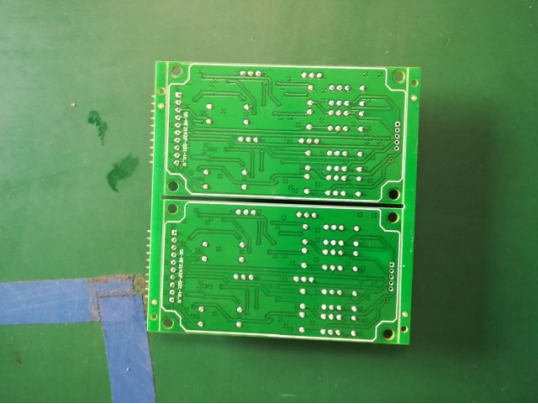
A supplier's capability list is useful only when it matches the product's real constraints. Industrial controllers may need stable quality and functional test; medical electronics may require cleaner documentation and careful inspection; drone and robotics boards may need low weight, vibration resistance, and compact assembly.
PCBA Store supports SMT, through-hole, mixed technology, single- or double-sided placement, lead-free and leaded soldering, no-clean process options, turnkey, kitted, and partial turnkey assembly. These choices let overseas buyers align service scope with actual sourcing risk.
Capability review should include PCB fabrication limits as well as assembly limits. Layer count, copper weight, board size, minimum line width, component pitch, and inspection method all affect whether the same supplier can manage the full build without handing risk to another vendor.
Prototype confirmation
Prototype orders should confirm manufacturability, component fit, solderability, test coverage, and packaging assumptions before the design moves to higher volume. Small quantities are useful when they answer a clear engineering question.
Production readiness
Production readiness depends on repeatable files, approved alternates, process controls, inspection results, and logistics planning. A board that passed once still needs documentation that lets it pass repeatedly.
Inspection and Communication Reduce Distance Risk
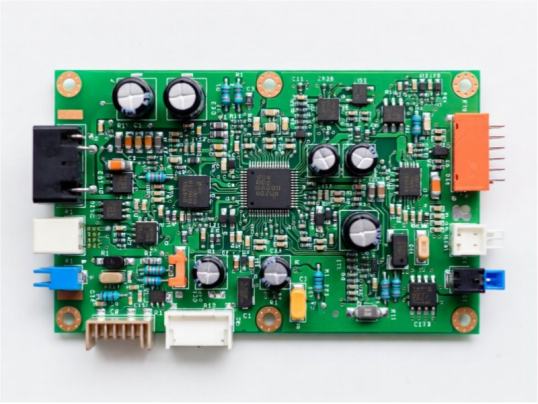
Distance increases the value of clear inspection planning because overseas buyers cannot walk over to the production line when a question appears. Visual inspection, AOI, X-ray, ICT, and functional testing should be selected based on package type, defect risk, and end-use criticality.
A practical PCBA manufacturing for overseas customers workflow defines who approves component alternates, who supplies test procedures, how defects are reported, and what evidence is needed before shipment. PCBA Store's capabilities include AOI, X-ray inspection, ICT, and functional testing following customer procedures.
· Confirm whether parts are turnkey, kitted, or partially turnkey before quoting.
· Provide polarity, revision, firmware, and functional test notes with the engineering package.
· Ask how BGA, QFN, and fine-pitch components will be inspected.
· Define packing and shipping expectations before the final production release.
Cost Should Be Read with Scope
The lowest assembly price may exclude component sourcing, PCB fabrication, stencil cost, testing, fixture work, programming, packaging, or engineering review. Overseas buyers should compare scope before comparing the final number, especially when the product has fine-pitch parts or special process needs.
Logistics should also be treated as part of scope. Packaging, shipment method, declared quantity, delivery address, and post-arrival inspection plan determine how quickly the buyer can move from production completion to product validation.
Communication cadence matters during first builds because small questions can stop assembly. A useful supplier should confirm unclear BOM lines, polarity questions, approved alternates, panel handling, and test fixture needs early enough for the buyer to answer without losing the production slot.
Documentation also protects future reorders. Revision control, approved component alternates, inspection notes, and test results make the second order easier to repeat and reduce the risk that a successful prototype becomes a different production build.
PCBA Store offers PCB fabrication, component sourcing, PCB assembly, and box-build assembly as part of a one-stop EMS path. For buyers comparing reliable PCB assembly services, the better question is whether the quoted service covers the risk points in the design.
Summary for Overseas PCB Assembly Buyers
A reliable overseas sourcing decision combines complete files, product-matched capability, controlled component sourcing, meaningful inspection, clear communication, and realistic lead-time rules. Buyers should treat price as one output of a defined scope, not the first filter.
For overseas teams building industrial, medical, robotics, drone, or AI electronics, PCBA Store can review PCB fabrication and PCB assembly requirements before prototype or production release.
FAQ
What files should overseas buyers send for PCB assembly?
Buyers should send Gerber files, drill files, BOM, centroid or pick-and-place data, assembly drawings, test requirements, quantity, solder preference, and any packaging notes.
Is turnkey PCB assembly better for overseas buyers?
Turnkey assembly can reduce coordination work when the supplier manages parts, but buyers still need approval control for substitutions, lifecycle risk, and critical components.
How can buyers judge a PCB assembly supplier in China?
Buyers should check capability fit, inspection methods, component sourcing policy, communication response, file review discipline, lead-time rules, and experience with similar applications.
Why does turn-time depend on complete files and parts?
Assembly cannot start reliably until files are complete and parts are ready, because missing data can stop placement, inspection, programming, or functional testing.
What inspection is useful before shipment?
Useful inspection depends on the design, but many assemblies benefit from visual inspection, AOI, X-ray for hidden joints, ICT, and customer-defined functional testing.
Previous article:How to Scale a PCB Prototype to Mass Production



