General, quoting & support.
Add: Building E, No.58, Nanchang Road, Xixiang , Baoan District Shenzhen City, Guangdong, China
Tel : 0755-27348887
Fax : 0755-27349876
E-mail : svc@pcbastore.com

Maximize Your Production Efficiency with Turnkey PCB Assembly Solutions
PCBA Store / 2026-03-13
Contents [hide]
Understanding Turnkey PCB Assembly
Defining Turnkey PCB Assembly
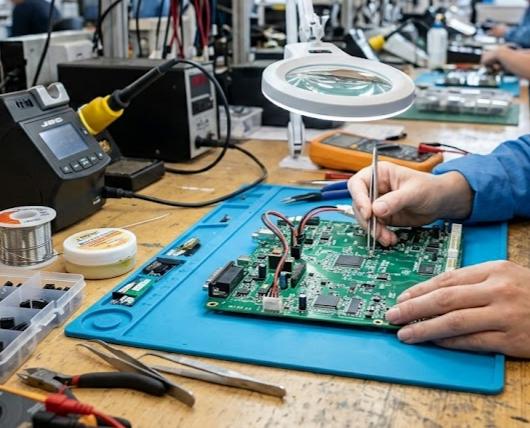
Turnkey PCB assembly means a complete service where one supplier handles all parts of printed circuit board creation. This includes sourcing parts, making the boards, putting them together, and checking them. Such a method removes the hassle of dealing with many suppliers. It creates a smooth process from idea to finished product. In a full turnkey assembly, the maker takes care of everything, like buying parts, building boards, and doing the final setup. On the other hand, partial turnkey lets customers provide some parts or supplies, while the supplier deals with the remaining work.
PCB assembly forms a vital part of electronics making. It turns plain boards into ones filled with parts that work as planned. Using a full turnkey PCB assembly service helps makers get boards ready for use. They avoid extra planning or handling shipments.
The Role of Turnkey Assembly Services in Electronics Manufacturing
Turnkey assembly services bring together design, building, and checking in one place. This setup lets turnkey electronics manufacturing suppliers improve talks and cut down on errors between steps. A one-stop PCBA turnkey solution makes things easier. It offers design checks, part buying, SMT/THT setup, and quality tests all in one system.
Time matters a lot in your work, and PCBA Store understands that. PCBA Store is a PCB assembly company that gives quick, error-free outcomes each time. This idea shows how turnkey suppliers boost speed by linking all tasks in a single flow.
Advantages of Turnkey PCB Assembly Solutions
Cost Efficiency and Streamlined Operations
A main plus of turnkey PCB assembly is its savings on money. Bringing several steps under one supplier cuts down on extra costs from managing vendors and moving goods. Simple processes lower repeat expenses, like transport between sites or extra checks. For instance, turnkey PCBA service China suppliers use solid networks to get parts at good prices. At the same time, they keep strong quality checks.
Our full PCB assembly services come with skilled engineering help at each stage. This ensures high standards in every board. Such a combined method leads to lower running costs and better steady output.
Accelerated Time-to-Market
Full turnkey solutions cut production times a lot. They do this by matching up buying, building, and setup tasks. Rather than waiting for parts from various places, the supplier's own chain provides materials right away. Quick work gives a strong edge, mainly in areas like consumer gadgets or car parts. There, new ideas come fast and often.
Machines allow non-stop work without people watching. Yet, lower worker costs come with higher upfront spending on gear. When paired with tools like pick-and-place devices and reflow soldering setups, wait times drop from weeks to just days.
Enhanced Quality Control Measures
Quality checks stand at the heart of any turnkey pcb manufacturing and assembly process. Suppliers use set inspection steps. These include AOI (Automated Optical Inspection), X-ray views for BGA parts, and functional circuit testing (FCT).
Automated Optical Inspection systems follow IPC610-D rules for each part. This avoids issues with soldering. Such steady reviews make sure every board hits IPC-A-610F levels before it ships. Ongoing watches through all steps stop flaws from moving forward. As a result, boards become more dependable, and buyers feel happier.
The Turnkey PCB Assembly Process Explained
Initial Design and Documentation Review
Engineers start with a close look at the design before making a start. They spot possible problems early. Key papers include Gerber files, Bill of Materials (BOM), centroid files for pick-and-place setup, and setup drawings.
You need to gather a full bill of materials too. It lists every part needed, their labels, specs, amounts, and other key details for buying. Good papers lead to right price quotes and smooth planning.
Component Sourcing and Procurement Strategies
A key feature of turnkey assembly is focused buying control. Suppliers keep ties with reliable sellers to get real parts fast. They also steer clear of fake ones. One buying spot cuts delays from split chains.
PCBAStore runs a strong and useful parts buying system. It supports the turn-key of PCB assembly at low prices. This skill lets firms like ours promise tracking and cost savings throughout the buying process.
Fabrication and Assembly Techniques
Turnkey pcb assembly blends surface mount technology (SMT) and through-hole technology (THT) based on what the product needs. SMT gives exact placement for small designs. It uses auto pick-and-place machines, then reflow soldering ovens.
SMT changed electronics setup by letting parts sit right on surface spots, not through holes. THT suits parts that need strong holds, like plugs or changers. It uses wave soldering for lasting bonds.
Selecting the Right Turnkey PCB Manufacturer
Criteria for Choosing a Reliable Partner
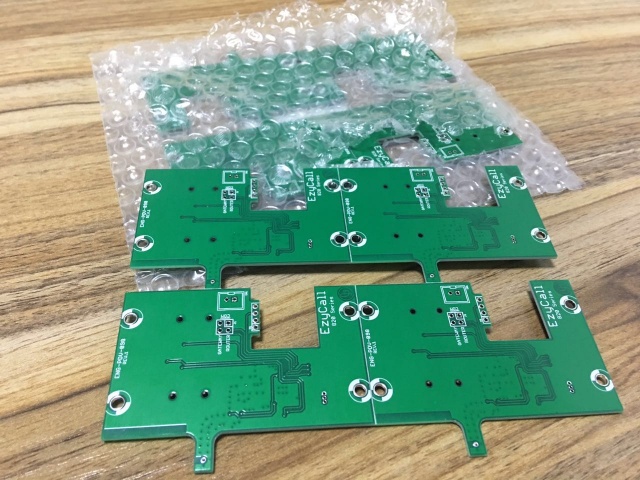
When picking a China PCB turnkey assembly supplier, think about things like skill level, gear options, certifications (ISO9001:2015), wait times, and support after sale. Past work with tough setups, such as HDI or BGA boards, shows a grown process.
With more than 15 years of honing our skills, PCBA Store has gained a name as a solid source of top PCBA options. A good name from steady delivery often signals trust in this area.
Evaluating Capabilities and Flexibility
The best partner gives growing solutions that fit both small test runs (turnkey prototype assembly) and large batch making. Check if they give DFM (Design for Manufacturability) tips in early design times. This shows a team-based engineering style that cuts expensive changes later.
Why Opting for Turnkey PCB Assembly is Beneficial
Simplifying Supply Chain Management
A one-stop pcba turnkey solution puts many steps into one deal. This makes watching suppliers much easier. Makers skip separate links for building sites or shipping help. All moves through one responsible group.
Our full services cover PCB prototype building, electronic parts buying, PCB setup, and box build setup in one spot. This linked setup lowers admin work. It also boosts teamwork across teams.
Risk Mitigation and Issue Resolution
Turnkey suppliers handle risks ahead by doing checks on incoming goods (IQC), step reviews, and live flaw tracking in runs. Early finds stop breakdowns before they grow into big recalls or on-site problems.
Different testing methods apply to built boards before final shipping. These include visual checks, AOI Testing, X-ray Inspection, and Functional Circuit Testing. Such step-by-step testing plans keep product strength in varied uses, from factory automation to medical devices.
FAQs about Turnkey PCB Assembly Solutions
What distinguishes full turnkey from partial turnkey services?
Full turnkey means the manufacturer manages everything, from sourcing parts to final testing. In contrast, partial turnkey allows clients to supply some materials themselves while outsourcing remaining tasks.
How does turnkey PCB assembly service accelerate project timelines?
All stages happen within one facility under unified scheduling control. Thus, there are fewer logistical handoffs or waiting periods between suppliers. This reduces total lead time significantly.
Why choose a turnkey PCBA supplier China over local assemblers?
Chinese suppliers often combine advanced automation infrastructure with economies of scale. They deliver high-quality output at globally competitive prices. Precision and reliability stay intact.
Can small businesses benefit from turnkey prototype assembly?
Yes. Many providers offer low-volume prototyping options. These enable startups to validate designs quickly before scaling up mass production. This saves both time and capital investment.
What quality assurance methods are standard in turnkey assembly?
Standard QA includes AOI inspection per IPC standards, X-ray verification for hidden joints like BGAs, functional circuit tests (FCT), plus optional environmental stress screening depending on end-use requirements.
You Might Like:
High Frequency PCBs - PCB Prototype the Easy Way
How to Find a Reliable Quick Turn Low-Volume PCB Assembly Supplier
Flexible PCB Manufacturing Process: How to Fabricate
Looking for PCBA companies that accept orders as small as 1 piece with no minimums



