General, quoting & support.
Add: Building E, No.58, Nanchang Road, Xixiang , Baoan District Shenzhen City, Guangdong, China
Tel : 0755-27348887
Fax : 0755-27349876
E-mail : svc@pcbastore.com

Medical PCBA And Its Applications
PCBA Store / 2026-01-02
Contents [hide]
Medical PCBs stand as some of the most vital parts in today’s healthcare tools. They help run everything from life-saving diagnostic machines to cutting-edge treatment devices. Creating, building, and putting together these boards needs very high accuracy and tough rule-following. As medical gadgets grow smaller, smarter, and always connected, the job of trusted high-quality medical PCBA manufacturers has become more crucial than ever.
This full guide covers every side of medical PCBA — from what it means and key design points to actual making steps and required rules — while helping design teams and buying managers spot truly capable partners. PCBA Store, a top ISO 13485-certified manufacturer and factory located in Shenzhen, offers complete turnkey medical-grade PCB assembly with fast sample-making and full-scale production skills.
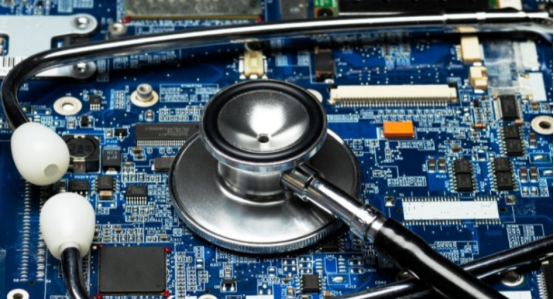
Overview of Medical PCB Assembly
Medical PCB assembly (PCBA) means the whole task of placing and soldering electronic parts onto a printed circuit board made and checked specially for medical use. These ready boards bring together resistors, capacitors, microcontrollers, sensors, and other pieces into working circuit systems that handle important healthcare jobs.
Unlike normal consumer or factory electronics, medical PCBA works under much tighter rules for dependability, tracking, and safety. Even one bad solder spot can cause big problems in hospitals or clinics. Every step — from getting parts to final checks — follows written rules that put patient safety and legal needs first.
Medical PCB vs Medical PCBA
A simple difference exists between medical PCB and medical PCBA, even if people sometimes mix the terms.
A medical PCB is just the empty board before any parts go on. It only has the base material, copper paths, solder mask, and printed labels. Workers make it with medical-level specs using materials that handle cleaning, high moisture, and long-lasting performance.
Medical PCBA, however, is the fully loaded and soldered board ready to go inside the final medical product. This finished unit has gone through SMT or THT steps, cleaning, checking, testing, and often protective coating or filling for extra safety against the environment. Only the finished PCBA gives real working power inside the medical system.
Medical PCB and Its Role in Medical Devices
Medical PCBs act like the main nervous system for almost all electronic medical tools. They give steady power spread, fast signal movement, good heat control, and shielding against electrical noise that every accurate device needs in hospitals, clinics, or home care.
The whole medical device often works only as well as its PCB quality allows. Bad path design can add noise that hurts test results. Weak heat planning may make parts fail early. Even tiny flaws in plating or holes can create long-term trouble in devices placed inside the body or ones that keep patients alive.
PCBAs for Medical Devices
Medical PCBA brings power to many healthcare breakthroughs:
· Diagnostic tools like ultrasound machines, X-ray systems, MRI, and CT scanners need complex multilayer boards to handle huge data flows without any mistakes.
· Patient monitoring gear such as ECG machines, pulse oximeters, and wearable vital-sign trackers rely on low-power, super-accurate assemblies for non-stop work.
· Treatment systems including pacemakers, defibrillators, infusion pumps, and ventilators demand top reliability and often tiny size that only modern PCBA methods can deliver.
· Medical aesthetic devices like laser treatment systems and RF skin-tightening equipment require steady power and exact control circuits.
Design and Consideration of a Medical PCBA
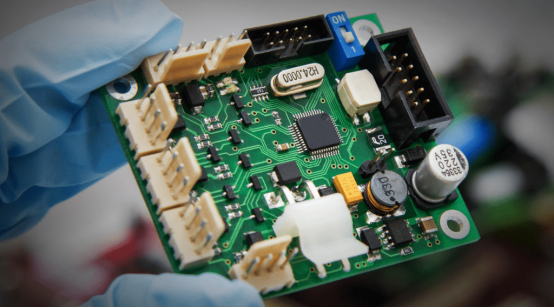
Creating medical PCBA requires much more than usual electronic design rules.
Complexity and Precision
Medical devices often need 8–20+ layer boards with blind/buried vias, controlled impedance traces, and micro-vias as small as 0.1 mm. Path width and gaps frequently drop below 4/4 mil to cut electrical noise while packing more parts. Heat control gets extra focus through copper areas, thermal vias, and metal-core bases when needed.
Component Selection
Every part must come from suppliers who follow medical-quality systems. Designers pick pieces with proven long-term data, very low failure rates, and full material details. Parts often must survive repeated autoclave cycles, chemical cleaning, or years inside the human body.
Manufacturing Process of a Medical PCBA
Medical-grade assembly follows a carefully controlled order:
1. Bare PCB fabrication using high-Tg or polyimide materials
2. Solder paste printing with 3D SPI inspection
3. High-precision SMT placement (accuracy ±0.025 mm)
4. Multi-zone reflow with nitrogen atmosphere
5. Through-hole soldering via selective or wave methods
6. Automated optical inspection (AOI) and X-ray for hidden joints
7. Ionic contamination testing and thorough cleaning
8. Conformal coating or epoxy potting when required
9. Comprehensive functional testing and burn-in
10. Final traceability marking and packaging in ESD/Moisture barrier bags
Surface-mount technology (SMT) leads modern medical work because it saves space, while through-hole technology (THT) stays important for connectors and strong power parts that need solid mechanical support.
Quality checks happen during every step plus final electrical tests, stress testing, and full paperwork needed for rule approval.
Medical PCBA Regulatory Requirements
Medical PCBA manufacturers must meet several strict standards: ISO 13485 sets the quality management system built just for medical devices. It covers risk control, design rules, supplier checks, and full tracking from raw material to finished board.
IEC 60601 series handles safety and key performance of medical electrical equipment, including electrical, mechanical, and heat risks.
FDA 21 CFR Part 820 (for U.S. market) requires design history files, device master records, and tight change control.
IPC Class 3 standards set the highest acceptable levels for solder joints, plating thickness, and cleanliness needed for life-support products.
Conclusion
The future of healthcare rests on ever-smarter, more dependable, and smaller medical PCBA. As devices add AI, wireless links, and better sensors, the difficulty and performance needs for PCB assemblies will keep rising.
Working with an experienced, ISO 13485-certified manufacturer brings not only technical wins but also smooth rule approval and lasting field performance. PCBA Store runs as a direct manufacturer, supplier, and factory with full in-house skills from SMT lines to X-ray and flying probe testing. It delivers medical-grade PCBA that meets the toughest global rules while providing quick samples and flexible production amounts.
FAQ
What makes medical PCBA different from regular PCB assembly?
Medical PCBA uses stricter part choices, process checks, tracking, and testing rules under ISO 13485 and IEC 60601 to keep patients safe and meet legal demands.
Why is ISO 13485 certification non-negotiable for medical projects?
It shows the manufacturer has built a quality system made specially for medical devices. This includes risk management and full tracking that FDA, EU MDR, and other regulators demand.
Which medical devices most commonly require high-reliability PCBA?
Implantable devices (pacemakers, neurostimulators), life-support equipment (ventilators, defibrillators), diagnostic imaging systems, and patient-worn monitors need the highest standards.
How quickly can medical PCBA prototypes be delivered?
Certified manufacturers regularly deliver 1–10 pcs prototypes in 3–7 days. They also offer 24–48 hour fast options for urgent work.
What testing is mandatory for medical PCBA?
Common tests include AOI, X-ray, ICT, functional testing, thermal cycling, humidity testing, and ionic contamination checks to meet IPC Class 3 and regulatory rules.
Launch Medical Projects with a Trusted Factory Partner — PCBA Store
Medical device companies want more than just a supplier. They need a real manufacturing partner who knows regulatory rules, gives fast samples, and grows easily to large production.
PCBA Store owns its own ISO 13485-certified factory in Shenzhen with full control from start to finish: 12 high-speed SMT lines, nitrogen reflow, 3D AOI/SPI/X-ray, flying probe, and functional test development skills. No minimum order quantity, free DFM review, 24-hour quick-turn prototypes, and complete turnkey service including component sourcing and box-build.
Get an accurate medical PCBA quote in minutes — simply visit https://www.pcbastore.com/online_quote.html, upload Gerber files and BOM, and receive pricing with full technical feedback. Contact the engineering team directly at svc@pcbastore.com or +86-755-27348887 to discuss your project requirements today. Turn ideas into certified, market-ready medical devices faster and more reliably with PCBA Store.
You Might Like:
What Is a Medical PCB and How It Powers Modern Healthcare Devices
Medical PCB Assembly Services: Capabilities Every Supplier Must Offer



