General, quoting & support.
Add: Building E, No.58, Nanchang Road, Xixiang , Baoan District Shenzhen City, Guangdong, China
Tel : 0755-27348887
Fax : 0755-27349876
E-mail : svc@pcbastore.com

The Power of Miniaturization How Surface Mount Technology is Transforming Modern Electronics
PCBA Store / 2026-01-03
Contents [hide]
Surface-mount technology (SMT) has become a key part of how electronics are built today. It helps make devices smaller, faster, and better. With this method, parts sit right on top of the printed circuit board (PCB). This is different from the old way that used long wires pushed through holes. SMT lets companies put more parts in less space. It also makes building things quicker and easier with machines. Manufacturers like PCBA Store, with their strong skills in one-stop PCB fabrication and assembly, show clearly how SMT keeps pushing new ideas in electronics.
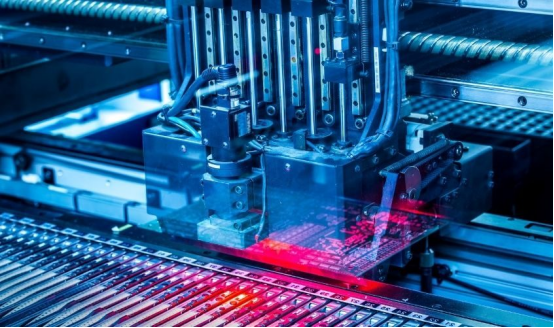
How is Surface Mount Technology Different from Through-Hole Technology?
Surface Mount Technology (SMT) and Through-Hole Technology (THT) are the two main ways to attach electronic parts to PCBs. Each way works differently. These differences affect design, building speed, and where they work best. SMT places parts straight onto the board surface. This creates tight, packed layouts. It also allows many parts in a small area. Machines pick and place the parts automatically. Then reflow soldering melts the connections. This speeds things up and uses less material. On the other hand, THT needs leads pushed through holes. Workers or machines solder them on the back side. That makes very strong joints. Those joints handle shaking or heavy stress well.
The differences go further. They touch speed and growth too. SMT uses parts with almost no leads or very short ones. That keeps signal paths tiny. It cuts down extra inductance and capacitance. Because of that, SMT works great for fast radio-frequency jobs like RF circuits. Yet THT still shines when things must stay tough. Think of planes or early test models that people fix by hand. SMT rules most big-selling items like phones and smart watches. It saves time and money there. THT stays useful for special, small-batch work where shaking or heat matters most. Many boards mix both methods. That way designers get the best from each.
When to Use Surface Mount Technology?
Surface Mount Technology works best when the goal is small size, fast machine building, and strong performance in tight spaces. It is perfect for light, easy-to-carry gadgets. Smartphones, tablets, and fitness bands are good examples. Every tiny bit of saved space means thinner designs and longer battery life. Machines love SMT. That makes it necessary for factories that make thousands of units fast.
Fast-signal circuits gain a lot from SMT too. Short leads cut noise and delay. This raises speed in phone networks and computers. Multi-layer boards become easier because there are no big holes blocking paths. Money gets saved through quick machines and less hand work. This matters most when huge numbers roll out each day.
Advantages of Surface Mount Technology
Surface Mount Technology brings big wins that have made it the top choice for today’s electronics factories. These good points cover size, building speed, and how well things work. Together, they help create devices that were hard or impossible before.
Reduced Size and Weight
The strongest win of SMT is making everything much smaller. Parts have no long wires. Because of that, they take far less room—often 60% to 70% less than old-style parts. Some designs even reach 90% smaller size. Weight drops a lot too, usually 60% to 80% lighter. This helps build super-small trackers and medical implants. Users feel the comfort. Shipping and material bills go down as well.
Higher Component Density
SMT lets designers squeeze more parts into every inch. That means complex gadgets fit in tiny cases. Think of layered sensors in watches or car control units. Parts can connect in many more ways than before. Circuits grow richer without bigger boards. This pushes forward new tech like edge computers and 5G gear.
High-Frequency Performance
Small circuits from SMT run faster and cleaner. Short paths cut unwanted effects. Radio noise stays low. Devices handle super-high speeds in radar or home Wi-Fi routers. Signal quality stays strong. Speed and bandwidth rise. That matters for anything needing quick, clear data.
Automated Assembly
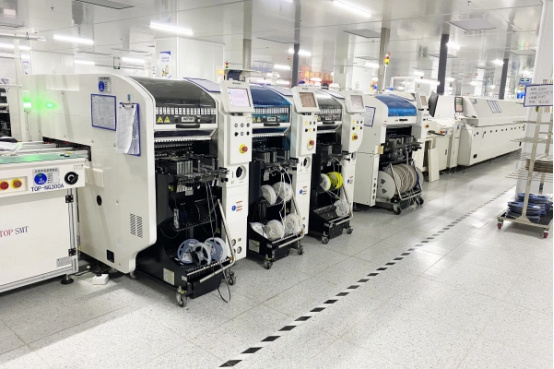
Robots love SMT. Pick-and-place machines can set more than 136,000 parts per hour. Labor cost falls sharply. Every board looks the same. Defects drop. Factories can build just what customers need right away. New phones hit stores quicker.
Low Materials Cost
Newer packages and smarter machines keep money spent low. Less wrapping material gets used. Waste shrinks. Same job done with SMT usually costs 20% to 30% less. Even schools and cheap smart devices can use it.
Enhanced Reliability and Versatility
Both sides of the board can hold parts. No holes block inner layers. Designers gain freedom. Boards last longer with less stress. Stacks can reach 40 layers when needed. Mixing SMT and THT works smoothly when extra strength is required.
All these strengths make SMT the engine behind newer, better electronics.
Disadvantages of Surface Mount Technology
Even with its strong points, Surface Mount Technology has some real challenges. Designers and factories must think about them carefully.
· Limited Power Handling: Tiny parts cannot carry big power easily. Extra cooling is needed for strong power supplies.
· Fragility of Components: Small SMDs break more easily if dropped or heated wrong. Careful handling and trained people matter.
· Demand for Specialized Equipment: Good soldering machines cost a lot at first. Tiny mistakes can ruin whole boards.
· Challenges in Manual Prototyping: Hand soldering takes time and steady hands. Magnifying glasses often help.
· Process Complexity: So many small joints mean more things can go wrong. Workers need good training.
· Inspection Difficulties: Hidden joints are hard to see. Factories use X-ray or special cameras, which adds cost and time.
When parts get extremely small, fixing or studying boards gets harder. Good planning from the start helps avoid most problems.
SMT Assembly Process
The SMT assembly process is a careful series of steps. It turns bare boards and loose parts into working circuits. Machines and people work together at every stage.
1. Component Placement: Fast robots from companies like Panasonic or Yamaha grab tiny parts. They place resistors, capacitors, and big chips exactly where they belong. Machines handle sizes from 01005 up to large BGAs.
2. Solder Paste Application: A printer pushes solder paste through a metal stencil onto the pads. Then a camera system checks every dot of paste.
3. Component Soldering: The board rides through a reflow oven. It warms slowly, then gets hot enough to melt the solder (220-260°C), and finally cools. Strong joints form without hand touching.
4. Inspection and Testing: Cameras look for bad placements. X-ray checks under big chips. Electrical tests make sure everything works right.
Factories follow IPC-A-610 rules. Most boards come out perfect the first time.
Common Surface Mount Device Packages
Surface Mount Devices come in standard shapes. Each shape fits certain jobs.
For passive components like resistors, capacitors, inductors, and LEDs:
· 0201 (0.6mm x 0.3mm): Super small for hearing aids and tiny sensors.
· 0402 (1.0mm x 0.5mm): Common in phones; easy enough to handle.
· 0603 (1.6mm x 0.8mm): Good all-around size; works even when soldering by hand.
· 0805 (2.0mm x 1.25mm): Handles more power for audio boards.
· 1206 (3.2mm x 1.6mm): Used when current is higher.
For integrated circuits (ICs), packages include:
· SOIC (Small Outline Integrated Circuit): Simple leads, easy to check.
· TSSOP (Thin Shrink Small Outline Package): Very thin for tight spaces.
· QFP (Quad Flat Package): Leads on all four sides.
· TQFP (Thin Quad Flat Package): Lower height for portable gear.
· LQFP (Low-profile Quad Flat Package): Extra thin for wearables.
· BGA (Ball Grid Array): Hundreds of balls underneath for powerful chips.
Engineers pick the package that matches pin count, heat needs, and board room.
Soldering Techniques Employed in SMT
Two main ways join parts in SMT work.
Reflow Soldering is the most common. Paste goes on first. Parts sit on top. The whole board slowly heats in an oven (preheat → soak → reflow → cool). Solder melts and hardens perfectly. It works great for boards with parts on both sides.
Wave Soldering is used for mixed boards or simpler single-side jobs. The bottom of the board skims across a wave of hot liquid solder. It is fast for high volume but needs care with tiny parts.
Most complex modern boards use reflow because it gives fewer mistakes.
FAQs
What types of equipment are used in SMT?
Common equipment includes pick-and-place machines, reflow ovens, screen printers, and inspection tools like AOI and X-ray.
What is reflow soldering in SMT?
Reflow soldering melts solder paste inside a special oven. The board goes through different heat zones so joints form strong and clean.
How does SMT impact PCB design?
SMT allows tighter layouts and more layers. Designers must plan pads, heat escape paths, and easy building rules from the start.
What are the common defects in SMT, and how are they addressed?
Problems like tombstoning, bridges, or shifted parts happen sometimes. Better oven settings, cleaner stencils, and camera checks fix most issues.
Can SMT be used for all types of components?
Almost every part now comes in SMT style. Still, big connectors or very high-power parts often stay with THT for extra strength.
Elevate Your Electronics Manufacturing with PCBA Store
Companies that want trustworthy SMT PCB assembly choose PCBA Store. This Shenzhen-based manufacturer, supplier, and factory has 16 years of full-turnkey experience. Simply upload Gerber, BOM, and CPL files. Quotes start at $100 for 10-piece runs. There is no MOQ, free passive components, and 24-hour express service. They handle 0.4mm fine-pitch SMT, BGA work, and IPC Class 2-3 quality all under one roof. Reach out to svc@pcbastore.com or visit pcba-store.com to start prototypes and grow production fast.
You Might Like:
Demystifying Wireless Charger PCBA: The Heart of Cable-Free Power
Previous article:Medical PCBA And Its Applications



