General, quoting & support.
Add: Building E, No.58, Nanchang Road, Xixiang , Baoan District Shenzhen City, Guangdong, China
Tel : 0755-27348887
Fax : 0755-27349876
E-mail : svc@pcbastore.com

PCB Fabrication vs. PCB Assembly: What are the Key Differences
PCBA Store / 2025-12-10
Contents [hide]
Every electronics project depends on a strong base. That base starts with the printed circuit board (PCB). Moving through the details of PCB assembly services needs clear understanding. Know if the focus is on building the board or adding parts. Learning the main differences between PCB fabrication and assembly helps manufacturers and suppliers. They can better manage time, costs, and results. This full guide looks deeply into these steps. It uses industry rules to guide smart choices in electronics manufacturing.
What is PCB Fabrication?
img.What is PCB Fabrication.jpg
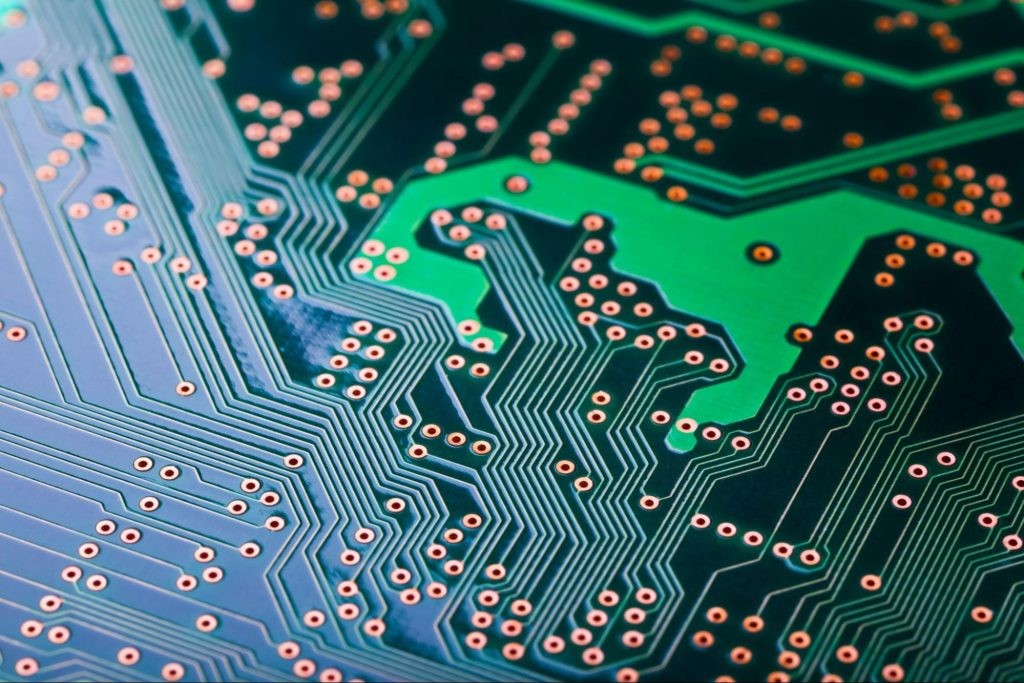
PCB fabrication is the starting step in electronics making. Here, the real shape of the printed circuit board is planned and built. This work turns design ideas into real boards. These boards can hold electronic parts. It uses different materials, layers, and surface finishes. This makes sure the boards fit many uses.
In short, printed circuit board fabrication begins with digital files. It moves through careful making stages. The result is a strong, empty board. This board gives the needed frame for signal paths and part fixing. It focuses on strong build to handle work pressures. Such pressures appear in areas like telecommunications and automotive systems. New fabrication ways allow for high-density interconnects (HDI). They also support rigid-flex designs. This meets current needs for small size and bendability.
Benefits of PCB Fabrication
PCB fabrication brings many good points. These points support trusty electronics growth. The gains go past simple board making. They help new ideas, quick work, and long life in making flows.
Customization
Fabrication lets exact changes of circuit boards. These changes match clear project needs. Choices cover layer numbers from 1 to 64. Board thicknesses change by millimeters. Copper weights reach up to 30 oz. Special materials include FR-4, polyimide (PI), aluminum, ceramic, or PTFE. This range is key for uses that need special electrical traits or strong build. It lets manufacturers match board details right to performance aims.
Durability
Boards made through strict fabrication rules show great strength. They fight well against nature challenges. Top substrates and controlled steps lower risks from heat changes, shakes, and wet air. In hard fields like aerospace and industrial automation, such strength means longer use time. It leads to fewer breaks and lower total costs for users.
Precision
Modern fabrication uses computer numerical control (CNC) tools. It also uses auto etching systems. This reaches accuracy at micron levels. Trace widths and spaces go as small as 2.5 mils. Via diameters drop to 4 mils. Layer matches stay within ±5 mils. This cuts signal problems. The exactness matters for high-frequency designs. Small errors there could hurt work.
Scalability
Fabrication sites adjust fast to amount changes. They handle from one prototype to million-unit runs. Quality stays the same. Flexible production lines help quick growth. Suppliers can shift from test stages to big fulfillment well. This fit supports just-in-time making common in consumer electronics.
The PCB Fabrication Process
The path from design to done board includes many exact tasks. Each task adds to the board's success.
1. Design and Material Selection Special software like CAD tools ends the PCB layout. It sets traces, pads, and vias. Materials are picked by heat move, dielectric values, and rule needs. FR-4 works for normal use. Rogers laminates suit RF applications.
2. Patterning and Etching Photolithography moves the design to copper-clad sheets. Then, chemical etching shapes conductive paths. This step keeps circuits clean and apart. It stops shorts.
3. Layering and Lamination Multilayer boards get aligned and joined under high heat and pressure. Prepregs help layers stick. Up to 40 layers can join. Options include blind or buried vias.
4. Drilling and Plating Exact drills make vias and mounting holes. Then, electroplating adds copper for flow. Laser drilling aids microvias as small as 0.075 mm in flex designs.
5. Solder Mask Application A polymer layer covers the board. It leaves only solder pads open. It shields traces. Colors come in green, black, or matte. This helps seeing and guarding.
6. Silkscreen Printing Part labels, polarity signs, and IDs get ink-printed. This aids tracking in assembly and fix.
7. Final Inspection Automated optical inspection (AOI) checks. Electrical tests and size checks confirm fit to IPC Class 2 or 3 rules. They spot flaws for rework.
This ordered way makes sure boards are set for next steps.
What is PCB Assembly?
img.What is PCB Assembly.jpg
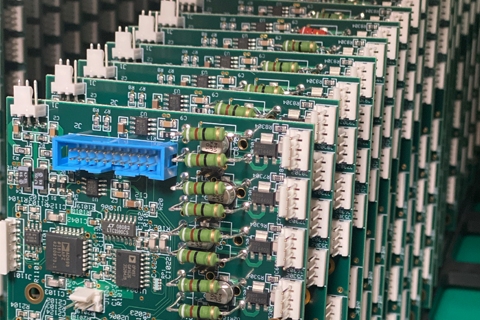
PCB assembly is the change stage. Here, made boards get electronic parts. They turn into working circuits. Known as printed circuit board assembly, this task fills the empty board with small and joined devices. It uses soldering methods.
From simple consumer items to complex medical tools, assembly makes sure parts face right and connect well. This brings electrical work. Current services include turnkey answers. Sourcing and placing happen inside. This simplifies making for OEMs.
Benefits of PCB Assembly
Assembly steps bring big savings. They boost product strength across the supply chain.
1. Component Integration Exact placing and soldering create strong electrical and build links. This lowers failure chances in high-trust uses.
2. Faster Prototyping Quick return—often 24-48 hours for fast runs—speeds check cycles. It allows changes without holds.
3. Automation Options Pick-and-place machines and reflow ovens give under-millimeter exactness. They support fine-pitch parts down to 0.4 mm. Packages like 01005 work too.
4. Cost-Effectiveness No minimum order quantities (MOQ). Free passive parts for small runs cut start costs. 99% on-time delivery lowers stock hold costs.
The PCB Assembly Process
Assembly happens in order, quality-checked steps. It makes working assemblies.
1. Solder Paste Application Stencil printing puts alloy-flux mixes on pads. It ensures even stick. SPI checks deposit right before placing.
2. Component Placement Fast robots set SMDs and THT parts. They handle up to 69,000 pins per board. Mixed-technology aids hybrid fills.
3. Reflow Soldering Conveyor ovens melt paste in zoned heat plans. Joints meet RoHS lead-free rules. Heat tracking watches evenness.
4. Inspection and Testing AOI finds odd parts. X-ray checks hidden BGAs. Function tests prove work with oscilloscopes and custom tools.
5. Through-Hole Soldering (if applicable) Wave soldering or select hand ways fix bigger parts. This fits connectors in shake-heavy spots.
Final Assembly
After soldering, cleaning removes left bits. Then, conformal coating adds guard. Packaging readies for send. This ends in ready-to-use PCBA units.
PCB Fabrication vs. PCB Assembly: A Comparative Guide
Telling these steps apart helps in resource use and vendor pick.
Aspect | PCB Fabrication | PCB Assembly |
Purpose | Produces the physical board structure | Integrates components onto the PCB |
Key Processes | Etching, layering, plating | Soldering, component placement |
Equipment Used | Drills, etching machines, laminators | Pick-and-place machines, reflow ovens |
Outcome | Blank circuit board | Fully functional electronic circuit |
These gaps show their order yet linked roles.
How Do PCB Fabrication and Assembly Work Together?
Joining fabrication and assembly improves full production. Shared design files make sure vias and pads match. In-house shifts cut handling mistakes. For example, made boards with built cavities ease BGA placing. This teamwork, often in one place, reaches 95% quote exactness. It gives under-week lead times. It cuts waste in lean making.
What to Choose? PCB Assembly or PCB Fabrication
Choice depends on project stage. Pick fabrication when making custom layouts or prototypes that stress strength. Assembly fits cases with current boards that need filling for work. It stresses speed and joining.
Conclusion
PCB fabrication and assembly build the core of electronics making. Fabrication sets the build base. Assembly brings it alive through part joining. Their joined steps, gains, and links drive quick, high-quality results. For manufacturers seeking a trusty partner, PCBA Store stands as a top factory. It offers full solutions from prototyping to mass production.
As electronics needs grow, smart picks in these steps raise market edge. PCBA Store, with its 18-year history in Shenzhen, gives ISO-certified fabrication up to 64 layers. It provides turnkey assembly with no MOQ. This empowers suppliers worldwide.
FAQ
What materials are commonly used in PCB fabrication?
Common materials include FR-4 for general applications, high-frequency laminates like Rogers 4350B for RF designs, and flexible substrates such as polyimide for bendable boards. Selection depends on thermal, electrical, and mechanical requirements.
How long does the PCB assembly process typically take?
Turnaround varies from 24 hours for express prototypes to 3-5 days for standard runs. It extends to 2-5 weeks for full turnkey orders including sourcing. Factors like volume and complexity influence timelines.
What quality standards apply to PCB fabrication and assembly?
Processes adhere to IPC-A-610 Class 2-3 for acceptability, ISO 9001 for management, and RoHS for environmental compliance. Inspections like AOI and X-ray ensure defect rates below 0.2%.
Can PCB assembly handle mixed SMT and THT components?
Yes, hybrid assembly supports both surface-mount (down to 01005 packages) and through-hole technologies. It uses automated placement and wave soldering for versatility in diverse designs.
What is the minimum order quantity for PCB services?
No minimum order quantity applies. It accommodates prototypes from one piece to high-volume production. This is ideal for startups and scaling manufacturers.
Partner with PCBA Store, Your Trusted PCB Factory
Electronics manufacturers and suppliers need a solid factory. It must streamline PCB fabrication and assembly without delays or hidden costs. PCBA Store, as a leading manufacturer and wholesale supplier, provides instant online quotes. It offers 24-hour express fabrication and turnkey PCBA services starting at $100 for 10 pieces—no setup fees or NRE charges. Upload Gerber and BOM files today at pcbastore.com/online_quote.html to receive a precise quote and launch production. Contact the team at svc@pcbastore.com or +86-755-27348887 to discuss custom requirements and secure your competitive edge.
You Might Like:
High-Speed PCB Assembly Process for High-Frequency PCBs
Why and How to choose proper surface finish type for your PCB



