General, quoting & support.
Add: Building E, No.58, Nanchang Road, Xixiang , Baoan District Shenzhen City, Guangdong, China
Tel : 0755-27348887
Fax : 0755-27349876
E-mail : svc@pcbastore.com

What is the Difference Between 4 Layer PCB and 6 Layer PCB?
PCBA Store / 2025-12-11
Contents [hide]
A 4-layer PCB has four separate conductive sections. Each section adds to the circuit’s work. On the other hand, a 6-layer PCB uses six sections. This setup boosts teamwork among parts and allows more detailed layouts. As gadgets become harder to build, 6-layer PCBs become key. They raise output, last longer, and work better. These boards shine in fast-signal tasks. They improve signal strength, cut down electromagnetic interference (EMI), and handle power spread well.
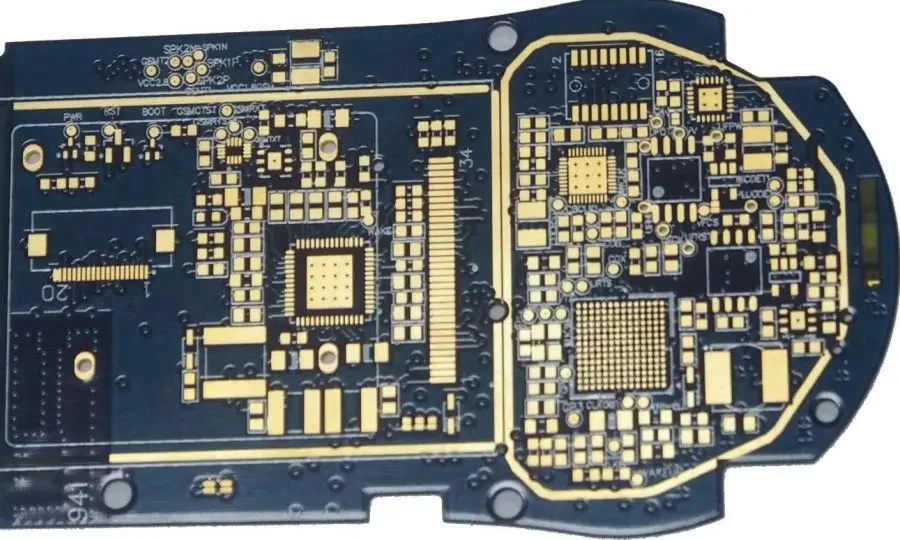
img.4 Layer PCB manufacturing and assembly factory.jpg
For trusted PCB answers, makers like PCBA Store offer full making and putting-together services suited to these multi-section needs.
BASIC STRUCTURE AND COMPOSITION
Four-Layer PCB STACK-UP
The stack-up of a PCB shows how conductive and insulating parts are placed. Designers pick this based on circuit needs. This choice affects electrical traits. So, exact layering is vital for best results. Working with skilled PCB makers ensures top quality and correct stack-up plans. This raises circuit strength.
Even small mistakes in stack-up can cause issues. These include electromagnetic interference, weak signal clarity, and crosstalk. A usual 4-layer PCB has these layers. Each one has a special job to increase trust and speed:
· Top Layer (Signal Layer): This outer part guides signals between parts. It holds most surface-mount and through-hole items. It makes fitting easy and helps signal paths.
· Inner Layer 1 (Power Plane): This layer spreads power to parts. It lowers EMI and resistance. It gives steady, quiet voltage.
· Inner Layer 2 (Ground Plane): It acts as a base for signals and a return for currents. This solid layer cuts noise and crosstalk. It boosts signal clarity. It also helps remove heat.
· Bottom Layer (Signal Layer): It is like the top layer. It offers more routing room and holds parts. It suits bigger items or longer paths.
4-layer PCBs give better functions and strong results in many electronic uses. They provide solid power spread, small high-speed layouts with less noise, and are common in daily gadgets like laptops, tablets, and smartphones. They offer exact work, low noise, and good signal clarity. In medical and factory control systems, they give steady action. Car areas, such as engine control units and advanced driver-assistance systems (ADAS), gain from their strength and speed. Communication tools like switches and routers get better signal clarity and lower EMI. In space and defense, 4-layer PCBs bring higher results, little noise, and strong trust.
Six-Layer PCB STACK-UP
A common 6-layer PCB stack-up has layers set for high results and hard circuit needs:
· Top Layer (Signal Layer): It guides part signals. It supports through-hole and surface-mount fits for smooth putting-together and sending.
· Inner Layer 1 (Ground Plane): It serves as a ground base. It removes heat, lowers noise and crosstalk, and keeps signal clarity.
· Inner Layer 2 (Signal Layer): This inner routing part eases crowding on outer layers. It allows complex signal paths.
· Inner Layer 3 (Power Plane): It spreads power well. It cuts resistance and EMI for steady, clean supply.
· Inner Layer 4 (Signal Layer): It gives more inner routing. It keeps clarity in hard setups.
· Bottom Layer (Signal Layer): It adds extra routing and placement choices on the back side.
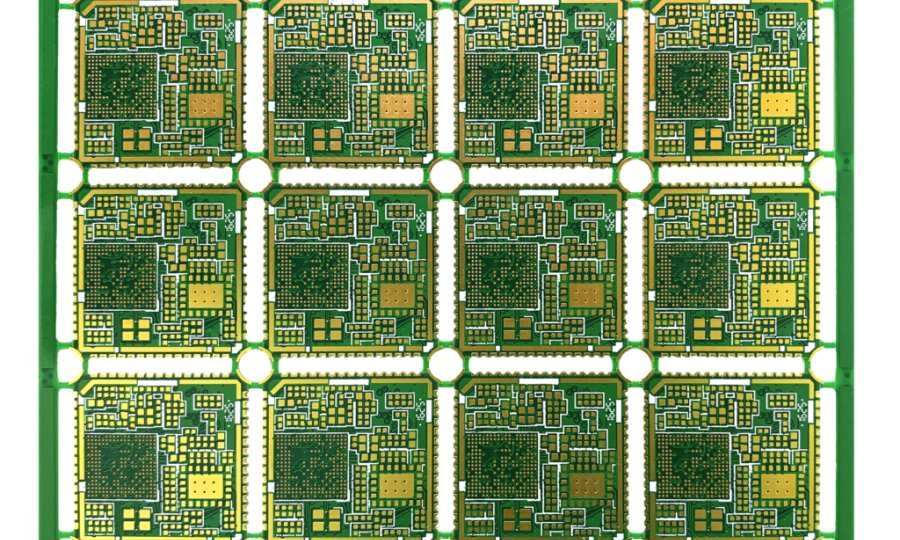
img.6-layer PCB manufacturing and assembly factory.jpg
6-layer PCBs show great range. They are used widely in electronic tasks due to their advanced skills and results. They are needed in fast digital circuits, such as computers, data servers, and gaming units. There, they ensure top signal quality and little crosstalk. In telecom gear, they manage high-frequency signals with low twist through wide switching. Medical, car, space, and defense tools, plus smartphones and wearables, use their trust and strong signaling. Modern control systems in factory automation and robots rely on these PCBs for exact signal limits and noise cut. This guarantees steady results across fields.
Electrical Performance and Signal Integrity
Both 4-layer and 6-layer PCBs focus on electrical results and signal clarity through smart layer plans. In a 4-layer setup, inner power and ground planes join outer signal layers. They control signal spread well. This curbs noise for trusted work. The structure handles resistance well. It lowers signal-twist factors.
A 6-layer PCB raises these traits with more ground and signal planes. It offers extra routing choices and set resistance. Added layers help in high-frequency, hard circuits. They further lower EMI.
Power Distribution
Good power spread keeps best electrical action. Separate power and ground planes in both setups cut voltage drops. They keep steady supply. The 4-layer PCB’s inner power-ground plan aids fast delivery to parts. In 6-layer plans, many well-placed planes improve spread. They slash resistance through better heat control. They support high-current items and curb electrical noise.
EMI (Electromagnetic Interference) Considerations
Lowering EMI ensures device trust and rules fit. Both PCB kinds use shielding, grounding, and layout ways to curb noise. In 4-layer boards, smart part spacing and fast-signal routing on outer layers cut emissions.
6-layer PCBs give better EMI shielding through extra ground and power planes for split. This lowers circuit weakness to resistance. These layers build strong walls against inner signal noise and outer fields.
Design Complexity and Flexibility
A 4-layer PCB fits tasks with medium design hardness. It balances signal routing with enough power-ground split. Though less bendy than higher-layer choices, it handles most plans without big limits.
6-layer PCBs handle advanced hardness via extra layers. These need exact thickness and resistance control. This allows smart layer split and routing. It boosts results. Added layers give more placement bend and EMI cut by giving space to ground, power, and signals.
Routing Space
4-layer PCBs use top and bottom layers for routing. Inner layers focus on power and ground. This works for usual tasks but limits choices in very hard cases. 6-layer boards spread routing across many signal layers. This eases crowding and supports set-resistance paths for fast signals.
Design Constraints
4-layer plans face limits in layer split and routing picks. They need careful planning to cut noise and boost clarity. 6-layer limits include hardness control and costs. Yet, they give much more range.
Layer Distribution for Different Functionalities
A 4-layer PCB usually has two signal layers, one power plane, and one ground plane. Inner planes help noise cut and power flow. Signals handle routing.
In contrast, 6-layer PCBs spread layers for more use: extra signal layers for wide routing, many power/ground planes for spread and EMI shielding, and set layers for resistance control. This boosts signal clarity and high-frequency results.
Choice between 4-layer and 6-layer PCBs depends on task needs. 4-layer boards shine in medium-hard cases. 6-layer types suit high-frequency needs with better clarity and EMI control.
Manufacturing Process: 4 Layer PCB vs. 6 Layer PCB
4 Layer PCB
1. Layer Preparation: Core stuff, often FR4, gets copper foil on both sides.
2. Drilling: Holes for through-hole parts and vias are exactly drilled.
3. Layer Alignment: Signal, power, and ground layers stack with prepreg insulators.
4. Lamination: Heat and pressure join layers in a press.
5. Etching: Chemicals take away extra copper to make traces and pads.
6. Plating: Copper plates holes for between-layer links.
7. Surface Finish: HASL or ENIG guards copper and helps soldering.
8. Silkscreen and Masking: Solder mask and marks set areas and signs.
6 Layer PCB
1. Additional Layer Preparation: Core and copper foils get ready for extra signal and power/ground layers.
2. Drilling and Layer Stacking: More vias and holes are drilled. Layers stack with added prepregs.
3. Multiple Laminations: Cycles join all layers firmly.
4. Sequential Lamination: Handles stack-up match to stop flaws.
5. Advanced Etching and Plating: Ways keep multi-layer clarity. Multi-step plating ensures links.
6. Complex Surface Finish: Special finishes meet high-frequency needs.
7. Additional Quality Checks: Checks confirm match, traces, and quality.
Thermal Management: Heat Dissipation in 4-Layer PCBs
Heat removal depends on part placement, plan, and copper planes. Inner planes move heat to outer layers for air cooling. Spacing stops buildup.
Thermal Management: Heat Dissipation in 6-Layer PCBs
Extra ground and power layers boost conduct and removal paths. Heat-sensitive parts near thermal vias to inner planes support higher-power uses and trust in heat-key settings.
Application Suitability
Ideal Applications for 4 Layer PCBs
· Consumer Electronics: Smartphones, tablets, basic computing.
· Industrial Controls: Automation, panels, monitoring.
· Low to Moderate Complexity Circuits: Focusing on cost savings.
Ideal Applications for 6 Layer PCBs
· High-Speed Digital Circuits: Computing, servers, communications.
· Complex Electronics: Medical, aerospace, automotive with clarity and heat needs.
· High Reliability Applications: Needing strong results and removal.
Cost Considerations
4 Layer PCBs
· Lower costs from simple steps and fewer layers.
· Cheap for large consumer and factory making.
· Less hardness cuts start and fix costs.
6 Layer PCBs
· Higher costs due to hardness and stuff.
· Worth it for advanced, fast, trusted tasks.
· Spending on quality gives long-term savings via fewer breaks.
Partner with a Trusted PCB Manufacturer and Supplier for Superior Multilayer Solutions
Electronics makers and suppliers seeking exact work in 4-layer or 6-layer PCB making and putting-together choose known factories like PCBA Store. As a top Shenzhen-based manufacturer and supplier with over 16 years of skill, PCBA Store gives one-stop answers. These include fast models, full assembly, and advanced skills up to 64 layers. Quick online quotes, no MOQ, and 99% on-time delivery ensure smooth fit into making lines.
Contact the sales team at svc@pcbastore.com to upload Gerber files and get good pricing today. Raise plans with PCBA Store’s skill in high-trust PCBs for automotive, medical, and industrial tasks.
You Might Like:



