General, quoting & support.
Add: Building E, No.58, Nanchang Road, Xixiang , Baoan District Shenzhen City, Guangdong, China
Tel : 0755-27348887
Fax : 0755-27349876
E-mail : svc@pcbastore.com

What to Expect From a Quality Rigid Flex PCB Manufacturer
PCBA Store / 2025-12-12
Contents [hide]
With plenty of choices available – and each one saying they are the top rigid flex PCB manufacturer – it can be tough to figure out who will really provide great quality, steady results, and solid skills. The best partner will turn your ideas into strong, top-notch boards. If not, you might face hold-ups, flaws, and pricey mistakes.
In this blog, you will discover just what to search for in a rigid flex PCB manufacturer. From help with engineering to checks on quality, we will guide you through the main points that make leading rigid flex manufacturers stand out.
img.top rigid flex PCB assembly manufacturer.jpg
Understanding the Role of a Quality Rigid Flex PCB Manufacturer
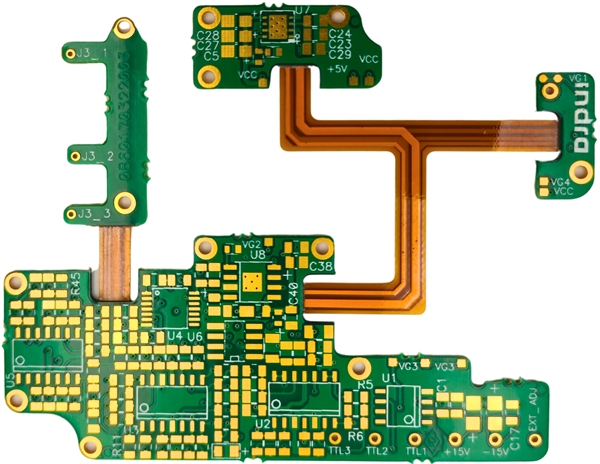
Rigid flex PCBs mix rigid and flexible layers into one single board. This setup allows for 3D shapes that save space and boost how things work. The building process includes many layers pressed together, exact placement of copper paths, and stuff like polyimide for flex parts plus FR-4 for rigid spots. It needs steady impedance, thin-line carving down to 2.5 mil traces, and fancy methods such as laser-drilled vias or heavy copper plating up to 3 oz.
A skilled manufacturer handles these parts to avoid usual problems. These include weak spots where flex meets rigid that hurt bend radius or strength against the surroundings. In important uses, like devices put inside the body for medical care or systems for planes, even small flaws can lead to big breakdowns, rules not followed, or products pulled back. Good providers use special steps, from checking designs to tests under stress, to keep things solid all the way through. This full method not only makes products more dependable but also smooths out supply lines for OEMs and contract manufacturers. It cuts down on repeats and speeds up getting to market.
What to Look For in a Quality Rigid Flex PCB Manufacturer
img.best rigid flex PCB assembly manufacturers.jpg
Picking the best rigid flex PCB manufacturers depends on clear strengths in many areas. Providers with strong, long-term skills show not only tech power but also the ability to change with new needs in the field.
Expertise and Experience
A history of more than ten years in making rigid flex means control over hard steps like building layers one by one and drilling to exact depths. Manufacturers that deal with 1-40 layer rigid flex boards, including HDI setups with microvias, prove the deep know-how for tricky shapes. This background leads to high success on the first try, often over 99%, and less need for changes. It helps electronics companies in both early models and big batches.
Certifications and Standards
Sticking to strict rules is the base for reliable making. ISO 9001 certification makes sure quality is managed in an orderly way. IPC-A-610 Class 2 or 3 following checks assembly skill for early models and high-trust uses. For special fields, extra proofs like IATF 16949 for cars or ISO 13485 for medical show focus on tracking, RoHS following, and stopping flaws. These marks lower dangers in world supply lines. They promise buyers steady results that fit export and safety rules.
Design and Engineering Support
Good teamwork starts with design for manufacturability (DFM) checks. There, engineers look at Gerber files and BOMs to spot possible troubles like impedance not matching or hot spots from heat. Providers that give free file fixes with tools like Altium Designer or CAM350 let clients improve designs soon. This cuts costs by up to 20% on changes. This active help goes to layouts with controlled impedance and picking materials. It makes sure rigid flex boards work under real bending and tough conditions.
Manufacturing Capabilities and Technology
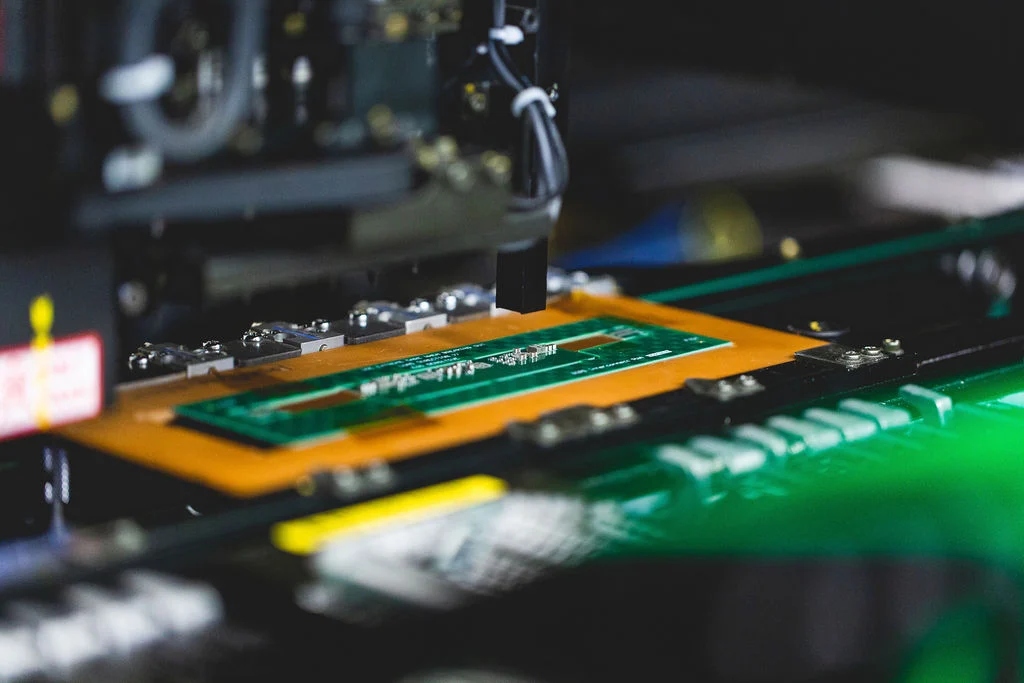
Modern plants set up for rigid flex making have automatic optical checks (AOI), laser direct imaging, and precise presses that hit ±0.1mm accuracy. Skills that cover symmetric/asymmetric builds, buried vias, and high-frequency stuff like Rogers substrates allow many uses, from items worn on the body to RF modules. Operations that grow easily—from 24-hour early models to making 1 million units—show range. With no minimum order quantities (MOQ), they fit new startups and big manufacturers the same.
Quality Assurance and Testing
Full plans protect from flaws. They include in-line SPI (solder paste inspection), X-ray for BGA voids, and functional circuit testing (FCT) that matches IPC standards. Heat cycles, checks on bend radius, and 100% eye inspections give boards with less than 0.2% complaint rates. This strictness, supported by 100% refunds for defects, builds trust in supply partners. It matters most for key tasks in defense or telecommunications.
Customization and Scalability
Custom fits, such as hybrid rigid-flex with parts built in or selective gold finishes, meet special project wants without slowing things down. Plants that handle shifts from small early runs (e.g., 10-piece starts at $100) to big assembly with SMT/THT lines make scaling smooth. This bendiness aids many fields, including robotics and industrial controls, where custom work sparks new ideas.
Customer Service and Communication
Clear talks, through 24/7 online sites for live tracking and set account managers, build lasting ties. Quick help that solves questions in 24 hours cuts breaks. Global sending via DHL promises 99% on-time arrival. This focus on clients makes work more predictable for B2B groups.
Questions to Ask When Vetting Rigid Flex PCB Manufacturers
Careful checks lift picking suppliers past simple looks. Deep questions show real depth and fit with project needs.
What is the Quality and Reliability Assurance Process?
Ask about full controls from start to end. This includes incoming quality checks (IQC) with oscilloscopes and microscopes, auto test sets, and final checks. Seek info on success rates (aim for >99%) and fix policies, like full refunds for mismatches. Certifications like ISO 9001 and IPC-A-610 give real proof of steady steps.
Can References or Examples of Similar Projects Be Provided?
Look for case studies or hidden-name collections that show rigid flex wins in close fields. Examples include multilayer HDI boards for medical imaging or flex-rigid mixes for automotive sensors. Reviews that point to repeat work and on-time results prove true value.
How Are Tight Timelines or Complex Designs Handled?
Check fast-turn rules, like 24-72 hour early models, and backup plans for design changes. Judge engineering role in DFM/DFA to stop issues early. Also, check room for quick growth without dropping quality. Providers with ERP scheduling and three-shift work shine here.
Why PCBA Store Stands Out as a Trusted Rigid Flex PCB Manufacturing Partner
PCBA Store shows these ideals with its all-in-one system. There, rigid flex making and assembly happen together in one place in Shenzhen, China. With 16 years in PCB manufacturing and 8 in assembly, the site—with over 300 workers, including 25% engineers—gives full solutions from design to box-build.
Steady quality runs through all work. It has ISO 9001 following, IPC Class 2-3 matching, and a 99.5% pass rate. Hard tests with AOI, X-ray, and FCT catch flaws. Free passive components for early models add worth.
Engineering strength shows in free DFM checks for 1-40 layer boards. It supports up to 69,000 PINs and 0.4mm pitches. Top tech, including YAMAHA SMT lines and laser drilling, deals with HDI, heavy copper (up to 3 oz), and high-frequency rigid-flex.
Growth marks range: no MOQ, 24-hour express making, and 12-hour assembly turns help from early models to million-unit runs. World access via DHL and safe sites eases B2B flows.
Great service, with 24/7 help and quotes >95% accurate right away, grows loyalty—shown by 100% repeat customers. This mix of exactness and quick response makes PCBA Store a key helper for electronics manufacturers.
Partner with a Rigid Flex Manufacturer You Can Trust
The risks in rigid flex PCB making call for partners that go beyond simple building. They bring new ideas, steady results, and smooth work. By focusing on the listed points—from certified skills to growth in custom fits—companies strengthen supply lines against stops and push product quality.
FAQ
What Makes Rigid Flex PCBs Superior to Traditional Rigid Boards?
Rigid flex PCBs join rigid and flexible parts for better strength in changing settings. They cut weight by up to 70% and allow complex 3D forms without connectors.
How Long Does Rigid Flex PCB Prototyping Typically Take?
Quality manufacturers give 24-72 hour turns for early models. It grows to 1-2 weeks for hard multilayer designs, based on layer count and test needs.
What Certifications Should a Rigid Flex Manufacturer Hold?
Key certifications cover ISO 9001 for quality control, IPC-A-610 for assembly rules, and field-specific ones like ISO 13485 for medical or IATF 16949 for automotive uses.
Can Rigid Flex PCBs Handle High-Frequency Signals?
Yes, with materials like Rogers substrates and controlled impedance limits of ±8-10%, they fit RF/microwave uses up to 40 GHz.
What Is the Minimum Order Quantity for Rigid Flex Production?
Many providers drop MOQs, starting at single units for early models, to aid quick growth for small-batch manufacturers.
Partner with a Leading Rigid Flex PCB Supplier and Factory Today
Electronics manufacturers and OEMs need a solid rigid flex PCB supplier and factory to speed new ideas without losing exactness or schedules. PCBA Store, as a top manufacturer and wholesale supplier, gives instant online quotes, full assembly, and world shipping to ease your making line.
Get good prices starting at $100 for 10-piece runs, with free DFM help and 24-hour early models. Upload Gerber files and BOMs now at PCBA Store Online Quote for a reply in hours. Reach the team at svc@pcbastore.com or +86-755-27348887 to talk custom rigid flex answers fit for your next job. Boost your supply chain—ask for your custom quote today and feel smooth growth from early model to full making.
You Might Like:
Emerging Trends in Popular PCBs Used in Artificial Intelligence
Medical PCB Solutions: From Design and Manufacturing to Assembly



