General, quoting & support.
Add: Building E, No.58, Nanchang Road, Xixiang , Baoan District Shenzhen City, Guangdong, China
Tel : 0755-27348887
Fax : 0755-27349876
E-mail : svc@pcbastore.com
What Is Needed for a Successful Box-Build Assembly Project
PCBA Store / 2025-12-19
Contents [hide]
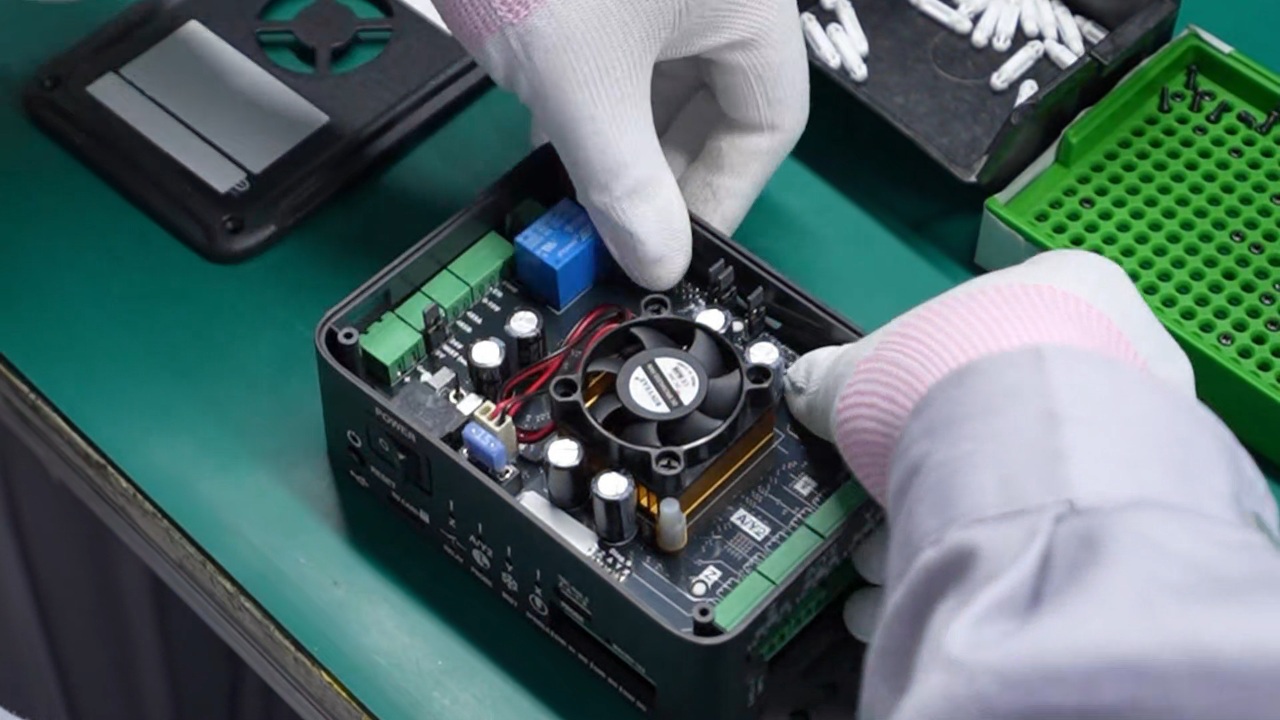
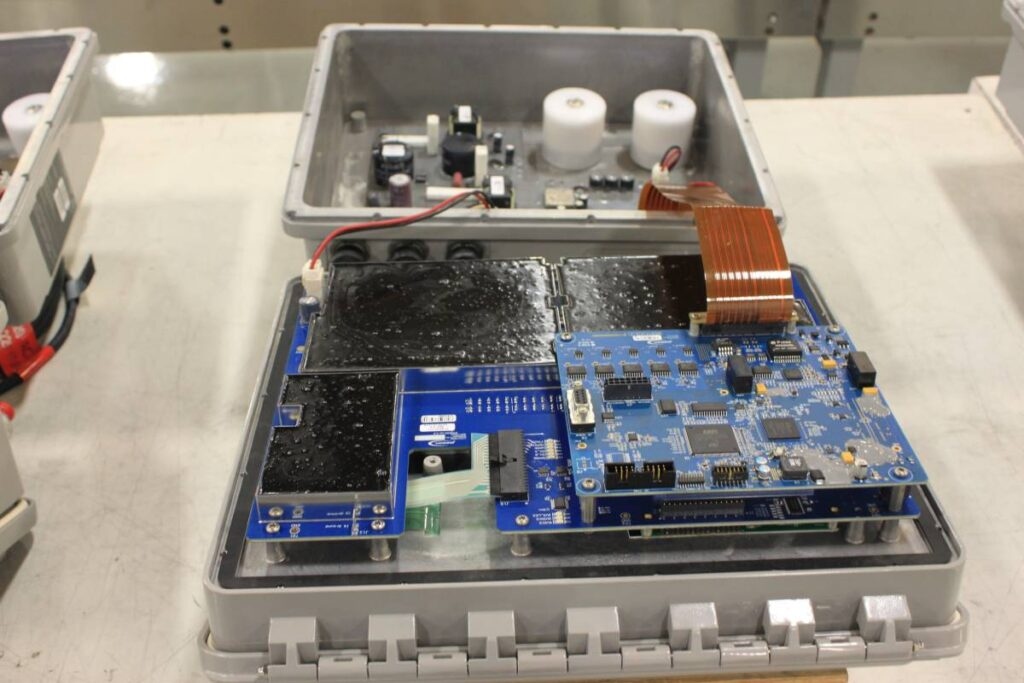
A box-build assembly is an electromechanical process. It creates a full, working electronic device. This includes not just the PCB. It also covers the PCB plus all needed parts, mechanical items, wiring, enclosures, final putting-together, and often last testing and setup. For a smooth, dependable box-build project, certain inputs and points are vital.
img.Box-Build Assembly service factory.jpg
Key Requirements for Box-Build Success
Bill of Materials (BOM)
A complete Bill of Materials is the main base of any box-build project. The BOM must list part numbers, maker names, amounts, reference labels, clear details, buying info, and any useful notes on packing or buying (reels, trays, tubes, etc.). Without an exact BOM, an assembly partner cannot safely get or put together the right parts. This raises chances of hold-ups, wrong matches, or quality problems.
Assembly Design Files
Give full assembly design papers. Best case, this includes a 3D CAD model of the end product, mechanical sketch for enclosure, wiring plans, connector spots, fixing points, and putting-together steps. The more clear the design files, the simpler it is for the making partner to turn the design into a buildable, assembled item. Without proper design data, even a perfect PCB and BOM may not lead to a correctly assembled product.
Working Prototype (when possible)
A real prototype, not just design files, is very helpful. A working prototype lets the contract manufacturer see how the final put-together device should work, fit, and act. It helps the maker spot mechanical, heat, or assembly clashes early. They can suggest making improvements. This cuts “surprises” during large production.
Detailed Test Plan
Box-build often means joining PCBA, wiring/harness, enclosures, mechanical parts. So testing must check not just the PCB, but the full electromechanical device.
A test plan might cover:
On-board and off-board programming or firmware loading
Functional checking of the device’s features (buttons, displays, sensors, communication ports, etc.)
Visual check or automated optical inspection (AOI) for solder joints and part placement
X-ray check if using BGA / BGAs or hidden solder joints
Factory acceptance testing (final functional test)
Environmental tests (if needed): e.g. thermal, vibration, humidity
The more clear the test plan, the greater the trust in final product quality and performance.
Why a One-Stop EMS Partner Matters
Using a contract manufacturer that can manage everything in one place is key. This covers PCB making, part buying, PCB assembly, mechanical putting-together, box-build, testing, final check, and shipping. It lowers risk and trouble. Splitting these jobs among many sellers often causes wrong talks, hold-ups, and quality troubles.
A partner like PCBA Store — a full-spec PCB manufacturer and assembly supplier — provides turnkey PCB making, PCB assembly, part buying, and box-build assembly services.
PCBA Store supports both rigid and flex PCBs. They offer choices for SMT, through-hole (THT), or mixed-technology assemblies.
Their services include prototyping (even 1 piece), low-volume orders, and high-volume making. This allows growth from early design to large production.
Moreover, PCBA Store’s online quoting and order-tracking system makes quoting, ordering, and project control easy. This is a plus especially for engineers and firms who want clear view and quick speed.
Typical Box-Build Workflow (with a Turnkey Partner)
Design Phase
Create PCB Gerber, assembly design files (best 3D CAD), mechanical drawings, wiring/harness plans.
BOM Creation
List every part: components, mechanical parts (screws, standoffs, enclosures), connectors, cables, harnesses, etc. Give maker part numbers, amounts, packing info (reel/tray/tube), reference labels, and buying choices.
Prototype Phase
Order a small lot (often just 1–3 units) including PCB making + assembly + mechanical enclosure + wiring + full joining. Use these prototypes to check fit, function, user feel, heat/mechanical steadiness, and rules (if needed).
Test Plan Definition
Write how to test each working part: PCB-level tests (power rails, signal strength), functional tests (I/O, sensors, communication), mechanical tests (if enclosure, connectors, cables), environmental tests (if relevant), visual or automated checks.
Mass Production / Box-Build Execution
Once prototype checked, send BOM + final design + test plan to EMS partner. Parts are bought (turnkey or given), then PCBs made and assembled. Mechanical parts are put together/wired/enclosed. Final testing is done. Inspection & QA happen. Then packing and shipment.
Quality Control & Documentation
DFM/DFT reports, check reports (AOI, X-ray, functional tests), shipping records, trace tags (if needed, especially for ruled products).
img.China top Box-Build Assembly service factory.jpg
Common Pitfalls & How to Avoid Them
Incomplete or unclear BOM
Missing part numbers, missing amounts, wrong packing type — leads to buying issues or wrong parts. Always use maker part numbers and state exact packing.
Lack of design files
Missing mechanical/enclosure/wiring data can cause misfit or poor mechanical joining, wrong-aligned connectors, or heat loss problems.
Skipping prototype
Going straight to large build risks high defect rate, mechanical troubles, or function failures. These are costly to fix at volume.
No or weak test plan
Leads to untested assemblies shipped to buyer, higher field failures, recalls, or costly fixing after delivery.
Using many sellers
Splitting making, assembly, mechanical work, and final joining without strong control raises risk of wrong talks, hold-ups, uneven quality, and blame when issues come.
Frequently Asked Questions (FAQ)
Q: Is it possible to order just one assembled device (prototype)?
Yes. PCBA Store supports low-volume orders — even as small as 1 piece — which is perfect for prototyping or early design check.
Q: Can the same provider handle PCB fabrication and full box-build?
Yes. PCBA Store offers a one-stop EMS solution: PCB fabrication, parts buying, PCB assembly, box-build mechanical assembly, and final testing.
Q: How are components sourced if the customer does not supply them?
PCBA Store offers turnkey buying from trusted sellers, handling buying, stock, and BOM-based ordering.
Q: What testing and quality control processes are applied?
They use AOI, X-ray for BGAs/QFNs, visual check, functional testing, ICT, and other ways per customer test plans.
Q: Is there a quick way to get a quote for PCB or assembly services?
Yes — PCBA Store provides an online quote system: upload Gerbers and BOM (or part counts), pick assembly choices, and get instant pricing.
Partner with a Trusted PCBA Manufacturer and Supplier for Seamless Box-Build Solutions
Electronic makers and sellers seeking a dependable factory for box-build assembly will find great ease in working with PCBA Store. This is a direct manufacturer and wholesale supplier. They offer turnkey services from prototyping to high-volume production.
As a top supplier in Shenzhen, PCBA Store cuts out middlemen. They give fair pricing, no MOQs, and 24-hour express choices without setup fees. Upload Gerber files and BOMs via the online quote system for quick, exact pricing — starting at $100 for 10-piece assemblies. Use in-house skills for SMT/THT, conformal coating, and full testing to speed time-to-market.
Contact the skilled team today at svc@pcbastore.com or through live chat to talk custom needs and get a free DFM review. Raise production levels with PCBA Store — your key making partner for new ideas and trust.
You Might Like:
What should your multilayer PCB consider in the 5G era?
How to identify your electronics manufacturing service providers ?
What Files Are Required For Your PCB Manufacturing And Assembling?



