General, quoting & support.
Add: Building E, No.58, Nanchang Road, Xixiang , Baoan District Shenzhen City, Guangdong, China
Tel : 0755-27348887
Fax : 0755-27349876
E-mail : svc@pcbastore.com

What Types of Circuit Boards Are Used in Drones?
PCBA Store / 2026-06-05
Contents [hide]
Introduction
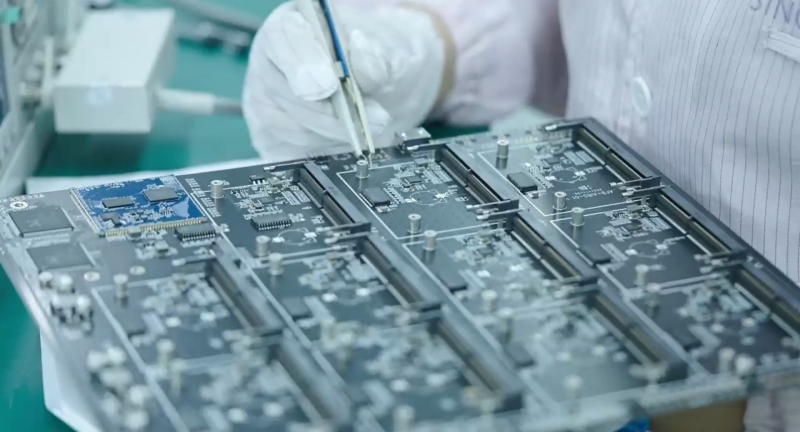
Drone electronics must manage vibration, heat, power changes, and constant wireless links inside a small frame. The PCB forms the base that decides if a drone keeps steady flight, precise navigation, and long service life. In commercial UAVs, farm drones, inspection drones, and defense setups, PCB quality shapes flight stability and product safety.
At PCBA Store, we deliver professional drone PCB design and manufacturing solutions for global UAV firms. Our engineering team backs multilayer PCB fabrication, SMT assembly, part sourcing, functional testing, and full drone PCBA turnkey service for industrial-grade drone electronics.
Understanding Drone PCB Architecture
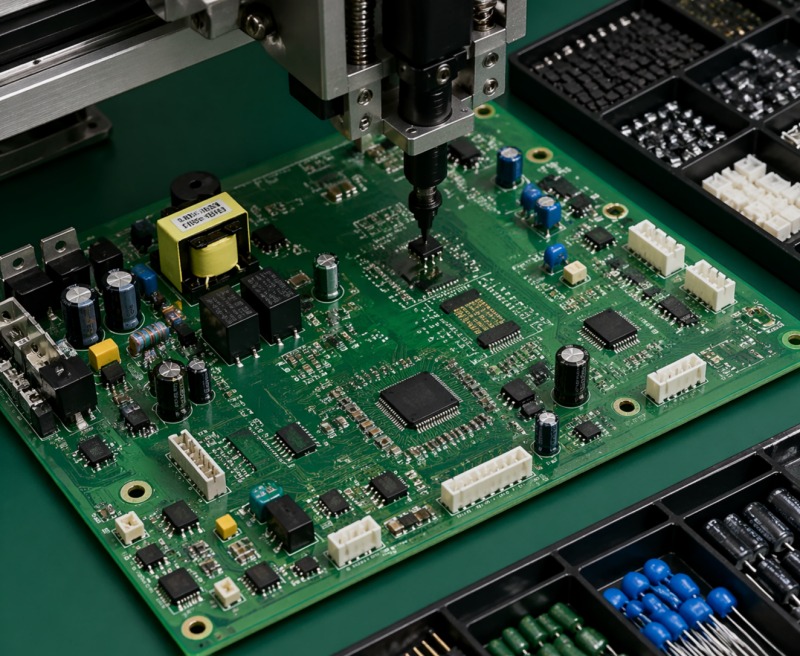
Drone PCBs bring several electronic parts together in a light and tight layout. A modern UAV usually holds flight controllers, GPS modules, ESC boards, camera transmission units, power distribution boards, wireless communication modules, and onboard sensors.
Flight controller PCBs handle real-time flight data from gyroscopes, accelerometers, and positioning tools. These boards need steady signal flow, low EMI, and fast data paths. ESC boards adjust motor speed and create a lot of heat in use, so thermal control matters greatly.
Weight control forms another key engineering need. Every gram added to a drone cuts flight time and payload capacity. For this reason, drone PCB engineers often choose HDI layouts, thinner base materials, and tight part placement to raise board density while keeping electrical performance solid.
Typical PCB Requirements in Drone Systems
PCB Requirement | Impact on Drone Performance |
Lightweight structure | Longer flight time |
High thermal stability | Better ESC performance |
Vibration resistance | Improved flight reliability |
High-density routing | Smaller drone size |
Stable RF performance | Reliable communication |
Power integrity | Safer battery operation |
Main Types of Circuit Boards Used in Drones
Rigid PCBs for Standard UAV Electronics
Rigid FR4 PCBs appear often in commercial drone electronics. They give steady mechanical support and lower production costs. These boards fit well in flight control modules, GPS boards, and power management systems.
Rigid boards also allow multilayer builds for signal paths and power distribution. In medium-volume UAV output, rigid PCB designs stay popular due to steady manufacturing and lower cost.
Flexible PCBs for Compact Drone Designs
Flexible PCBs cut cable use and free up room inside small drones. They fit foldable drones, FPV systems, and light camera drones where tight assembly counts most.
Flex PCB designs also raise vibration resistance since they remove some connectors and wire bundles. This cuts failure points during extended drone runs.
Rigid-Flex PCBs for Industrial UAV Systems
Rigid-flex boards mix rigid PCB strength with flexible links. Industrial drones and aerospace UAV systems often pick this build because it boosts durability and cuts assembly steps.
Rigid-flex methods also allow complex mechanical setups in small drone bodies. Compared with standard cable links, rigid-flex boards lower signal loss and raise long-term reliability.
HDI PCBs for Advanced Drone Electronics
HDI PCBs see growing use in AI drones and autonomous UAV systems. These boards support fine-pitch parts, microvias, and dense routing, so engineers can pack more functions into less space.
HDI builds improve signal quality and cut transmission noise, which matters for image processing, radar units, and high-speed communication gear.
Metal Core PCBs for Thermal Management
Motor control systems and ESC modules produce strong heat during drone runs. Metal core PCBs, especially aluminum types, move heat away faster than standard FR4 boards.
Better heat control extends part life and lowers thermal failure risks in heavy-load flight.
Critical Requirements in Drone PCB Design
Lightweight PCB Structure Optimization
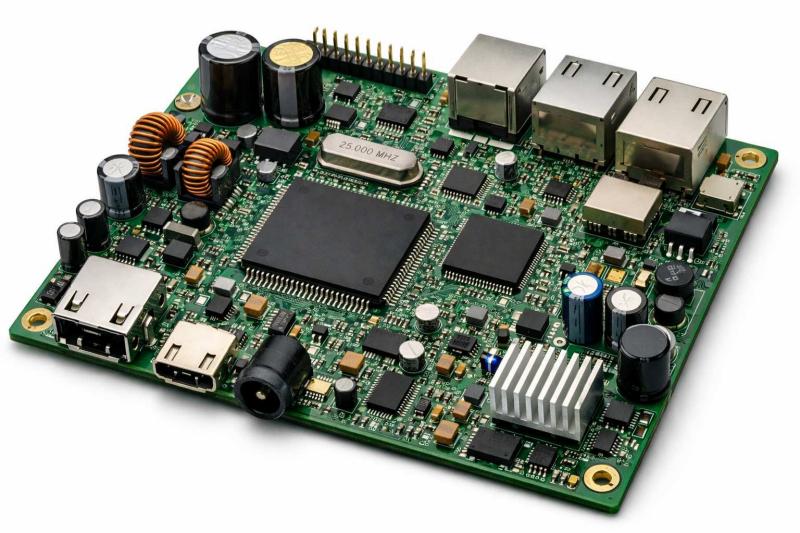
Drone makers keep lowering PCB thickness and refining stackup designs to cut total UAV weight. Engineers often pick light laminates and dense layouts to reduce extra material.
Lower board weight raises battery use and flight length. In farm drones and mapping UAVs, even small weight cuts bring clear operational gains.
Signal Integrity and RF Performance
Drone communication relies on steady RF transmission. Weak PCB routing can cause signal drop, shaky telemetry, and link breaks.
Controlled impedance paths, solid grounding, and EMI shielding stay vital in current drone PCB design. RF modules must stay apart from high-current motor circuits to avoid noise.
Thermal Management in UAV PCBs
Heat ranks as a top cause of PCB faults in drones. ESC systems, processors, and power modules create focused heat loads in tight spaces.
Professional drone PCBA service providers add thermal vias, copper balance, heat sinks, and better layer designs to raise heat flow.
Shock and Vibration Resistance
Drone electronics face constant vibration in flight. Weak solder joints and loose connectors can trigger electrical faults.
To raise durability, makers use reinforced soldering, industrial parts, and conformal coatings for added protection.
High Reliability Drone PCBA for Mission-Critical Applications
Industrial and defense UAV systems need very stable electronics. Failure in operation can create serious safety issues. This is why high-reliability drone PCBA processes matter for critical drone work.
Common Drone PCB Reliability Tests
At PCBA Store, we apply strict quality checks during drone PCB production and assembly. Our engineering flow includes AOI inspection, X-ray testing, flying probe testing, and functional validation.
Reliability Test | Purpose |
AOI inspection | Detect soldering defects |
X-ray inspection | Verify hidden BGA solder joints |
Thermal cycling test | Evaluate temperature durability |
Vibration testing | Simulate flight conditions |
Functional testing | Validate operational stability |
Burn-in testing | Detect early component failure |
Professional drone PCB reliability test steps help cut field faults and lift long-term UAV results.
At PCBA Store, we support customized multilayer PCB fabrication, HDI structures, rigid-flex boards, and full part sourcing for UAV makers. Our engineering team also offers DFM help to raise manufacturing speed and lower production cost.
Conclusion
Drone electronics keep getting smaller, lighter, and more complex. Solid PCB design, thermal control, and assembly quality now rank as key factors in UAV performance and operational safety.
At PCBA Store, we supply complete drone PCB design and manufacturing, drone PCB assembly service, and drone PCBA turnkey service solutions for global UAV makers. From prototype work to mass output, our engineering and manufacturing teams help customers build reliable and cost-efficient drone electronics.
Get a Quote for Your Drone PCB Project
Looking for a steady partner for custom drone PCB assembly or industrial UAV electronics manufacturing?
Upload your PCB files and receive fast engineering feedback from our team:
· Instant Online Quote: PCBA Store Online Quote
· PCB Assembly Services: PCBA Store PCB Assembly
· Manufacturing Capabilities: PCBA Store PCB Capabilities
· Assembly Capabilities: PCBA Store PCB Assembly Capabilities
· Contact Our Engineering Team: PCBA Store
FAQ
How long does drone PCB assembly usually take?
Prototype drone PCB assembly usually needs 3 to 7 working days based on PCB complexity, part availability, and test needs. Mass production lead times run longer.
Can you support turnkey drone PCB manufacturing?
Yes. A professional drone PCBA turnkey service covers PCB fabrication, part sourcing, SMT assembly, testing, and final quality checks under one flow.
What files are required for a drone PCB quotation?
Most makers need Gerber files, BOM lists, pick-and-place files, assembly drawings, and test requirements to give an accurate quote.
How do you ensure drone PCB reliability?
Reliable makers run AOI inspection, X-ray inspection, functional testing, and environmental checks as part of the drone PCB reliability test process.
Can you reduce drone PCB manufacturing costs?
Yes. Refining PCB stackup, part selection, panelization, and assembly steps can raise drone PCB cost-effective manufacturing without hurting product reliability.
You Might Like:



