General, quoting & support.
Add: Building E, No.58, Nanchang Road, Xixiang , Baoan District Shenzhen City, Guangdong, China
Tel : 0755-27348887
Fax : 0755-27349876
E-mail : svc@pcbastore.com

Ultra-Fine Pitch Assembly Solutions for Complex PCB & PCBA Manufacturing
PCBA Store / 2026-06-04
Contents [hide]
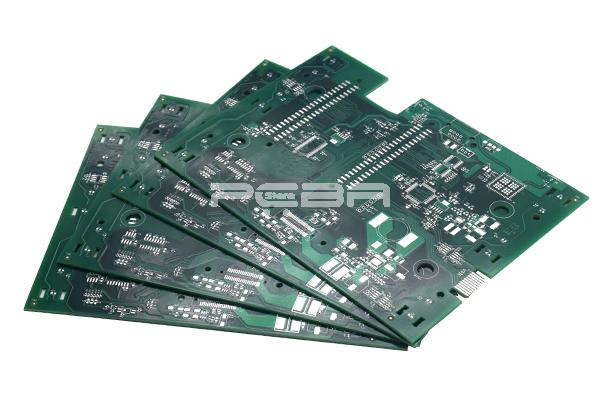
Ultra-fine pitch components are now common in advanced electronics. You see them in medical devices, aerospace systems, and telecommunications equipment. Sub-0.5 mm pitch ICs, 01005 passive components, and high-density BGAs create real challenges. Accurate placement, reliable solder joints, and consistent yields all become harder. If precision falls short during surface mount technology assembly, solder bridges, tombstoning, and poor alignment appear quickly. These problems cost time and money. Fast assembly, good stencil design, and strong inspection methods help keep yields high.
Addressing Ultra-Fine Pitch Assembly Challenges Head-On
Ultra-fine pitch assembly requires more than smaller parts. It needs higher precision, tighter process control, and better equipment across the entire PCB and PCBA workflow. Common issues include solder bridging between close pads, weak paste release on micro-pads, tombstoning of small passives, and uneven heat that harms joint quality. These problems often stop production and raise costs when teams do not plan for them early.
PCBA Store builds our high-speed PCB assembly process around strict control points to handle these issues. Laser-cut stainless steel stencils use optimized apertures. This reduces solder paste on ultra-fine pads and helps prevent bridging at 0.25 mm pitch or smaller. High-precision pick-and-place systems add vision guidance for accurate component placement. This lowers the chance of misalignment that leads to opens or rework. We also create custom reflow profiles for each board design. These profiles balance thermal mass and protect sensitive parts from excess heat.
The combined method supports both high-speed PCB assembly and the needs of ultra-fine pitch designs. Yields stay high while rework stays low.
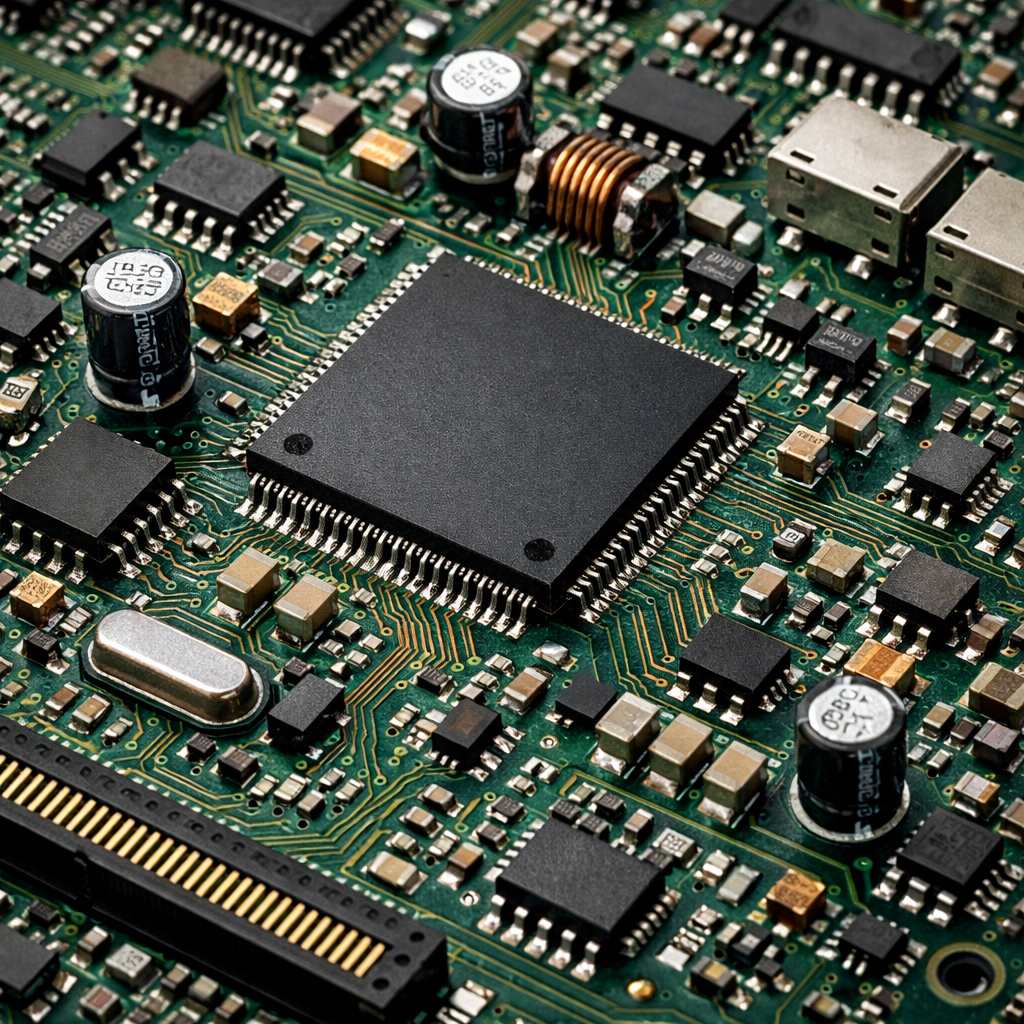
Critical Design Considerations for Manufacturability
Many problems can be avoided before assembly starts. Solid DFM practices catch issues early. Ultra-fine pitch designs make small errors in footprints, paste masks, or routing clearances much worse. A pad that is too small may starve the joint of solder. Poor paste aperture design can cause shorts even when the layout software shows no violations.
We address these risks in several ways. Our team checks every component footprint against official datasheets instead of generic libraries. We adjust paste apertures to match package shape and required solder volume, especially for QFNs and micro BGAs. We place fiducials clearly across panels to improve placement accuracy and reduce drift during long runs. Our engineering team reviews each submission for manufacturability before we issue a quote. This step helps you fix errors early and avoid expensive delays.
Surface Mount Technology Assembly with Precision Control
Surface-mount technology assembly forms the core of work with ultra-fine pitch devices. Standard SMT lines alone do not deliver enough control. Precision must stay tight at every stage. Solder paste inspection confirms correct volume and location before parts are placed. Automated optical inspection checks paste, placement, and polarity. X-ray PCB inspection verifies hidden joints under BGAs and QFNs. Functional testing follows your own procedures to confirm real-world performance. These inspection layers support high-reliability PCBAs. They catch defects that visual checks miss and keep problems from reaching later stages or the field.
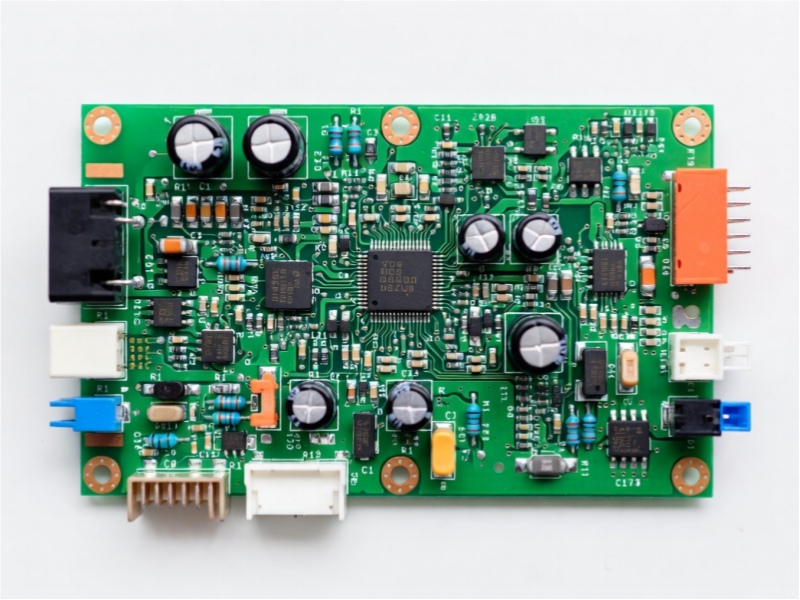
Flexibility Across Board Types and Volumes
Ultra-fine pitch assembly works with more than rigid boards. New designs often need flexibility in both board type and volume. We handle rigid, flex, and rigid flex PCB builds with the same precision controls. This allows compact multi-board systems without losing manufacturability. Our process covers prototype runs of single boards up to full high-volume production. You get consistent results from first design checks through final rollout. For boards smaller than 45 mm x 45 mm, we recommend panelization. It improves placement speed and cuts handling mistakes.
Turnkey Assembly and Component Sourcing Solutions
We offer turnkey PCBA services to simplify the supply chain work. We handle BOM sourcing from approved suppliers with lifecycle tracking. This ensures parts remain available long term. We manage inventory and kitting to match your production schedule. We also source critical items when long lead times would otherwise delay assembly. This turnkey support helps you avoid delays common in ultra-fine pitch assembly, such as part obsolescence or un-reviewed substitutions.
Integrated Testing for High Reliability
Performance checks come after assembly. We run a full test suite that supports high-reliability PCBAs. Visual inspection and automated optical inspection catch early defects. X-ray PCB inspection confirms joint quality on BGAs and dense ICs. Functional testing follows your design requirements. These steps ensure ultra-fine pitch boards meet expectations before shipment. Returns and field failures drop as a result.
Workflow Support and Real-Time Visibility
Ultra-fine pitch boards often run on tight schedules. We provide tools that give clear visibility. Instant online quoting estimates assembly costs quickly. Upload tools accept Gerber, BOM, and centroid files to generate accurate pricing and lead times. Engineering feedback arrives early, so design issues are fixed before manufacturing begins. This workflow brings transparency and predictability to complex PCBA projects.
Why PCBA Store Ultra-Fine Pitch Assembly Services Work
PCBA Store's strength comes from combining manufacturing control with engineering insight. We do more than place parts. We review your design, optimize each process step, and build boards that perform reliably. Focus on advanced PCB assembly processes and controls built for ultra-fine pitch assembly and high-density interconnect assembly delivers real value. The same approach supports miniaturized PCB assembly, aerospace PCB assembly, and medical high density PCB assembly projects.
Get Immediate Support
Ready to solve your ultra-fine pitch assembly challenges and lower production risk? Get an instant online quote by uploading PCB, BOM, and centroid files. Upload files for fast pricing and receive clear cost and lead-time estimates. Contact engineering support for design review, DFM advice, or custom process help. Visit our online quote tools or email your files to svc@PCBAstore.com to begin.
Frequently Asked Questions
What files do I need to start an ultra-fine pitch assembly quote?
Gerber files or a CAD file work well, along with your BOM list and centroid data. These files let us check pad sizes, component density, and assembly difficulty for an accurate quote.
Can you assemble 01005 and ultra-fine pitch ICs reliably?
Yes. We perform 01005 assembly and place fine pitch SMT assembly parts down to 0.25 mm pitch. Controlled paste, precise placement, and X-ray PCB inspection confirm joint quality on every board.
How do you reduce bridging in ultra-fine pitch PCBA?
We optimize solder paste with custom laser-cut stencils and solder paste inspection. This ensures correct volume and reduces excess paste that causes bridging.
What testing ensures high-reliability PCBA?
Every board receives visual inspection, automated optical inspection, X-ray PCB inspection, and functional testing. These checks confirm solder quality, component placement, and operating performance before shipment.
Is there a minimum quantity for assembly?
No minimum order quantity applies. We support prototypes and pilot runs through volume production with the same process controls.
You Might Like:
Overview of PCBA Manufacturing: What's PCB Assembly
Why Do Businesses Choose PCB Assembly Manufacturers in China?
Previous article:How to Find a Reliable Quick Turn Low-Volume PCB Assembly Supplier



