General, quoting & support.
Add: Building E, No.58, Nanchang Road, Xixiang , Baoan District Shenzhen City, Guangdong, China
Tel : 0755-27348887
Fax : 0755-27349876
E-mail : svc@pcbastore.com

Why Through-Hole PCB Assembly Manufacturers Are Still Essential in Modern Electronics
PCBA Store / 2025-12-05
Contents [hide]
Electronics manufacturing has mostly moved to surface-mount technology (SMT) because it costs less, works well with machines, and helps make devices smaller. Actually, SMT now handles the huge majority of PCB assembly work, especially in large-scale production. But does that make through-hole PCB assembly old and useless? Absolutely not. In this post, through-hole PCB assembly manufacturers keep proving how valuable they stay, mainly in projects that need extreme toughness and steady performance.
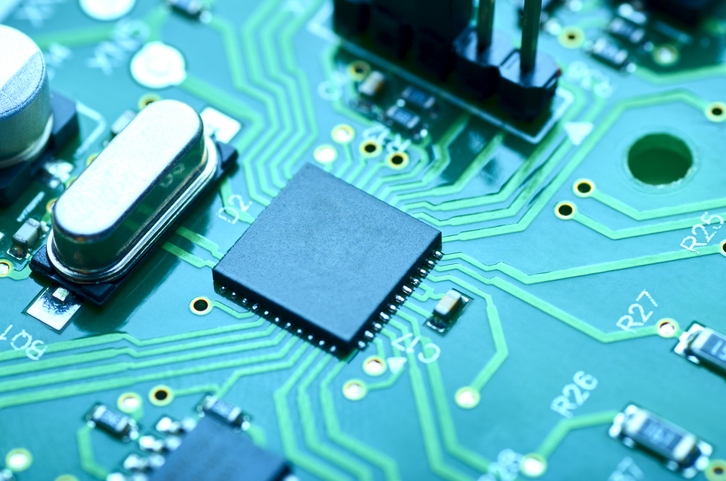
img.top Through-Hole PCB Assembly Manufacturers.jpg
Why Through-Hole PCB Assembly Manufacturers Still Matter
Through-hole PCB assembly manufacturers stay very important. Their boards serve key roles in many different fields. In areas that demand strong build quality, solid mechanical support, and lasting dependability—like automotive, aerospace, industrial, and medical electronics—through-hole technology remains a basic building block. The strong physical connection of through-hole parts, together with newer automatic tools, keeps this method firmly in place. Companies that focus on through-hole make sure products can handle tough daily use, from constant shaking to years of heavy work.
These companies connect older designs with brand-new ideas. They provide options that SMT simply cannot match. By building very strong electrical links, through-hole PCB assembly supports the most important systems where any failure could cause big problems. As devices become smarter and tougher, the skills of through-hole experts stand out even more. They help mix both technologies smoothly and create special test models.
Built for Strength and Longevity
Through-hole assembly does far more than just place parts. It creates a deeply anchored, rock-solid hold inside the board. The leads go through carefully drilled holes and get soldered on the other side. This makes a much stronger bond than the surface glue used in SMT. That natural toughness becomes priceless in hard working conditions.
This strength shows up clearly in many situations:
· High-vibration environments: Car control units and plane avionics need connections that never loosen even with non-stop shaking. This stops sudden faults that could risk lives.
· Electronics with moving parts: Factory robots and large machines depend on parts that stay firmly in place despite constant motion and stress.
· Long product lifecycles: Medical implants and spacecraft instruments are built to last decades. They gain from solder joints that fight wear and damage over time.
Through-hole PCB assembly manufacturers use strong materials such as high-TG FR-4 substrates and thick copper layers. These choices greatly increase lifespan. Boards keep working perfectly through heat changes and heavy loads. Such features make through-hole perfect for updating old systems while keeping full compatibility. They also suit fresh designs that value safety more than tiny size.
Power Handling and High-Voltage Applications
Some projects need far more than simple wiring. They require safe handling of big power or high voltage to prevent total failure. Through-hole technology shines as the top choice here. The wider spacing and deeper leads lower dangers that appear in very small layouts.
Important examples clearly show this need:
· Power supplies and converters: These carry large currents without any drop in performance. Through-hole layouts give low-resistance paths that spread heat fast.
· High-voltage circuits: Good lead distance reduces sparks and shorts, making the whole circuit much safer.
· Transformers, relays, and connectors: These parts get hot easily. They need solder joints built to last through constant heavy use.
The way through-hole parts sink deep into the board helps move heat away quickly through the full thickness. Factories in power control, telecom, and industrial automation choose this method to stop overheating. It extends equipment life and cuts stoppages. In solar inverters and other renewable energy gear, through-hole assemblies manage sudden power surges that SMT could not handle. This proves their key place in green technology.
Designed for Harsh Environments
Circuit boards often work outside clean labs. Many face wild temperature swings, damp air, or dust. Through-hole PCBs perform best in these brutal settings, especially where shaking, heat, or cold dominate. SMT can add extra protection, but the basic strength of leads running completely through the board makes through-hole the clear winner in extreme locations.
Common tough uses include:
· Military and aerospace electronics: These face huge pressure changes and temperature jumps. Connections must never separate or crack.
· Outdoor automation systems: Wind turbine controls, power grid units, and far-away sensors fight dirt, rust, and sun damage every day.
· Medical and safety-critical devices: Diagnostic tools or life-support machines cannot fail. Through-hole keeps performance steady for years.
The through-hole soldering process forms one solid piece that resists twisting forces far better than surface parts. Manufacturers usually add protective coatings or filling material afterward. This meets strict rules like IPC-A-610 for top reliability. Such flexibility makes through-hole the safe choice for remote IoT units on oil platforms or earthquake sensors that must keep perfect signals in chaos.
Through-Hole Assembly Is More Automated Than Ever
img.choosing the best Through-Hole PCB Assembly Manufacturers factory in China.jpg
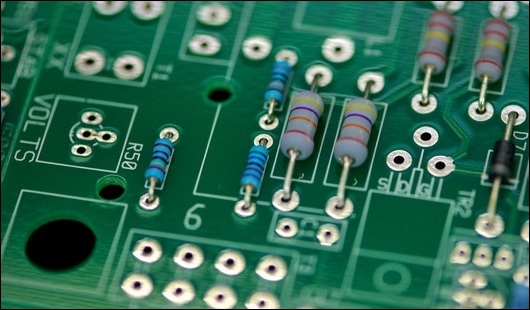
People once thought through-hole needed too much hand work compared to SMT. Today, smart machines have completely changed that view. Production speed and accuracy have jumped. Modern plants use fast axial inserters for resistors and diodes. They place parts within tiny fractions of a millimeter. Special machines handle SIP packages just as smoothly. Wave soldering lines create perfect joints across whole batches.
New robots and camera-guided systems cut mistakes sharply. They help run anything from single prototypes to medium-sized orders. Through-hole PCB assembly manufacturers now add AI checks and automatic X-ray scans. These find hidden air pockets in solder and meet IPC Class 3 aerospace rules. All this progress makes strong boards affordable even for small companies. Automation has turned through-hole from an old backup choice into a fast, flexible, and widely used option.
Through-Hole and Surface-Mount Hybrids
Instead of competing, through-hole and SMT work together beautifully in mixed boards. SMT packs tiny signal parts tightly. Through-hole adds solid anchors and power connections. This smart mix saves space while keeping strength where it matters most.
You see these hybrids everywhere in LED lighting panels, factory controllers, and car electronics. They fix SMT’s weak spots in high-stress zones. Engineers design smooth transitions and controlled signal paths between the two styles. For example, in electric vehicle battery systems, SMT handles the smart chips while through-hole locks down the heavy current bars. This balanced way shortens design time, speeds up launch, and keeps signals clean. It has become vital for modern smart factories.
FAQ
What distinguishes through-hole PCB assembly from surface-mount technology?
Through-hole means pushing component leads through holes and soldering on the back side. It gives much stronger physical hold. Surface-mount puts parts right on top of the board. That allows smaller size and faster machines but weaker resistance to shaking.
In which industries is through-hole PCB assembly most commonly used?
It leads in automotive, aerospace, medical, and industrial fields. These places demand toughness, high power ability, and survival in rough conditions.
Can through-hole assembly support high-volume production?
Yes. Automatic insertion machines and wave soldering make it fast and efficient. Many factories mix it with SMT for the best speed.
How does through-hole improve heat dissipation in electronics?
Deep leads create more paths for heat to escape through the whole board thickness. This is critical for power parts and transformers.
What quality standards apply to through-hole PCB assemblies?
Following IPC-A-610 Class 2 or 3 guarantees top quality. Tests like AOI and X-ray check every joint carefully.
Partner with a Leading Through-Hole PCB Assembly Factory: PCBA Store
Electronics manufacturers and suppliers who need a trustworthy through-hole PCB assembly factory will discover outstanding support at PCBA Store. Founded in 2006 as a direct manufacturer in Shenzhen, PCBA Store offers complete turnkey services. They handle SMT, through-hole, and mixed-technology assemblies all in one place. With more than 16 years in fabrication and 8 in assembly, a 300-person team (25% engineers), and capacity from 1-64 layer prototypes to full production runs, PCBA Store serves fields from robotics to medical devices.
Get instant online quotes, 99% on-time DHL shipping, 100% refund for defects, and ISO 9001-certified steps—including AOI, X-ray, and functional testing—for perfect results every time. No MOQs, orders start at $100, and 24/7 help make PCBA Store the perfect B2B partner.
Reach out today at +86-755-27348887 or svc@pcbastore.com to quote your job and boost your product reliability.
You Might Like:
What You Need to Know about PCB Drill Sizes



