General, quoting & support.
Add: Building E, No.58, Nanchang Road, Xixiang , Baoan District Shenzhen City, Guangdong, China
Tel : 0755-27348887
Fax : 0755-27349876
E-mail : svc@pcbastore.com

What is the function of the main PCB board?
PCBA Store / 2025-12-04
Contents [hide]
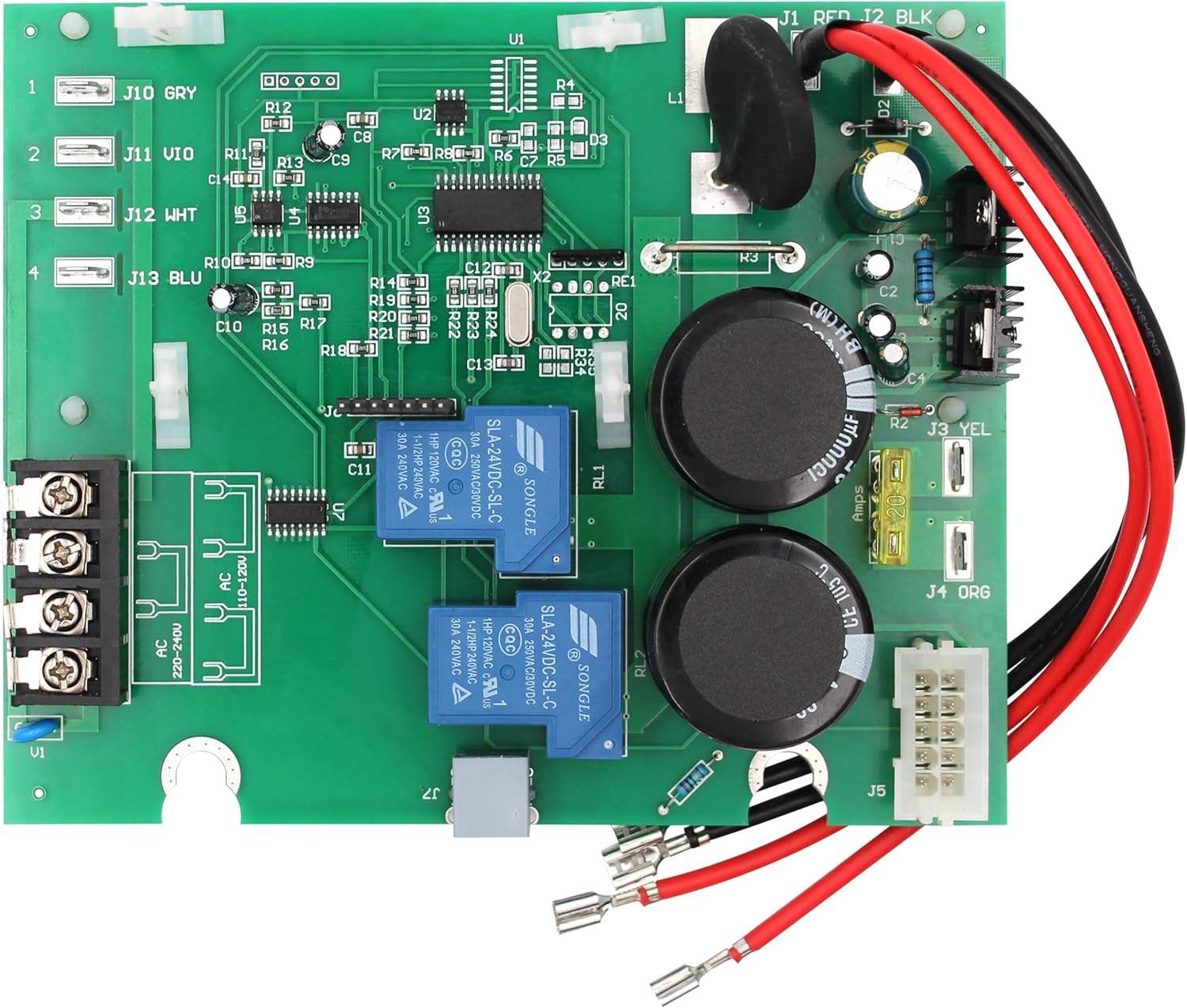
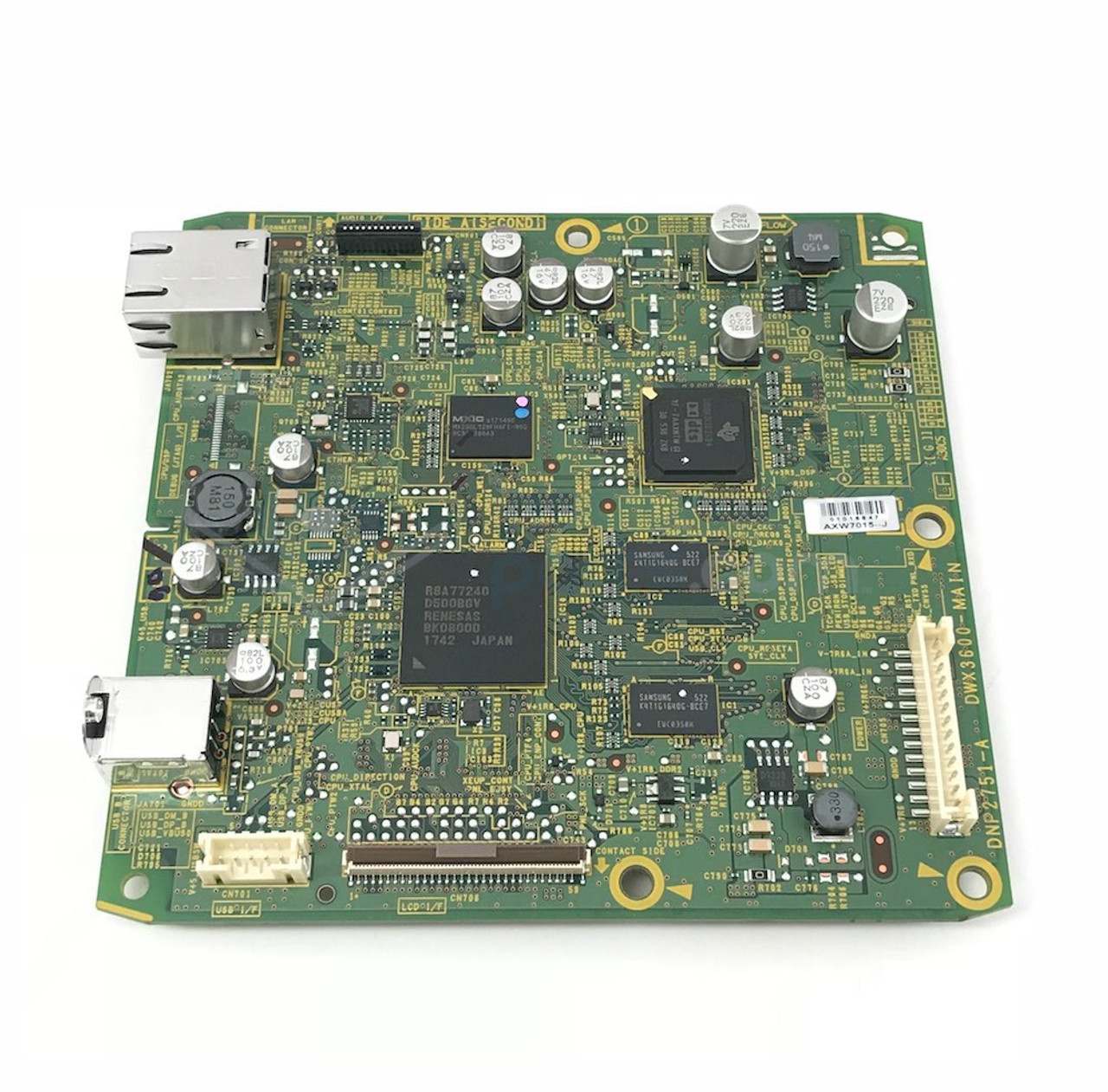
A main PCB board works as a thin, sturdy base. It holds electronic parts firmly in place and creates reliable electrical links through tiny copper tracks.
Knowing the basic roles of the main PCB board really helps engineers and manufacturers pick the best options in precision PCB fabrication, high-frequency PCB development, high-speed PCB applications, standard PCB production, multilayer PCB construction, and full PCB assembly.
img.Main PCB Board full PCB assembly turnkey manufacturer.jpg
The Function of the Main PCB Board
These boards carry out two major tasks. First, they let workers place electronic components at exact spots on the surface. Second, they supply steady electrical paths between the pins of those parts. At the same time, the main PCB acts like a solid foundation where people carefully attach all the electronic pieces.
The main PCB board forms the heart of almost every electronic product. Besides, the PCB can come as single-sided, double-sided, or multi-layer versions. It starts as a flat sheet of insulating material covered with thin copper foil. Furthermore, this board links whole electronic circuits together. The board relies on electroplated copper lines. Those lines run through small holes known as vias.
Moreover, the main PCB board can contain several copper layers stacked inside. How complicated one board becomes depends on how many layers it has and how well those layers connect. Multi-layer main PCB board brings stronger signal quality and extra wiring choices. Yet, making these boards like this costs a lot of money. Also, the whole process takes plenty of time.
Double-layer PCBs are quite simple to produce. That happens because both sides carry copper sheets. However, the multi-layer board adds hidden copper layers inside. Compared to a two-layer circuit board, a four-layer circuit board gives far more wiring paths.
Materials Used for Main PCB Board
Substrate
Rigid substrates appear in most standard and multilayer PCBs. Workers usually choose FR4, a glass-fiber epoxy that costs little and stays strong up to 1.6 mm thick. In very hot settings, polyimide substrates perform better. They handle temperatures above 260°C, perfect for aerospace and automotive high-frequency PCBs.
Flexible substrates, often thin polyimide films, allow the board to bend. They work well in wearable gadgets or small devices. High-temperature polyimide types survive repeated bending without peeling apart. They also carry high-speed signals in moving products. Material choice also looks at dielectric constant. Low-loss options like Rogers RO4000 series keep signals strong in microwave equipment.
Copper Layer
Copper creates the paths that carry current. Workers stick copper foil, usually 1 oz/ft² or 35 µm thick, onto one or both sides of the substrate. Electrodeposited or rolled-annealed copper stays even across the surface. Thickness can grow to 6 oz for boards that handle heavy current. In multilayer setups, copper sheets sit between prepregs for tight wiring. For high-speed PCBs, electrodeposited copper gives smoother finish. This cuts losses at gigahertz speeds.
Solder Mask
The solder mask works like protective skin. It stops oxidation and accidental shorts by covering everything except pads. Liquid photoimageable (LPI) polymers go on through screen printing or direct imaging. They form 25-50 µm thick layers with sharp detail for tiny parts. Green stays the most common color because it shows markings clearly. Matte black or blue versions help when silkscreen needs strong contrast. UV-curable masks stick firmly on high-frequency boards and resist cracking during heat changes.
img.Main PCB Board full PCB assembly turnkey manufacturer factory in China.jpg
Silkscreen
The silkscreen layer, sometimes called legend ink, sits on top to mark parts. Workers use epoxy-based inks cured by infrared or UV light. White or yellow inks stand out against solder mask colors. They show part numbers, polarity marks, and company logos. Fine printing down to 0.15 mm helps on crowded multilayer boards during building and repair.
These materials together make the main PCB board last longer. FR4-copper-solder mask combinations cover about 90% of normal uses. Special laminates like PTFE boost results in RF and high-speed cases.
The Manufacturing Process of the Main PCB Board
Developing Images of Circuits
Circuit designs start in Gerber files. Workers transfer the pattern onto photoresist-covered copper sheets using film or laser imaging. UV light hardens resist where traces belong. Development then removes soft areas and leaves a strong etch mask. This step sets outer and inner layer shapes, very important for high-speed signal paths.
Remove Excess Copper from the Inner Layer
Etching uses ferric chloride or cupric solutions to eat away unprotected copper. This reveals clean traces and pads. Spray systems keep removal even. After that, alkaline liquid strips off the old resist. For multilayer boards, inner layers finish imaging and etching first, then get lined up.
Develop PCB Stacking by Laminating PCB Materials
Prepregs are fiberglass sheets soaked in resin. They glue etched inner layers together under high heat (180-200°C) and strong pressure (200-400 psi) inside a vacuum press. This creates one solid block. Special pins keep layers aligned within 0.075 mm to avoid shorts in high-density interconnect (HDI) high-frequency designs.
Drill Holes and Install Holes Through Vias and Pin Holes
CNC machines drill normal vias as small as 0.15 mm. Lasers make tiny microvias for HDI. Next comes plating. Chemical and electric baths add 25-50 µm copper to connect layers. Deep holes with 10:1 aspect ratio work in thick boards and improve multilayer links.
Apply a Solder Mask
After plating, LPI solder mask covers the whole board. Workers expose and develop it to open the pads. UV light hardens the mask. Baking makes it stick well. This guard stops solder bridges during later assembly, especially for tiny surface-mount parts.
Add Surface Finish to the Board
Surface finishes such as ENIG (electroless nickel immersion gold, 0.05-0.1 µm Au) or HASL protect pads from rust and help solder stick. OSP gives a cheaper choice for lead-free work. Selective gold fingers serve edge connectors in high-reliability products.
Check and Test the Circuit Board for Defects or Errors
Final checks use automated optical inspection (AOI) for trace problems, flying probe testers for connections, and impedance tools for high-speed boards. X-ray looks at hidden vias. These steps reach 99% good boards. Real-use testing confirms signal quality.
This careful process creates boards ready for component mounting. Good factories reach over 95% success through constant monitoring.
Main PCB Assembly
Design File Preparation
Assembly starts with design for manufacturability (DFM) checks on Gerber, BOM, and centroid files. Engineers study pad sizes, part shapes, and gaps. They fix issues like tight spacing. This follows IPC-A-610 rules and cuts rework by 20-30%.
Material Preparation
Teams gather PCBs, parts from resistors to BGAs, lead-free solder paste (Sn96.5Ag3Cu0.5), and fluxes. Turnkey factories buy from trusted sources. Everything meets RoHS rules and carries lot codes for tracking. Smart stock control avoids delays in fast production.
Solder Paste Printing
Machines spread solder paste through metal stencils. Cameras line up holes using fiducials. Solder paste inspection (SPI) checks amount and position with 0.1 mm precision, even for tiny 01005 parts in crowded layouts.
Component Placement
Fast pick-and-place machines (Yamaha or Panasonic) set parts at up to 100,000 per hour. They handle 0.4 mm fine-pitch and BGAs easily. Cameras fix rotation errors. The same line can mix SMT and THT on rigid-flex high-speed boards.
Reflow Soldering
Boards move through ovens on belts. Temperature peaks at 245-260°C to melt paste into joints. Nitrogen gas cuts oxidation. Careful heat curves keep thick multilayer boards safe.
Inspection and Testing
After reflow, AOI spots bridges or missing parts. X-ray checks BGA voids. In-circuit testing (ICT) measures values. Functional circuit testing (FCT) runs real conditions for under 0.2% faults.
Through-Hole Component Insertion
Bigger THT parts go in by machine or hand. Wave or selective soldering flows molten metal over pins without hurting nearby SMT joints.
Final Inspection
Full electrical and visual tests confirm everything works. Burn-in runs parts hot for hours to catch weak ones.
Cleaning
Special water sprays wash away residue. Hot air dries boards fast. Cleanliness tests follow IPC-6012 standards.
The main PCB board stays essential. Without it, electronic devices simply would not work. In modern production, it keeps pushing new ideas across many industries.
FAQ
What distinguishes high-frequency PCBs from standard PCBs in main board functions?
High-frequency PCBs utilize low-loss materials like Rogers RO4350B to maintain signal integrity at GHz ranges, unlike standard FR4-based PCBs suited for lower-speed applications.
How does multilayer configuration enhance main PCB board performance?
Multilayer boards offer increased routing density and better EMI shielding through internal ground planes, ideal for complex high-speed designs.
What role does impedance control play in high-speed PCB assembly?
Impedance control ensures consistent signal transmission, preventing reflections and data errors in fast digital circuits.
Why is DFM review essential before main PCB assembly?
DFM identifies manufacturability issues early, reducing costs and defects in fabrication and assembly processes.
What materials are best for flexible main PCB boards?
Polyimide films provide flexibility and high thermal resistance, suitable for dynamic applications like wearables.
Partner with a Trusted PCBA Factory for Seamless Production
Electronics manufacturers and wholesale suppliers looking for stable, large-scale PCB fabrication and assembly choose experienced factories with full-service options. As a leading PCBA factory in Shenzhen, PCBA Store provides accurate high-frequency, high-speed, standard, and multilayer PCBs plus complete turnkey assembly. They support up to 64 layers, HDI structures, and IPC Class 3 quality. Instant online quotes, no MOQ, and 99% on-time delivery make supply chains smooth for worldwide OEMs. Contact svc@pcbastore.com or visit https://pcbastore.com/ to upload files for a free DFM review and improve production efficiency today.
You Might Like:
Exploring Methods for Rapid PCB Prototyping
How One-Stop PCBA Services Cut Your Product Development Costs



