General, quoting & support.
Add: Building E, No.58, Nanchang Road, Xixiang , Baoan District Shenzhen City, Guangdong, China
Tel : 0755-27348887
Fax : 0755-27349876
E-mail : svc@pcbastore.com

Key Considerations for Assessing PCBA Supplier Quality Management Systems
PCBA Store / 2026-07-30
Contents [hide]
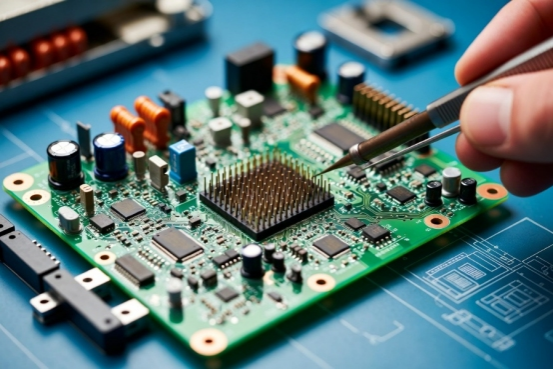
Selecting the right PCBA supplier is a major step for electronics brands. This matters because product reliability relies on more than just basic PCB assembly skills. A vendor's quality management system plays a huge role. It decides how well the team handles materials and manufacturing steps. Furthermore, this system impacts inspection methods and the final performance of the item. When checking a potential partner, buyers must know exactly what a PCBA is. In addition, they should learn which quality details directly shape the assembly outcome. As a professional PCBA supplier and skilled electronics manufacturing partner, we offer PCB making, assembly, and engineering help. We bring integrated production tools to the factory floor. These resources help clients handle their quality, speed, and delivery needs.
Why Quality Management Systems Matter for PCBA Suppliers?
Quality Management Controls Every Stage of Production
When evaluating a professional PCBA supplier, buyers should look beyond final inspection and examine how quality is controlled throughout the entire manufacturing process. A reliable supplier should control the entire manufacturing workflow, including:
Quality Control Stage | Key Control Items | Purpose |
Material receiving | Component verification, BOM checking, supplier management | Prevent incorrect or defective parts |
PCB fabrication | Layer structure, material selection, surface finish | Ensure board reliability |
SMT assembly | Placement accuracy, solder paste control, reflow profile | Improve soldering quality |
Inspection | AOI, X-ray, ICT, functional testing | Detect assembly defects |
Final quality review | Appearance, electrical performance, packaging | Ensure shipment readiness |
A supplier with a structured quality system can reduce production risks and provide more stable results for prototypes and mass production.
How Should Buyers Evaluate a PCBA Supplier Quality Management System?
Review PCB Manufacturing and Assembly Capabilities
Manufacturing Capability Determines Product Reliability. Before selecting a PCBA provider, buyers should first evaluate whether the supplier has the technical ability to support their product requirements. Different electronic products require different PCB structures, materials, and assembly methods.
When evaluating a PCBA supplier, buyers should check whether the manufacturer has the technical capabilities required for their specific projects. Key considerations include the supported PCB layer count, available materials, minimum trace and spacing capabilities for high-density designs, compatibility with component packages such as BGA and QFN, assembly technologies such as SMT and THT, and testing methods used to verify product quality.
A supplier supporting only basic PCB projects may not be suitable for advanced applications requiring high-density interconnects or special materials.For buyers looking for an industrial PCBA supplier, it is very important to evaluate those technical capabilities provided by a supplier to support you for long time for your product development.
Evaluate SMT and Through-Hole Assembly Processes
Advanced Assembly Technology Improves Production Consistency. Modern electronic products often require compact designs with smaller components. SMT technology plays an important role in achieving high-density assembly, while through-hole technology remains important for components requiring stronger mechanical connections.
A capable PCBA supplier should provide flexible assembly options, including SMT, THT, and mixed technology assembly. The supplier should also support single-sided and double-sided placement, fine-pitch components, and complex packages such as BGA and QFN.
PCBA Store provides SMT assembly, through-hole assembly, and mixed technology assembly services. Its assembly capability supports fine-pitch components, BGA, QFN, and various electronic components used in complex circuit designs.For buyers comparing PCBA China manufacturers, assembly flexibility is an important factor because it directly affects production efficiency and product design options.
Assess Inspection and Testing Systems
Multiple Inspection Methods Ensure Assembly Quality. A professional PCBA manufacturer should use multiple inspection methods because different defects require different detection technologies.
For example:
A reliable PCBA supplier should use multiple testing methods, including visual inspection for obvious manufacturing issues, AOI for component placement and soldering defects, X-ray inspection for hidden BGA solder joints, ICT for electrical verification, and functional testing to confirm final board performance.
PCBA Store applies AOI, X-ray inspection, ICT, and functional circuit testing during PCB assembly quality control. These inspection methods help identify possible issues before products are delivered to customers.

Check Engineering Support and Design Review Ability
Engineering Review Reduces Production Problems. Manufacturing quality starts before production begins. PCB files and component selections can directly influence assembly difficulty, cost, and reliability.
When selecting a supplier, buyers should check whether the manufacturer provides engineering support, such as PCB design review, DFM analysis, component verification, manufacturing recommendations, and cost optimization solutions.
Following proper PCB design tips during the early design stage can help prevent issues such as insufficient spacing, unsuitable component selection, and difficult assembly processes.
A supplier that provides engineering feedback can help customers improve manufacturing ability before production. PCBA Store offers engineering file review before manufacturing, allowing technicians to identify potential problems before PCB production begins.
Consider Production Speed and Delivery Management
Quick Turnaround Requires Strong Manufacturing Control. Many electronics companies need fast production cycles, especially during prototype development and product upgrades. However, speed should not reduce quality.
To find a PCB manufacturer with quick turnaround, buyers should evaluate the supplier’s production planning, manufacturing equipment, engineering support response, material management process, and quality inspection capability.
PCBA Store supports prototype assembly and mass production. Its PCB assembly services provide normal production times of 1-10 days depending on project requirements, with express options available for urgent projects.
FAQ :
Q: What is PCBA and why is quality control important in PCBA manufacturing?
A: PCBA refers to a printed circuit board assembly, which is a PCB with electronic components mounted and soldered onto the board. Quality control is essential because defects in components, soldering, or assembly processes can affect product reliability and electrical performance. A professional PCBA supplier should have a complete quality management system to identify and prevent problems throughout manufacturing.
Q: How can I choose a reliable PCB assembly supplier?
A: Buyers need to check a vendor's making skills. You should look at their checking systems, tech help, and past work. A solid PCBA provider must handle SMT, THT, and BGA assembly. They also need to do functional testing. At the same time, they must offer clear talk and steady quality checks. You can look at their papers and tracking tools. Reading what past clients say is smart too. These steps will help you spot a professional PCBA supplier.
Q: What testing methods are used in PCBA manufacturing?
A: Factories use a few main PCBA testing ways. These include basic visual checks, AOI, X-ray, ICT, and real functional testing. These steps help find various flaws. For instance, they catch wrong part spots. They also spot hidden solder issues. A factory with top-notch checking gear is better. They will boost your board's safety and lower quality risks.
Q: How do I find a PCB manufacturer with quick turnaround and reliable quality?
A: To find PCB China manufacturers with quick turnaround, buyers must check factory output limits. Look at how fast their engineers reply. You should also check their parts handling and web order tools. Quality steps matter just as much. Quick shipping needs strong making steps. It should never come from skipping checks. Some places offer a one-stop PCBA manufacturing capability . This kind of setup makes planning easier. It will also cut down your project time.
Q: How should companies evaluate PCBA supplier performance after approval?
A: Checking your vendor does not stop after you say yes. It must go on after the work starts. Firms need to look at quality results often. You should track if they ship on time. Also, check their tech help and how well they talk with you. It is vital to watch error rates and factory logs. Tracking data and fixing steps is a must too. This keeps the vendor's work steady. It ensures they meet new product needs over time. This is highly true for an industrial PCBA supplier.
Conclusion
Assessing a PCBA supplier quality management system requires more than checking prices or production speed. Buyers should carefully review manufacturing capabilities, assembly technology, inspection methods, engineering support, and production management processes. A reliable supplier should provide consistent quality from PCB fabrication to final assembly while supporting both prototype development and large-scale production. PCBA Store focuses on providing one-stop PCB and PCBA solutions with engineering experience, advanced manufacturing capability, and quality-focused production management to support global customers.



