General, quoting & support.
Add: Building E, No.58, Nanchang Road, Xixiang , Baoan District Shenzhen City, Guangdong, China
Tel : 0755-27348887
Fax : 0755-27349876
E-mail : svc@pcbastore.com

Mastering the Future of Connectivity: A Deep Dive into Flexible PCB Assembly Technology
PCBA Store / 2026-03-19
Contents [hide]
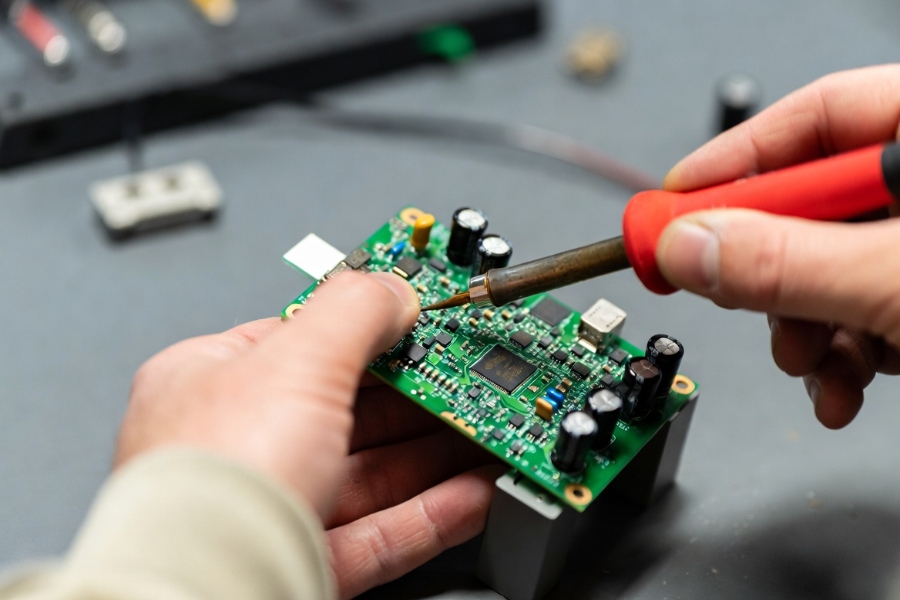
As electronic gadgets keep getting smaller but pack more features, makers are shifting to flexible circuit methods. This shift helps gain more layout options and sturdiness. Flexible printed circuit boards (FPCBs) let designers build small, light, and strong electronic setups. These setups appear in smartphones, medical tools, and plane systems. Such perks turn flexible circuits into a vital part of today's electronics manufacturing.
Still, creating dependable flexible circuits calls for an exact pcb assembly process. It also needs special materials and modern machine tools like smt assembly and surface mount pcb assembly. At this point in the early phase of new ideas in flexible electronics, firms like PCBA Store work on providing solid PCBA manufacturing solutions. These answers back tricky layouts and good electronics output.
1. What Is a Flexible PCB?
A flexible printed circuit board is a kind of circuit board made on a bendable base material like polyimide (PI) or polyester (PET). This setup lets the board curve, bend, or turn without hurting the power links.
Unlike usual stiff boards from FR-4 bases, flexible PCBs are built to handle physical strain. At the same time, they keep steady power work. Their special build lets circuits fit into odd forms or cramped spots in electronic items.
Flexible PCBs see broad use in fields like:
· Consumer electronics (smartphones, tablets, wearables)
· Medical equipment and portable diagnostic devices
· Automotive electronics and sensors
· Aerospace and defense systems
Since they cut out heavy wires and plugs, flexible circuits boost reliability. They do this by lowering spots where failures might happen in electronic builds.
For electronics makers, flexible circuits offer a strong mix of layout, bend and power output.
2. What Is Flexible PCB Assembly?
Flexible PCB assembly means the job of fitting electronic parts onto a flexible circuit board. It turns the board into a working electronic unit.
In the pcba process, parts like resistors, capacitors, ICs, and plugs get fitted to the board. This happens through forward methods such as:
· smt pcb assembly
· Through-hole soldering
· Reflow soldering
· Automated inspection and testing
The aim of pcb assembly is to make solid power ties between parts and the power paths on the board.
A common pcb assembly process covers:
1. Solder paste printing
2. Component placement
3. Reflow soldering
4. Inspection and testing
These actions make sure the circuit runs right. They also match the needed quality levels.
Flexible boards need extra care. Their slim bases can warp easily while making.
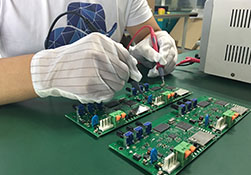
3. Flexible PCB Materials
Choosing materials matters a lot for flexible circuit work and lasting power.
Polyimide (PI)
Polyimide is the top choice for bases in flexible PCBs. It offers great heat resistance and physical toughness. This material does well in hot settings. It fits aerospace and factory electronics.
Polyester (PET)
PET costs less and is often used in consumer electronics. There, top heat resistance is not needed.
PEN (Polyethylene Naphthalate)
PEN gives better physical steadiness. It often serves in high-trust uses.
Each material affects the final pcb assembly cost, output, and long-term sturdiness of the gadget.
4. Advantages of Flexible PCB Assembly
Flexible circuits bring several big perks over usual stiff PCBs.
Compact Design
Flexible boards allow 3D circuit setups. This cuts the need for plugs and wires. As a result, makers can build tinier and lighter gadgets.
Improved Reliability
Flexible circuits lower link spots. Thus, they cut the chance of solder joint breaks and power cutoffs.
Enhanced Performance
Flexible circuits back dense path routing and fast signals. This makes them perfect for current quick electronics.
Reduced Assembly Complexity
Flexible boards let one circuit build replace many stiff boards and wire sets.
These perks make flexible circuits a key fix for upcoming electronics making.
5. Key Steps in the Flexible PCB Assembly Process
The flexible pcba process has many stages. They ensure steady quality and solid power output.
5.1 Preparation Before Assembly
Before making a start, a few ready steps are needed:
· Material inspection
· Component verification
· Moisture removal through baking
· Surface cleaning and preparation
These steps stop dirt and ensure good solder stick during assembly.
5.2 SMT Component Placement
Most new electronics depend on surface mount pcb assembly. Auto pick-and-place tools set tiny electronic parts exactly on the board.
In smt assembly, key things must be watched closely:
· Component placement accuracy
· Board support and alignment
· Pressure applied to delicate flexible substrates
Auto placement tools use computer guides to set parts on PCB pads right before soldering.
5.3 Reflow Soldering
Once parts are set, the board goes into a reflow oven. There, solder paste melts and makes lasting power ties.
Heat plans must be handled with care. This avoids harm to the flexible base.
5.4 Manual Component Installation
Some parts like plugs or big ones may need hand fitting. Workers check the board by eye before and after hand placement. They make sure it lines up well.
5.5 Testing and Quality Control
Quality checks rank as one of the top steps in pcba manufacturing.
Usual check and test ways cover:
· Visual inspection
· X-ray inspection
· Electrical continuity testing
· Functional testing
These tests show the circuit board works as planned. They also meet trust levels.
6. Factors Affecting PCB Assembly Cost
Several things shape the full pcb assembly cost. These include:
Design Complexity
Boards with lots of parts or tight-pitch items need better assembly tools.
Production Volume
Test runs or small batches often cost more per piece than big jobs.
Component Sourcing
Part supply and getting logistics can change making times and costs a lot.
Assembly Technology
Methods like turnkey pcb assembly help. In this, a maker handles both building and part getting. It smooths the supply line and cuts total project costs.
Designers often ask for a pcb assembly quote early on. This helps with guess-making costs and tweaks the layout for easy building.
7. Flexible PCB Assembly Applications
Flexible PCBs have turned the key in many forward tech fields.
Consumer Electronics
Flexible circuits make slim and light gadgets possible. Examples include smartphones, tablets, and wearable electronics.
Medical Devices
Handheld check tools, watch systems, and implant gadgets use flexible electronics. They need small layouts.
Aerospace and Defense
Flexible electronics raise trust in spots with shakes, heat changes, and tight setup rooms.
As electronics keep moving to smaller sizes and better output, flexible circuit methods will stay central to new ideas.
Call to Action: Partner With a Trusted PCB Assembly Supplier
Solid electronics output needs a skilled pcb assembly supplier. This supplier should have modern tools and firm quality checks.
At PCBA Store, we focus on full PCB assembly, custom PCB assembly, and turnkey PCB assembly work for worldwide electronics firms. As a pro maker and factory, we cover all from PCB assembly and prototype building to big PCBAs.
Our skills cover:
· Advanced SMT PCB assembly production lines
· Full surface mount pcb assembly and through-hole services
· Component sourcing and supply chain management
· Rapid pcb assembly quote and online ordering
· High-precision testing and inspection systems
With good design know-how and a steady production setup, our group aims to give even quality and quick output for tricky electronics jobs.
Firms looking for a sure-making teammate can look at our work. They can ask for a guess via our online quote site.
FAQ
What is PCB assembly?
PCB assembly (PCBA) is the process of mounting electronic components onto a printed circuit board and soldering them to create a functional electronic module.
What is the difference between PCB fabrication and PCB assembly?
PCB fabrication produces the bare circuit board, while PCB assembly installs electronic components and completes the electronic circuit.
What is turnkey PCB assembly?
Turnkey PCB assembly is a service in which a manufacturer handles the entire production process, including PCB fabrication, component sourcing, assembly, and testing.
How long does PCB assembly take?
Production time depends on board complexity and order volume. PCB assembly prototype projects can often be completed in a few days, while large production runs may take several weeks.
How can companies get a PCB assembly quote?
Most manufacturers provide an online pcb assembly quote system where engineers upload design files, BOM lists, and quantity requirements to receive an estimated cost.
You Might Like:
Choosing the Right Fast Turn Flex PCB Manufacturer
Why Is Flexible PCB Manufacturing the Future of Electronics Assembly
Exploring Different Types of PCBs: Materials & Applications
Step-by-Step Guide to the Flex Printed Circuit Board Assembly (FPCBA) Process



