General, quoting & support.
Add: Building E, No.58, Nanchang Road, Xixiang , Baoan District Shenzhen City, Guangdong, China
Tel : 0755-27348887
Fax : 0755-27349876
E-mail : svc@pcbastore.com

PCBA Manufacturing Cost Structure and Pricing Strategy Guide
PCBA Store / 2026-05-20
Contents [hide]
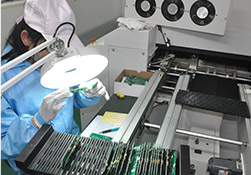
In today’s fast moving electronics market, PCB manufacturing and assembly in China has become a cornerstone for OEMs and innovators aiming for competitive cost and speed without compromising quality. Understanding how costs accumulate and how pricing is structured enables you to make smarter decisions — whether you are running a prototype PCB assembly or planning high volume production. At PCBA Store, our mission is to help engineers, procurement teams, and product leads navigate PCB pricing and PCBA cost analysis with clarity and transparency, leveraging over a decade of direct manufacturing experience.
What Drives PCBA Manufacturing Costs
In any printed circuit board assembly project, costs are not a single figure; they are the sum of many interlocking variables. Knowing what each part of the total cost represents empowers you to control spending proactively.
Core Cost Components
An effective PCBA cost analysis begins with breaking down the major categories of expenditure. According to industry practices:
Cost Element | Typical % of Total Cost | What It Covers |
Component Procurement | ~50% | All parts listed in your BOM (Bill of Materials), stocked and sourced components |
SMT & Assembly Labor | ~20% | Placement, soldering, reflow, through hole processing |
Bare PCB Fabrication | ~10% | Materials, drilling, lamination, plating |
Testing & Logistics | ~10% | AOI/X ray, functional testing, shipping |
Other Overheads | ~10% | Engineering file review, tooling, handling |
This KPI driven structure helps you identify where optimization effort yields the greatest impact.
BOM and Component Sourcing
Your component procurement strategy is the largest cost bucket. Consolidating parts, choosing cost effective equivalents, and including alternative part numbers in your BOM lets suppliers better negotiate pricing and manage inventory. For highly specialized chips, lead times and pricing can vary dramatically — often adding days to quotation turnaround.
Assembly Technology
Different assembly technologies carry different cost profiles:
· Surface Mount Technology (SMT) is efficient for high-density boards and tends to reduce labor costs.
· Through Hole Technology (THT) is slower but necessary for mechanically robust parts.
· Mixed SMT/THT boards increase setup time and cost due to dual processing paths.
By choosing assembly types wisely based on performance requirements, you can control unnecessary cost.
Order Size and Lead Time
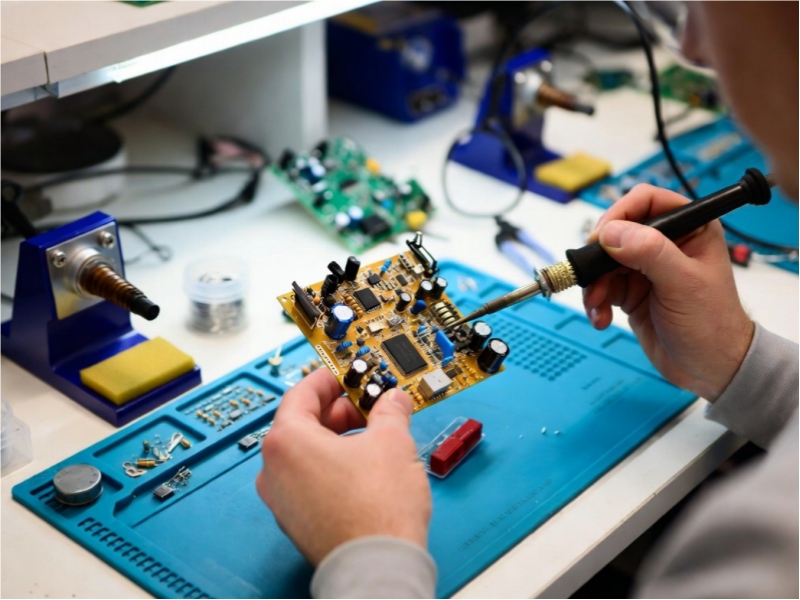
Volume drives efficiency. Small prototype runs may have higher per unit costs because setup time remains largely the same, no matter how many boards you produce. As quantity scales, setup fees are amortized over more pieces, reducing per unit cost. Rush turnaround demands also elevate costs by forcing schedule priority and overtime.
Instant Quoting: Design Files and Quote Workflow at PCBA Store
One of the most impactful advancements in manufacturing quotes is real time pricing through online tools. With tools like PCBA Store’s instant quote system, you can see pricing for both fabrication and assembly in seconds based on your design data.
Design Files Required
To ensure accurate quotes:
· Gerber Files: These define your PCB layers, copper features, solder masks, and silkscreens. They are the basis for most PCB pricing systems.
· BOM: A comprehensive Bill of Materials with manufacturer and part numbers, reference designators, and quantities lets pricing engines or sales engineers compute part costs accurately.
Without these files, any price quote is a rough estimate rather than a real cost.
Quoting Process Explained
Here is how we streamline quote delivery:
1. Instant Online Quote: Upload Gerber files or enter PCB parameters on our quote form. You receive immediate pricing for PCB board assembly and fabrication.
2. BOM Submission: Send your BOM to our sales team for detailed parts pricing if automated aggregation isn’t sufficient.
3. Sales Assisted Quote: For complex jobs or special needs, you can email files and requirements for tailored quotes, usually within a day.
This blend of automated and human validated quoting accelerates your procurement cycle while preserving accuracy.
Design Optimization to Control Costs
Good product design lowers manufacturing costs significantly. This is especially true for prototype PCBA, where budgets are tight, and turnaround speed is critical.
Smart PCB Layout
· Minimize Layers: More layers add complexity and cost. Use only as many as functionally necessary.
· Standard Trace Width and Spacing: Keeping within common tolerances avoids extra fabrication charges.
· Optimized Panelization: More efficient nesting on fabrication panels reduces waste.
These changes reduce raw material and setup costs at the source.
BOM Standardization
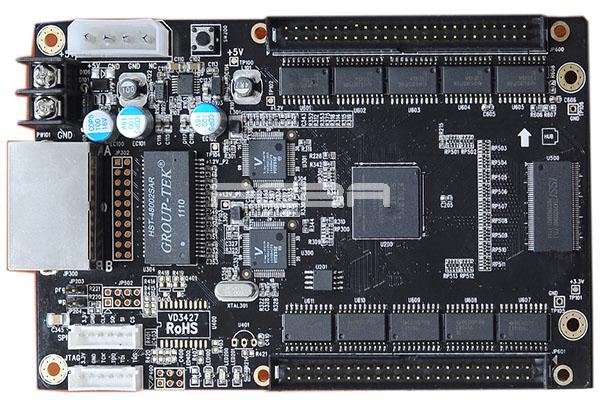
Standard parts — especially mainstream resistors and capacitors — are usually stocked and cheaper. Consolidating part types and avoiding niche packaging reduces procurement premiums.
Process Selection
Choosing simpler finishes and technologies when acceptable (e.g., lead free solder where possible, conventional surface finishes) can yield cost savings without sacrificing compliance.
Test Strategy
Embracing efficient testing strategies, such as flying probe during prototype phases versus fixture based tests for mass production, can trim costs significantly over time.
Summary
A well structured understanding of PCB pricing and PCBA cost analysis helps you proactively manage your budgets and accelerate development. By leveraging online quotation systems, optimizing your design and BOM, and understanding how labor and assembly technologies contribute to total cost, your business can find the right balance between performance, cost, and time to market.
PCBA Store combines instant online quotes, advanced manufacturing capabilities, and deep expertise in PCB manufacturing and assembly in China to support your projects from prototype PCB assembly to high volume production.
Get Started
Ready to get a detailed price tailored to your design?
Get an instant online quote — upload your Gerber file now. Contact our support team for process guidance and cost savings tips.
FAQ
What files do I need to get an accurate PCB quote?
Critical files include Gerber data for your board layers and a complete BOM with reference designators and manufacturer part numbers. Accurate files lead to precise manufacturing quotes rather than estimates.
Can I order a single prototype PCB assembly?
Yes. Many manufacturers, including PCBA Store, support PCB assembly prototype orders as small as a single unit, though ordering a few pieces is often recommended for functional verification.
How long does an instant quote take?
Automated pricing tools deliver real time estimates once you upload your design parameters or Gerber files. For detailed BOM pricing, expect up to 1–2 business days.
Will rush production increase my cost?
Yes. Short lead times can increase cost by up to ~30% because of schedule priority and resource allocation. Longer lead times often lower per board prices.
Are quality checks included in assembly pricing?
Standard pricing includes key checks like AOI (Automated Optical Inspection) and electrical tests. Advanced inspections (X ray) may incur additional costs depending on complexity.
You Might Like:
High-Current PCBAs for Solar Energy System (Inverter, BMS, etc.)
Multilayer PCB Benefits and Applications



