General, quoting & support.
Add: Building E, No.58, Nanchang Road, Xixiang , Baoan District Shenzhen City, Guangdong, China
Tel : 0755-27348887
Fax : 0755-27349876
E-mail : svc@pcbastore.com

What Is Reflow Soldering and How It Works in PCB Assembly
PCBA Store / 2026-07-03
Contents [hide]
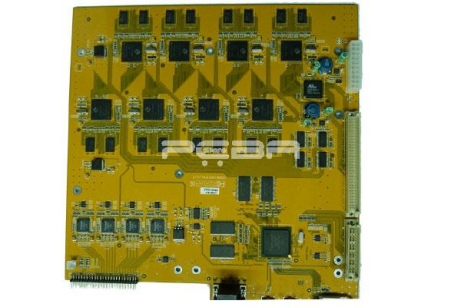
Reflow soldering acts as a vital step in modern PCB Assembly. It directly shapes product reliability. It also impacts electrical performance and long-lasting stability. SMT lines rely heavily on precise thermal profiles during high-mix and large-scale manufacturing. This ensures uniform solder joints across every batch of boards. At PCBA Store, we build reflow soldering right into a strictly managed PCB Assembly workflow. This setup helps OEM and ODM buyers by offering steady production, thorough engineering checks, and flexible output volumes.
Understanding Reflow Soldering in PCB Assembly
What reflow soldering means in SMT production
Reflow soldering is a specific heat-based technique used throughout SMT PCB Assembly. During this stage, solder paste melts, forming permanent electrical and physical connections between parts and board pads. This method differs from manual work or selective approaches. Instead, it depends on exact temperature management inside a dedicated reflow oven.
The complete reflow soldering process covers several steps. These include solder paste printing, part placement, careful heating, melting, and final cooling. Every single phase deeply impacts the resulting solder joint quality. They also shape the overall PCBA performance.
Why reflow soldering is essential for mass production
B2B buyers usually value consistency over the performance of just one unit. Reflow soldering guarantees repeatable outcomes across thousands of identical boards. When you compare it to manual handwork, it cuts down human mistakes greatly. It also boosts the overall yield rate.
Across PCBA Store production lines, every single PCB experiences standard thermal control. This guarantees an even solder spread and solid electrical links. Such tight control becomes incredibly important for fine-pitch parts like BGA and QFN packages.
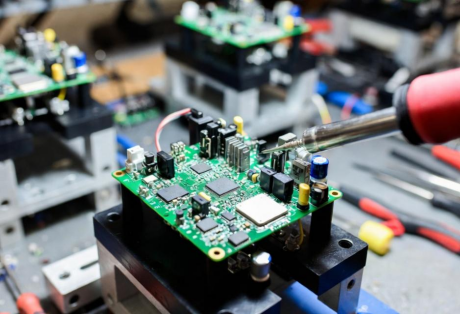
How the Reflow Soldering Process Works Step by Step
Solder paste printing and placement accuracy
The operation starts by printing solder paste through a stainless steel stencil. Both the paste thickness and its alignment decide how strongly parts will attach during the heating phase. Right after printing, SMT machines drop the components exactly onto the designated PCB pads.
This specific stage directly influences the risk of errors. Common issues include poor alignment or lacking enough solder volume. For high-density PCB Assembly, teams control placement accuracy down to micrometer-level limits.
Controlled heating stages inside reflow ovens
The reflow soldering process breaks down into several distinct thermal zones:
· Preheat zone: gradually raises the PCB temperature to activate the flux
· Soak zone: balances the heat evenly across the whole board
· Reflow zone: melts the solder paste to build strong joints
· Cooling zone: hardens the fresh solder connections
Managing the temperature profile acts as the main engineering factor here. A normal industrial profile looks like this:
Stage | Temperature Range | Function |
Preheat | 25–150°C | Flux activation |
Soak | 150–180°C | Thermal balance |
Reflow | 220–245°C | Solder melting |
Cooling | <180°C | Joint solidification |
This carefully managed procedure ensures very stable solder joints. It also stops common flaws like tombstoning or unwanted bridging.
Cooling and solidification for long-term reliability
Cooling serves as more than just the last step. It actually forms the internal layout of the solder joints. A well-managed cooling speed lowers internal stress. It also boosts resistance against physical fatigue. This remains strictly required for industrial-grade PCB Assembly.
Reflow Soldering vs Wave Soldering in PCB Manufacturing
When reflow soldering is preferred
Manufacturers mainly use reflow soldering for SMT parts. It fits perfectly with tight, high-density PCB layouts that demand high precision. Furthermore, it easily handles full automation and massive production volumes.
When wave soldering is used
Factories typically apply wave soldering to through-hole parts. The boards travel over a liquid solder wave to create the required connections. It offers less accuracy for tiny items. However, it stays highly efficient for older designs or mixed-technology boards.
Key comparison in industrial PCB Assembly
Grasping the differences of reflow vs wave soldering helps buyers pick the correct manufacturing route. During many complex projects, factories combine both techniques. They run them together inside wave soldering and reflow soldering hybrid production setups.
Factor | Reflow Soldering | Wave Soldering |
Component type | SMT components | Through-hole |
Precision | High | Medium |
Automation level | High | Medium |
Density support | High-density PCB | Lower density |
Common use | Smartphones, control boards | Power modules |
Throughout modern PCB Assembly, reflow takes the lead mostly because devices keep getting smaller.

Engineering Control Behind Stable Solder Reflow Results
Temperature profiling and process stability
The final quality of solder reflow relies heavily on strict temperature management. Even a tiny shift in the thermal profile can hurt solder wetting. It might also damage the long-term joint reliability.
We utilize live thermal profiling tools to watch over every single batch. This action guarantees that each PCB follows a tested temperature curve before it moves into heavy mass production.
Inspection systems after reflow soldering
Right after the heating stops, every board goes through strict checks:
· AOI (Automated Optical Inspection) spots surface-level flaws
· X-ray inspection looks closely at hidden joints like BGA
· Electrical testing confirms the circuit works properly
These specific steps catch errors long before the final shipment. They also lower the chances of unexpected failures later on.
PCB Design Factors That Affect Reflow Performance
The physical PCB layout directly shapes the final heating quality. The main factors include:
· Copper distribution changes how the board absorbs heat
· Pad design alters the way the solder behaves while wet
· Board thickness shifts the overall thermal balance
· Component density makes the heating process more complex
A deep Design for Manufacturability (DFM) check happens right before production begins. This early step cuts down possible risks during the initial engineering phase.
If you require DFM validation or wish to verify your file compatibility, simply upload your design for a quick review right here.
PCBA Store PCB Assembly Capability Overview
PCBA Store merges bare board fabrication and PCB Assembly into one smooth manufacturing system. Our core capabilities feature:
· SMT PCB Assembly driven by a closely watched reflow soldering process
· Parts sourcing alongside detailed BOM management
· Thorough engineering reviews prior to actual production
· Full support for both small prototypes and massive production runs
· Advanced final testing and dedicated inspection setups
We run our floors using highly standardized manufacturing workflows. This strict approach maintains top consistency from the first prototype all the way to large-scale output.
FAQ for PCB Assembly Buyers
How is PCB Assembly pricing calculated for reflow soldering projects?
The final pricing relies heavily on the board's complexity and the overall part density. It also factors in the BOM cost and the requested production volume. A proper engineering review must happen before we issue the final quotation.
What is the difference between reflow soldering and wave soldering?
Makers use reflow soldering mainly for SMT parts that need high precision. On the other hand, wave soldering works best for through-hole items placed on less crowded board designs.
How do you control quality during solder reflow production?
We actively utilize thermal profiling and sharp AOI checks. We also add X-ray testing and thorough electrical validation. These steps guarantee solid solder joints while lowering the overall defect rates.
Can you support both prototype and mass production?
Yes, we gladly support small-batch prototyping. We also handle massive, scalable production runs. Through it all, we maintain strict process control across every single stage.
What file formats are required for online quotation?
We simply need your Gerber files and clear BOM lists. Our skilled engineering team reviews them closely before sending over a highly detailed quotation.
Conclusion
Reflow soldering continues to act as the strong foundation for reliable SMT PCB Assembly. It directly sways electrical performance and ensures long-term product stability. A tightly managed reflow soldering process promises highly consistent solder joints. It cuts down on flaws and beautifully supports scalable manufacturing for the worldwide electronics market.
Here at PCBA Store, we blend deep engineering reviews with automated SMT production. We also enforce strict quality checks to provide incredibly stable PCB Assembly solutions for OEM and ODM buyers everywhere. Feel free to upload your files or ask for an online quotation at any moment. This will help you launch your project quickly and efficiently.
Previous article:SMT PCB Assembly Process Explained Step by Step



