General, quoting & support.
Add: Building E, No.58, Nanchang Road, Xixiang , Baoan District Shenzhen City, Guangdong, China
Tel : 0755-27348887
Fax : 0755-27349876
E-mail : svc@pcbastore.com

Why Drone PCB Assembly Service Improves UAV Safety and Stability?
PCBA Store / 2026-08-07
Contents [hide]
Introduction
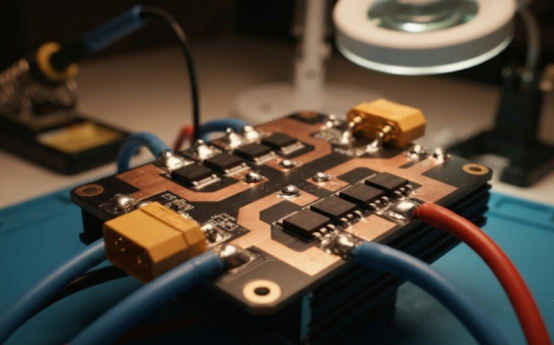
Modern UAVs rely on stable electronic systems to support accurate navigation, communication, imaging, and autonomous operations. As drone applications expand into agriculture, inspection, mapping, and security, the reliability of every electronic component becomes increasingly important. Drone PCBA assembly plays a key role in improving performance by ensuring precise connections, consistent quality, and stronger resistance to operational challenges. From sensor integration to flight control systems, reliable PCB assembly helps drones achieve safer and more stable performance.
What Does Drone Sensor PCB Assembly Involve?
Core Components Found in Drone Sensor Boards
These boards pack many delicate devices into a very tight space. Common pieces include pressure monitors, movement trackers, tracking units, power managers, filters, and wire plugs. All these items must work together smoothly. They cannot create extra heat. They also must avoid static and power drops.
Picking the right parts helps the device last longer. When a small drone PCB board holds many features in a tiny area, every single piece and connection point is highly important.
Key Stages in the Assembly Process
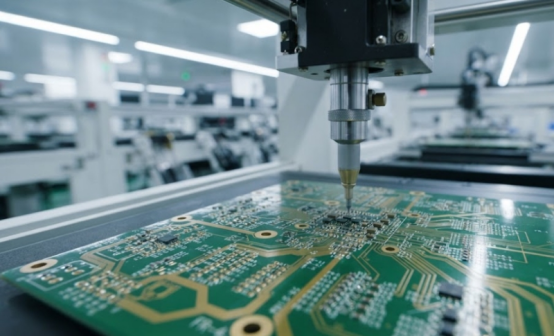
The building phase involves several steps. It starts with board creation and paste printing. Next comes part placement and heat soldering. Finally, workers inspect and test the system. Being exact at each step makes the finished product much stronger.
PCBA Store offers strong options for SMT, through-hole, and mixed-style builds. This allows PCBA Store to handle customer needs in one place at a fair price. For UAV systems, this matters greatly. Mixed builds might put tiny SMT parts right next to heavy-duty plugs or power units. A trusted drone PCB assembly service manages these complex mixes with steady factory rules.
How Precision Assembly Supports Electronic Reliability?
Accurate Component Placement and Signal Stability
Putting parts in the exact right spot is vital for these devices. Crowded layouts leave zero room for mistakes. A slightly crooked IMU can cause trouble. A poorly placed filter or radio part will increase static. This directly hurts the system setup.
Small drone PCB solutions rely on highly exact robotic placement tools. They also follow strict design rules. In the real world, this creates cleaner data outputs. It leads to better drone PCB EMI control. Ultimately, it makes the aircraft fly exactly as expected.
Solder Joint Quality and Long-Term Durability
Flying machines deal with constant shaking from their motors and blades. They also take hard hits during liftoff, landing, and travel. Bad solder connections will break over time. This causes random power drops or total system failures.
PCBA Store uses top-tier machines for single- and double-sided heating. Steady melting methods lower the risk of mistakes between different units.
The Role of Material and Design Choices in Reliability
PCB Materials That Support Harsh Operating Conditions
These aircraft fly through rain, dirt, high heat, freezing winds, and bright sun. The base material must handle these settings without changing its shape or power flow. FR-4 remains a popular choice. However, some heavy-duty tasks might require aluminum-backed or ceramic bases to manage high heat.
Common choices include FR-4, PI, Aluminum, Ceramic, and PTFE. The right base material changes how well the unit cools down. It keeps the size exact. It also fights off physical stress over many years.
Layout Practices That Reduce Failure Risks
Smart wire routing and solid grounding stop unwanted static. This keeps data readings highly accurate. Power flow needs to stay even across the layout. High-power zones should sit far away from sensitive radio lines. This rule is vital in drone circuit board design.
A smart layout directly improves drone sensor PCB assembly. It creates better spacing. It helps manage heat. It also makes the factory building phase much easier.
Quality Control Practices That Improve UAV Electronics
Inspection Methods Used During PCB Assembly
Basic eye checks find missing pieces. They spot backwards parts, bad angles, and obvious metal flaws. Automated camera checks offer even more help for crowded UAV layouts. PCBA Store uses AOI tools for strict visual quality checks.
Power tests check for broken lines, bad loops, and clear signal flows. Real-world tests make sure power managers and radio units act right before they go into the aircraft.
Why Testing Matters Before Boards Reach the Drone
Checking things early stops mid-air crashes. It cuts down repair bills and saves time. Finding a weak metal joint on a work desk costs very little. Finding it after an aircraft falls from the sky costs a lot.
How Professional Drone PCB Solutions Add Practical Value
Consistency Across Production Batches
Matching quality matters when companies want groups of aircraft to fly the exact same way. Small changes in metal joints, part spots, or data setups cause wild results between different units.
Meeting IPC class 3 rules is a major plus. Handling tiny parts like LCC, BGA, and QFN is also a big strength of PCBA Store. These skills matter for small UAV units that need matching quality every time.
Support for Custom Drone Applications
Different flying machines need different parts and shapes. Farm units need weather checkers. Map makers need flawless tracking. Factory checkers need extra defense against shaking. This is exactly where custom help shines.
PCBA Store’s drone PCBA turnkey service makes buying parts easy. It smooths out the building phase. It also keeps quality high for special UAV jobs.
What to Look for in a Drone PCB Assembly Service
Technical Capabilities and Process Control
Pick a partner that knows how to build tiny, crowded layouts. They must use strict factory rules. Holding an ISO9001:2015 certificate shows good discipline. It also helps if the builder handles SMT, THT, camera checks, and power tests all in one building.
Understanding of UAV-Specific Performance Needs
Flying electronics require a sharp focus on weight and shake defense. They need good cooling, low static, and pure data flows. A partner who knows UAV rules will give you highly reliable drone PCB solutions instead of basic, weak units.

Conclusion
Trustworthy UAV systems need more than just smart chips and good code. They need strict factory rules, exact part spots, and tough metal joints. They also require the right base materials and deep testing. For any group making a drone PCB board, picking a skilled drone PCB assembly service is vital. It boosts data accuracy. It lowers crash risks. It also keeps the machine flying well in real-world skies.
FAQs
What is the biggest reliability risk in drone sensor boards?
The top danger usually comes from heavy shaking mixed with bad wire links. Weak metal joints, tired plugs, and loose parts cause data wandering, random restarts, or total signal drops.
Why is drone PCB EMI control important?
Drones pack motors, power lines, radio parts, trackers, and delicate monitors into a tiny space. Smart layouts, strong grounds, metal shields, and filters block static. This static can ruin location tracking and flight steadiness.
How does a drone GPS module PCBA affect flight performance?
A well-built tracking unit gives very steady location details. It keeps signals pure. It also stops errors caused by bad metal joints or radio static. This directly helps the aircraft follow routes, hover tightly, and fly on its own.
What should I expect from a drone PCB testing service?
You should get camera checks, wire tests, and power reviews. You also need real-world checks for the monitors and radio parts. Top-tier drone PCB testing service options might also add weather or shake tests, depending on your exact job needs.
Is a drone PCBA turnkey service better for custom UAV projects?
Yes, in most situations. A full-service partner handles buying parts, building, checking, and shipping all in one flow. This stops communication mistakes. It helps keep custom drone PCB solutions perfectly matched from the first test model to the final sales units.
Previous article:What Makes AI Robot PCB Assembly Reliable for Next-Generation Robotics?



