General, quoting & support.
Add: Building E, No.58, Nanchang Road, Xixiang , Baoan District Shenzhen City, Guangdong, China
Tel : 0755-27348887
Fax : 0755-27349876
E-mail : svc@pcbastore.com

PCBA Soldering Techniques
PCBA Store / 2026-03-06
Contents [hide]
In PCBA Soldering, getting solid electrical links is basic to making good printed circuit board assemblies. This key part uses melted solder to join parts firmly to the PCB. It ensures lasting strength, good flow of power, and steady work. Usual solder kinds cover Lead-Free Soldering mixes that follow RoHS rules. Soldering with Lead stays open for certain uses. Main supplies like Solder Paste—a mix of fine solder powder and flux—and Solder Mask—which guards pads and stops solder bridges—play big parts in the job. At PCBA Store, we use strong Soldering Techniques in our Shenzhen plant. This lets us give exact, quick PCBA answers as a sure maker and seller.

An Overview of the PCBA Process
Knowing the whole PCBA flow shows where soldering fits in. It also explains why picking the right technique counts.
Apply Solder Paste
The job starts by putting Solder Paste on the set pads. We use auto stencil printers with solder paste inspection (SPI). This makes sure the paste goes on right. The paste is a mix of solder bits and flux for firm joins. Our auto Solder Paste printers give tight control. They handle small-pitch needs down to 01005 parts.
Place the Components
After that, pick-and-place machines set parts on the paste spots. We pick Yamaha and Panasonic surface mounters. They place SMT parts fast and true, like resistors, capacitors, BGAs, QFNs, and small-pitch ICs. For THT parts, leads go into drilled spots.
Soldering
Soldering locks parts in place for good. It melts the Solder Paste or mixes to make steady joins. Methods change by build type. Reflow works for SMT-heavy boards. Wave fits THT. Selective suits mixed or tricky setups. Cooling sets the links without harm to soft parts.
Inspect the Assembly
After soldering, checks look for flaws. AOI spots surface problems. X-ray sees hidden joins in BGAs/QFNs. Visual looks add more. This step checks solder joint quality. It finds troubles like gaps or poor spread.
Testing
Last tests cover in-circuit testing (ICT), functional circuit testing (FCT), and client-set steps. They prove electrical work and steadiness.
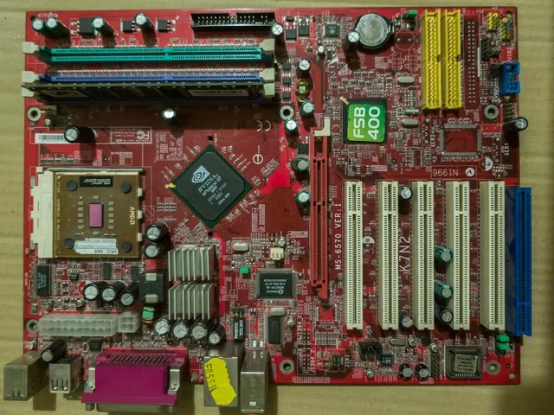
Primary PCBA Soldering Techniques: Reflow and Wave
The top three Soldering Techniques—reflow, wave, and selective—fit different part kinds and board plans.
Wave Soldering
Wave soldering starts with flux put-on. Then, the PCB goes over a fixed wave of melted solder. This comes from a pump under. The wave covers through-hole spots and pads. It makes strong links. This suits mostly THT boards. It can adjust for some SMT too. New systems back both Lead-Free Soldering and tin-lead mixes. Needs have dropped with SMT growth. But wave stays key for big-run THT or mixed builds. These need tough hold joins.
Reflow Soldering
Reflow soldering leads for SMT builds. First, Solder Paste goes on by stencil. Parts get placed. The board moves through a multi-area air oven. The heat plan has a preheat. This dries solvents and starts flux. Then thermal soak evens the heat. Reflow melts at the mix point. Cooling sets it right. This makes exact, steady joins. It skips too much heat strain. For two-sided boards, we do each side one after the other. Reflow soldering does well with small-pitch and packed parts. It backs Lead-Free Soldering. We tune heat plans to skip flaws like tombstoning or graping.
Selective Soldering
Selective soldering hits set spots with fine nozzles. These bring melted solder. It fits mixed SMT/THT boards best. It keeps soft SMT parts from full-wave heat. At the same time, it soldered THT leads. This cuts heat strain. It lowers the flux left-over. It works well for tricky plans. Our ways focus on less waste and good steadiness in varied builds.
Benefits of Advanced Soldering Techniques in PCBA
Well-set Soldering Techniques boost build quality and speed.
Improved Joint Reliability
Exact hold in reflow and selective ways make sure of even spread and no-gap joins. This matters for high-steady uses.
Compatibility with Lead-Free Soldering
We back RoHS-fit Lead-Free Soldering. We use mixes like SAC305. Heat plans adjust for higher melt points. This stops problems.

Reduced Defects and Rework
Auto steps with SPI, AOI, and X-ray cut bridges, low solder, or cold joins. We hit over 99.5% pass rates.
Flexibility for Mixed Assemblies
Mixing methods lets smooth join of SMT and THT. It fits growing plans with small-pitch, BGA, and through-hole parts.
PCBA Soldering Expertise
Our skills cover full SMT and THT back, mixed builds, and strong gear for top PCBA Soldering. We manage small-pitch to 0.4mm, packs like 01005 and μBGA. Thermal plans fit best with reflow. Quality follows IPC-A-610F. Full checks make sure of no-flaw results.
As a true maker, seller, and plant in Shenzhen, we at PCBA Store give great PCBA Soldering and build services. Our joint way, fast turns, and push for quality make us the right team for your jobs. Get in touch now for a quick price. Feel steady, strong-work PCBA answers.
Frequently Asked Questions
What is the main difference between reflow and wave soldering in PCBA Soldering?
Reflow uses Solder Paste and oven heat for SMT parts. Wave uses melted solder waves mostly for THT boards.
When should Lead-Free Soldering be used?
Lead-Free Soldering is needed for RoHS rules in most user, medical, and car electronics. This meets green laws.
How does Solder Paste application affect soldering quality?
Right Solder Paste put-on by stencils and SPI makes sure of good amount and line-up. It cuts flaws like bridges or gaps.
What role does Solder Mask play in PCBA Soldering?
Solder Mask stops solder from going to wrong spots. It guards lines and cuts shorts in reflow or wave steps.
Can selective soldering handle mixed SMT and THT assemblies?
Yes, selective soldering hits spots just right. It suits hybrid boards with both part types.
Ready to Optimize Your PCBA Soldering Projects?
As a main maker, seller, and plant focused on strong PCBA Soldering methods, we at PCBA Store give full one-stop fixes from test models to big runs. With skill in reflow, wave, selective, and Lead-Free Soldering steps, plus top gear and strict quality watch, we make sure of steady, good builds made for your wants. Reach out today by using our online price tool or email. Start your job and gain from our quick, low-cost services.
You Might Like:
Demystifying Wireless Charger PCBA: The Heart of Cable-Free Power



